Tell us about the job
Takes about a minute. No obligation.
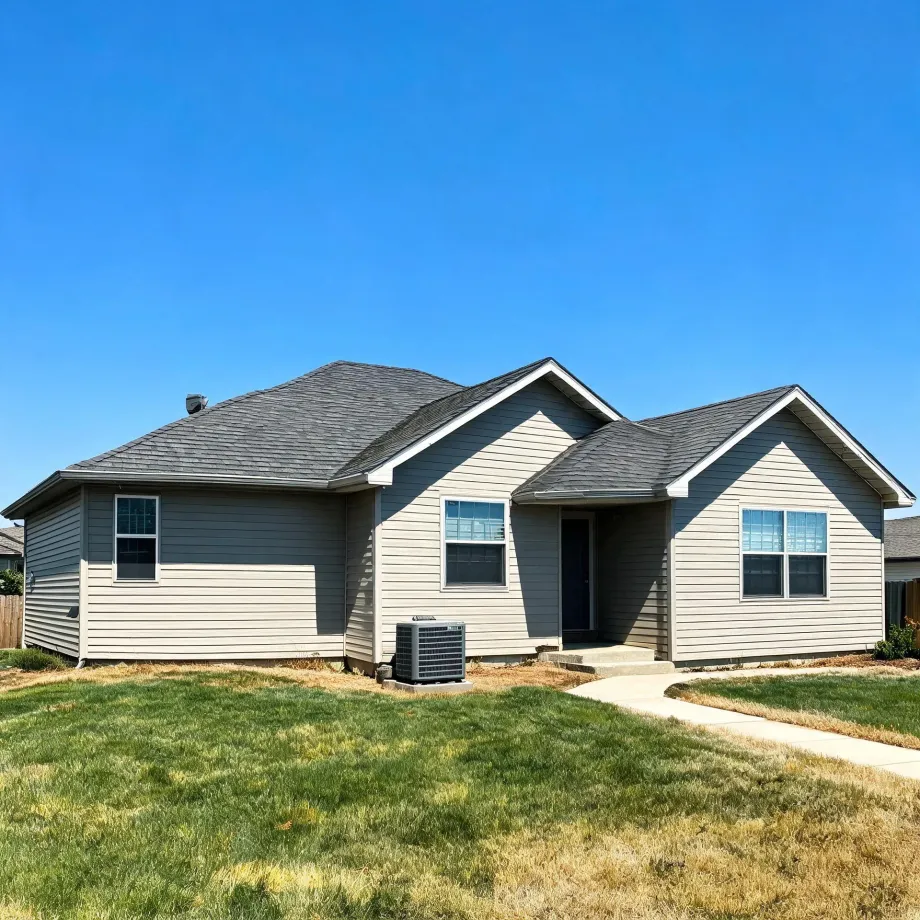
A mini-split in this county puts almost all of its annual wear into a short, hard window. Homes in Schuyler County, MO run cooling about three months a year, from June through August. The compressor starts and stops repeatedly through those weeks, and the contactor takes the load of every one of those cycles. When a unit fails, the contractor checks the contactor and the starting capacitor first, because that is where the season's work actually shows up. Refrigerant charge and coil condition follow.
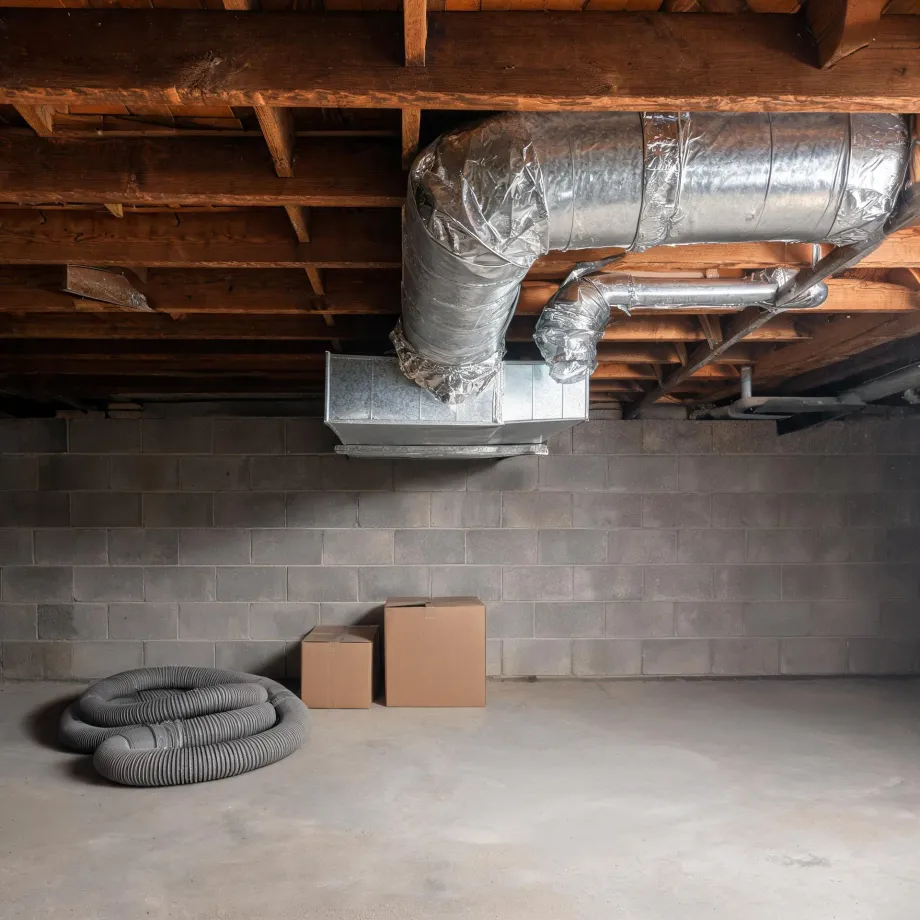
Older electrical feeds and refrigerant lines retrofitted into houses that were never designed for them are what a contractor opens up to here more often than not. Half the homes in Schuyler County, Missouri were built in 1964 or earlier (2020-2024 ACS 5-year). A mini-split sitting in a house that age was almost certainly added to infrastructure that predates it, and what that retrofit looks like behind the wall or in the panel is not predictable from the outside. When a repair call turns into an investigation of how the original installation was run, the scope of the job shifts accordingly.
The Parts of a Mini-split a Contractor Checks During Repair
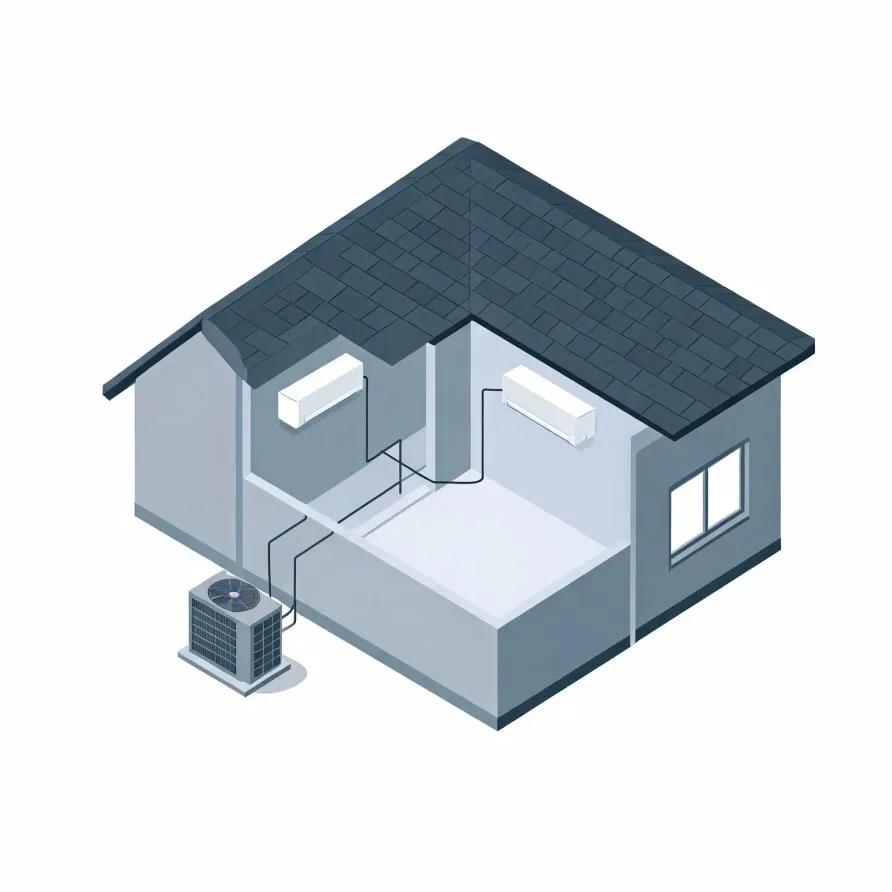
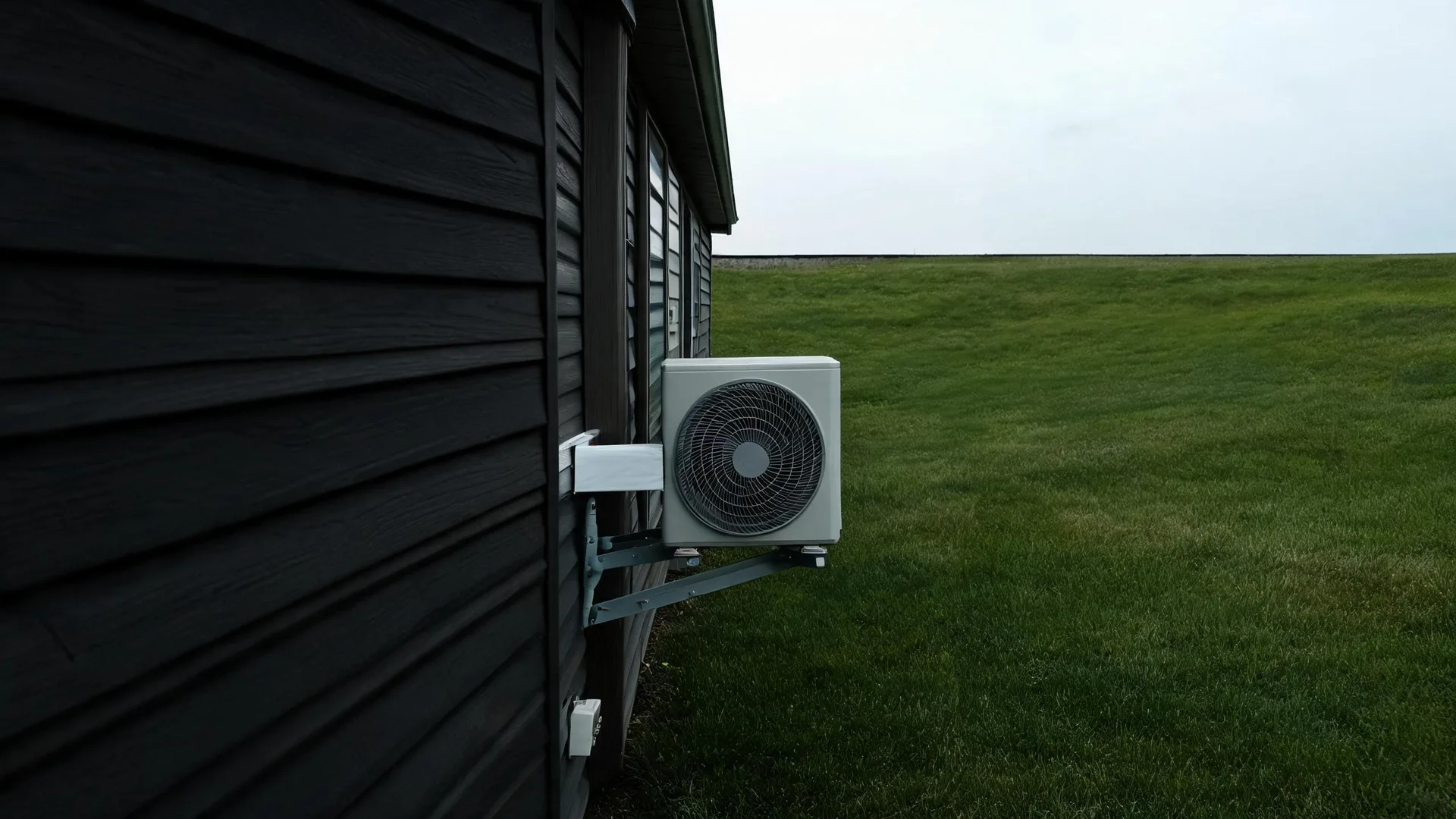
The indoor air handler mounts high on a wall inside the room and is where most problems show up first: a frozen coil, a clogged drain line, or a fan motor that has stopped turning. The outdoor compressor unit, which sits on a pad or bracket outside the house, is the other major suspect, since it takes the most mechanical stress.
A refrigerant line set runs between the two units through a small opening in the wall, and a contractor checks it for leaks or damage at both ends. Each unit also has its own circuit board and set of sensors, and either can be the source of error codes, erratic behavior, or a unit that simply will not respond.
The drawing shows a typical mini-split layout, and a licensed contractor determines which parts apply to your specific setup.
Get matched in Schuyler CountySchuyler County, by the numbers
30 severe weather events were recorded in Schuyler County, Missouri between 2015 and 2024.
NOAA National Centers for Environmental Information, Storm Events Database, bulk CSV export, events 2015-01-01 through 2024-12-31.Half the homes in Schuyler County, Missouri were built in 1964 or earlier (2020-2024 ACS 5-year).
U.S. Census Bureau, 2020-2024 American Community Survey 5-Year EstimatesSchuyler County, Missouri holds 1,899 housing units (2020-2024 ACS 5-year).
U.S. Census Bureau, 2020-2024 American Community Survey 5-Year EstimatesOwners occupy 79.9% of the occupied homes in Schuyler County, Missouri (2020-2024 ACS 5-year).
U.S. Census Bureau, 2020-2024 American Community Survey 5-Year EstimatesSevere Weather Events in Schuyler County
Extreme weather puts real stress on mini-split systems, and that stress adds up over years of heat, cold, and sudden swings. Repair needs in Schuyler County are shaped by local conditions, which is why the weather record here matters when sizing up what a system has been through.
30 severe weather events, 2015–2024. Source: NOAA National Centers for Environmental Information, Storm Events Database.