Tell us about the job
Takes about a minute. No obligation.
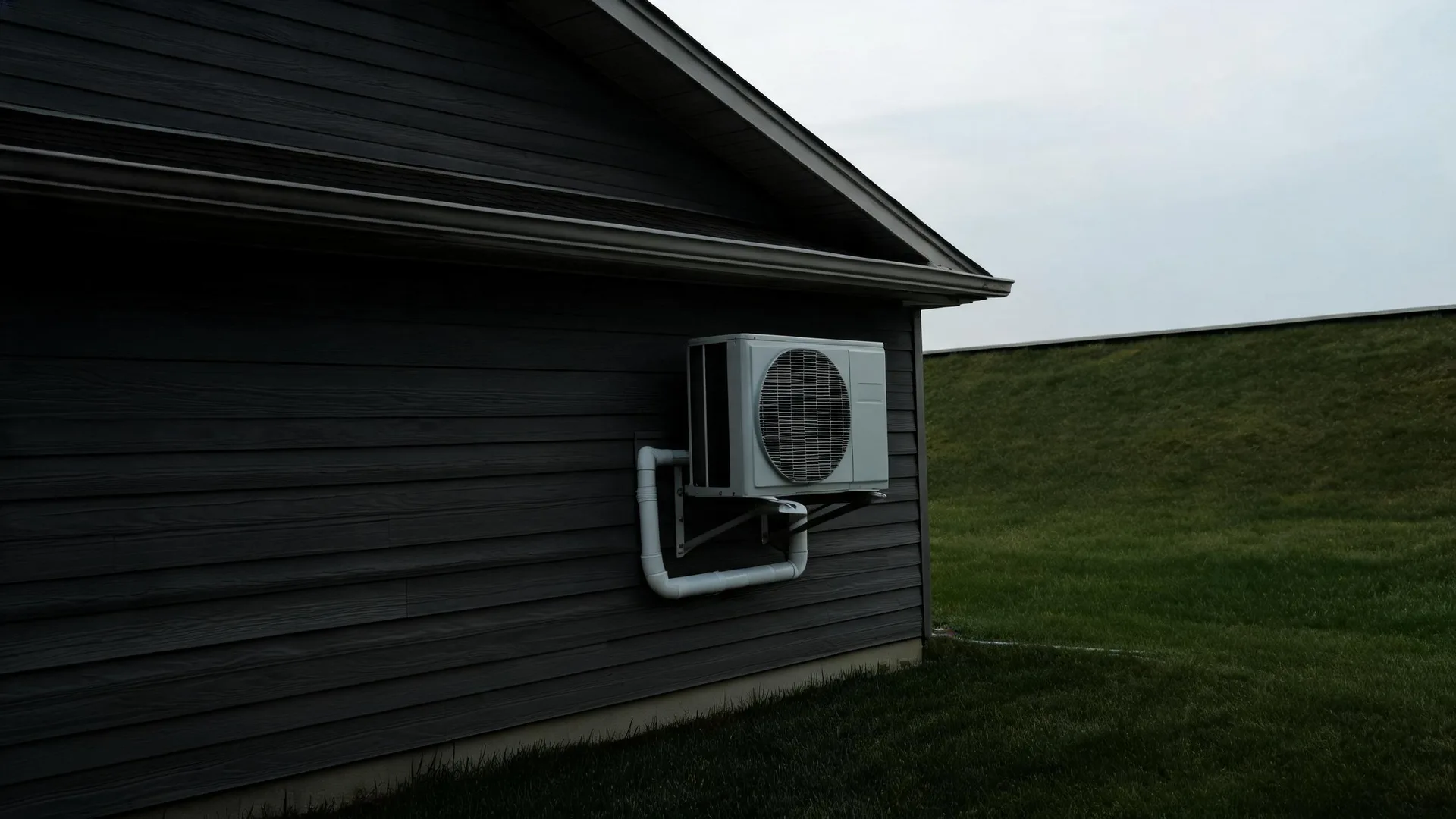
A mini-split compressor starts and stops every time the thermostat calls for cooling, and by the end of a full run of summers the contactor, the capacitor, and the refrigerant lines have absorbed a lot of that switching load. Homes in Bates County, MO run cooling about four months a year, from June through September. A contractor diagnosing a failed unit here checks the contactor for pitting and the capacitor for swelling before anything else, because those parts fail from cycling, not from accident. If the refrigerant charge is low, the cause is usually a micro-leak that opened under sustained pressure rather than a single event. That history in the components tells the contractor which repair is real and which one can wait.
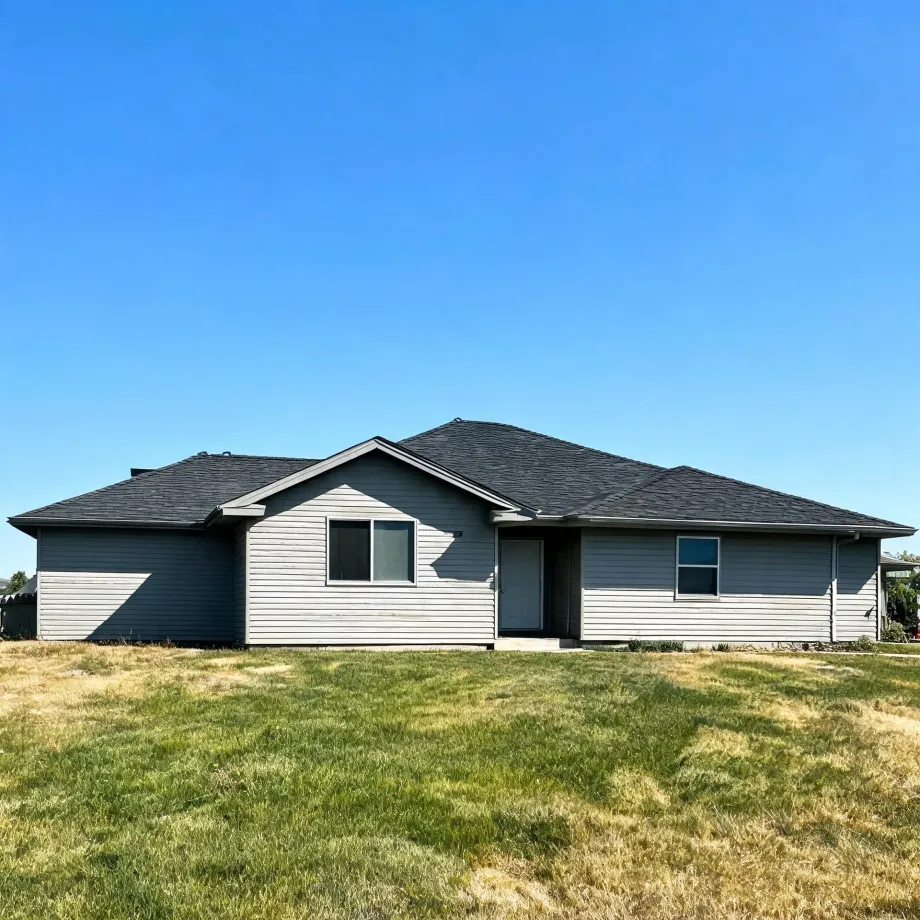
Older wiring paths and refrigerant line runs in this county's housing stock were put in around systems that no longer exist in those houses, and what a contractor finds once a mini-split is opened frequently traces back to that original infrastructure. Half the homes in Bates County, Missouri were built in 1976 or earlier (2020-2024 ACS 5-year). A refrigerant leak or a tripped breaker on a unit here can lead a contractor to a line set routed through an exterior wall in a way that accelerates wear, or to a circuit that was sized for a predecessor unit and has been running at its edge ever since. The repair on the unit itself may be straightforward; the condition of what feeds it decides how the job actually closes.
The Parts of a Mini-Split a Contractor Checks During Repair
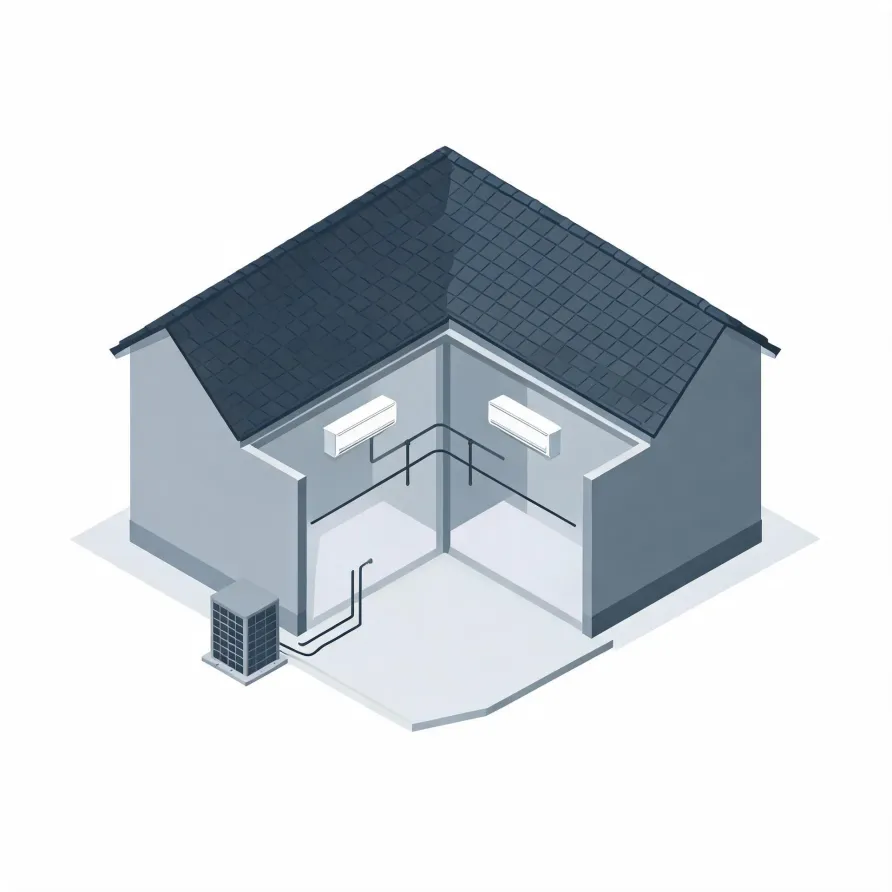
The indoor air handler mounts high on an interior wall and is the piece most homeowners notice first. It holds the evaporator coil, a blower fan, and the filters that sit just behind the front panel. When the system is cooling poorly, making noise, or leaking water, this unit is where a contractor starts.
The outdoor condenser unit sits on a pad or wall bracket outside the house and holds the compressor and the condenser coil. A refrigerant line set and a power and communication cable run through the wall to connect the two units. The condenser is the other main suspect when the system loses capacity or stops responding altogether.
The drawing shows a typical layout, and a licensed contractor will determine which components apply to your specific setup.
Get matched in Bates CountyBates County, by the numbers
90 severe weather events were recorded in Bates County, Missouri between 2015 and 2024.
NOAA National Centers for Environmental Information, Storm Events Database, bulk CSV export, events 2015-01-01 through 2024-12-31.Half the homes in Bates County, Missouri were built in 1976 or earlier (2020-2024 ACS 5-year).
U.S. Census Bureau, 2020-2024 American Community Survey 5-Year EstimatesBates County, Missouri holds 7,192 housing units (2020-2024 ACS 5-year).
U.S. Census Bureau, 2020-2024 American Community Survey 5-Year EstimatesOwners occupy 74.9% of the occupied homes in Bates County, Missouri (2020-2024 ACS 5-year).
U.S. Census Bureau, 2020-2024 American Community Survey 5-Year EstimatesSevere Weather Events in Bates County
Heating and cooling equipment works harder when the climate pushes it, and weather that stresses a building stresses the system inside it. How often that happens here shapes how much repair work the equipment in Bates County actually faces.
90 severe weather events, 2015–2024. Source: NOAA National Centers for Environmental Information, Storm Events Database.