Tell us about the job
Takes about a minute. No obligation.
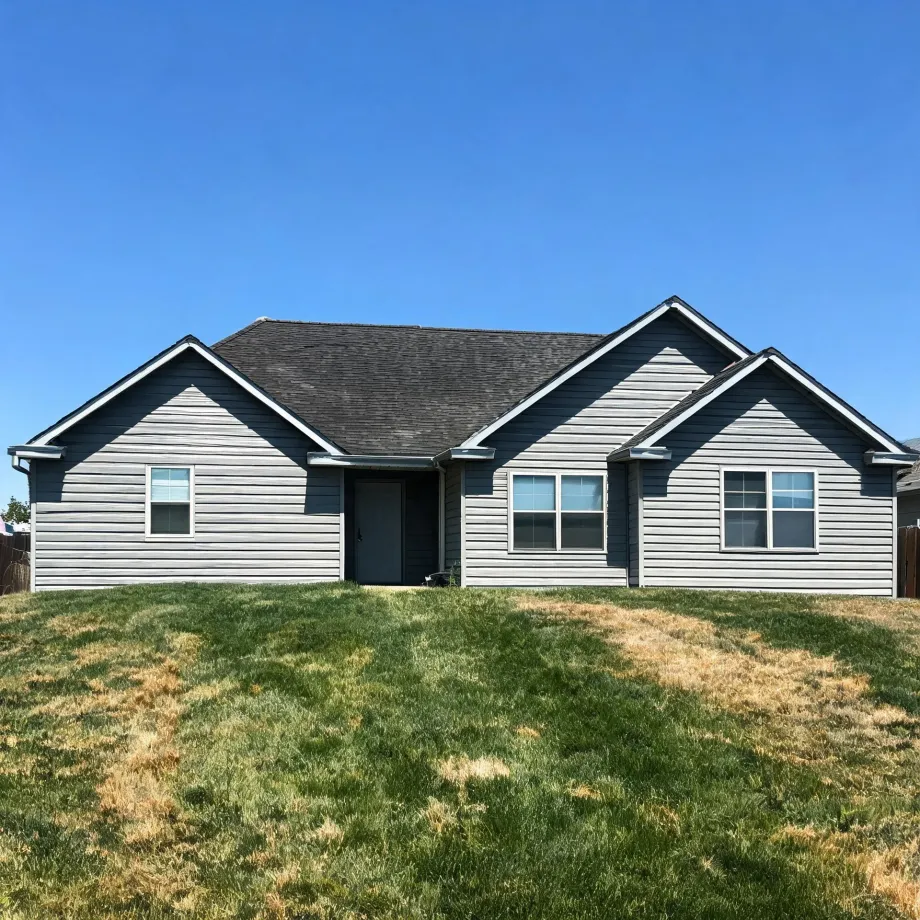
A mini-split compressor in this area starts and stops through every summer, and those cycles add up in the contactor, the capacitor, and the refrigerant fittings long before anything looks wrong from the outside. Homes in Warren County, MO run cooling about four months a year, from June through September. By the time a unit fails in July or August, the compressor has already run through many seasons of that same demand. A contractor diagnosing the fault will check the contactor for pitting and the capacitor for swelling before assuming a refrigerant leak or a board failure, because those are the parts that carry the cycling load.
Houses built around that period in Warren County were wired to handle equipment with demands close to what a mini-split puts on a circuit today. That means when a contractor opens the unit and traces the fault, the wiring in the wall is rarely what the repair turns on. Half the homes in Warren County, Missouri were built in 1998 or earlier (2020-2024 ACS 5-year). The work comes down to what is inside the unit itself: the board, the coil, the refrigerant charge, or the parts a system of that vintage still has available. A contractor diagnosing here starts with the equipment and usually stays there.
The Parts of a Mini-split a Contractor Checks During Repair
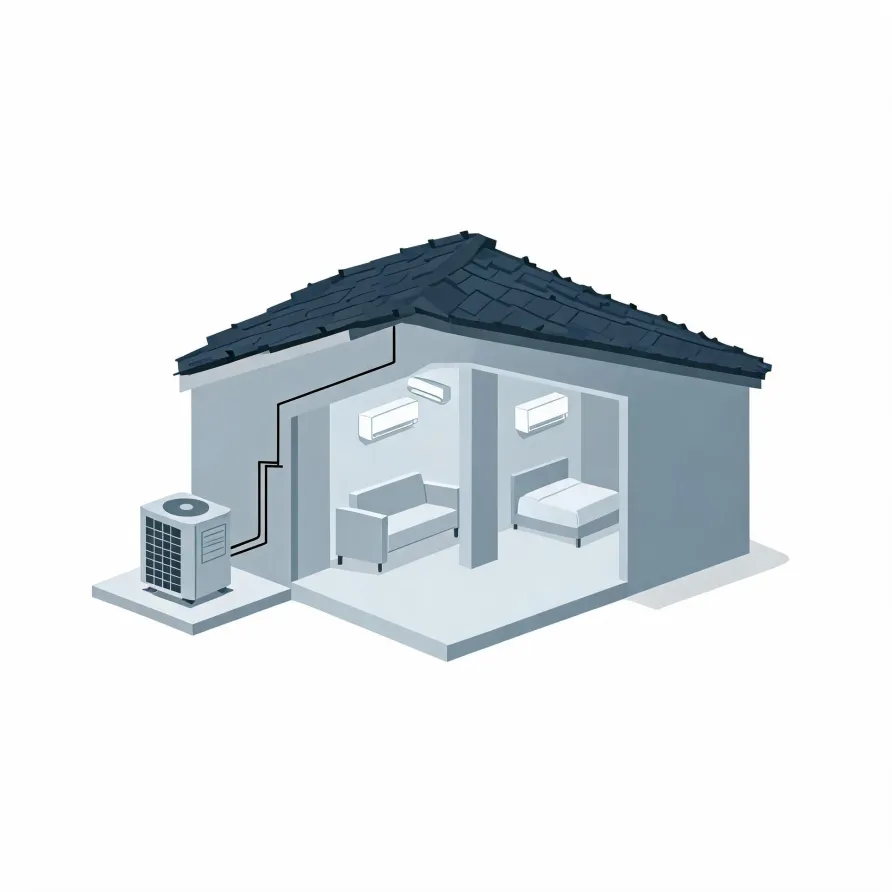
The indoor air handler is the piece most homeowners notice first, mounted high on a wall inside the room. It holds the evaporator coil, a blower wheel, and the drain line that carries condensate away. When airflow drops, the room stops reaching temperature, or water appears beneath the unit, a contractor starts here.
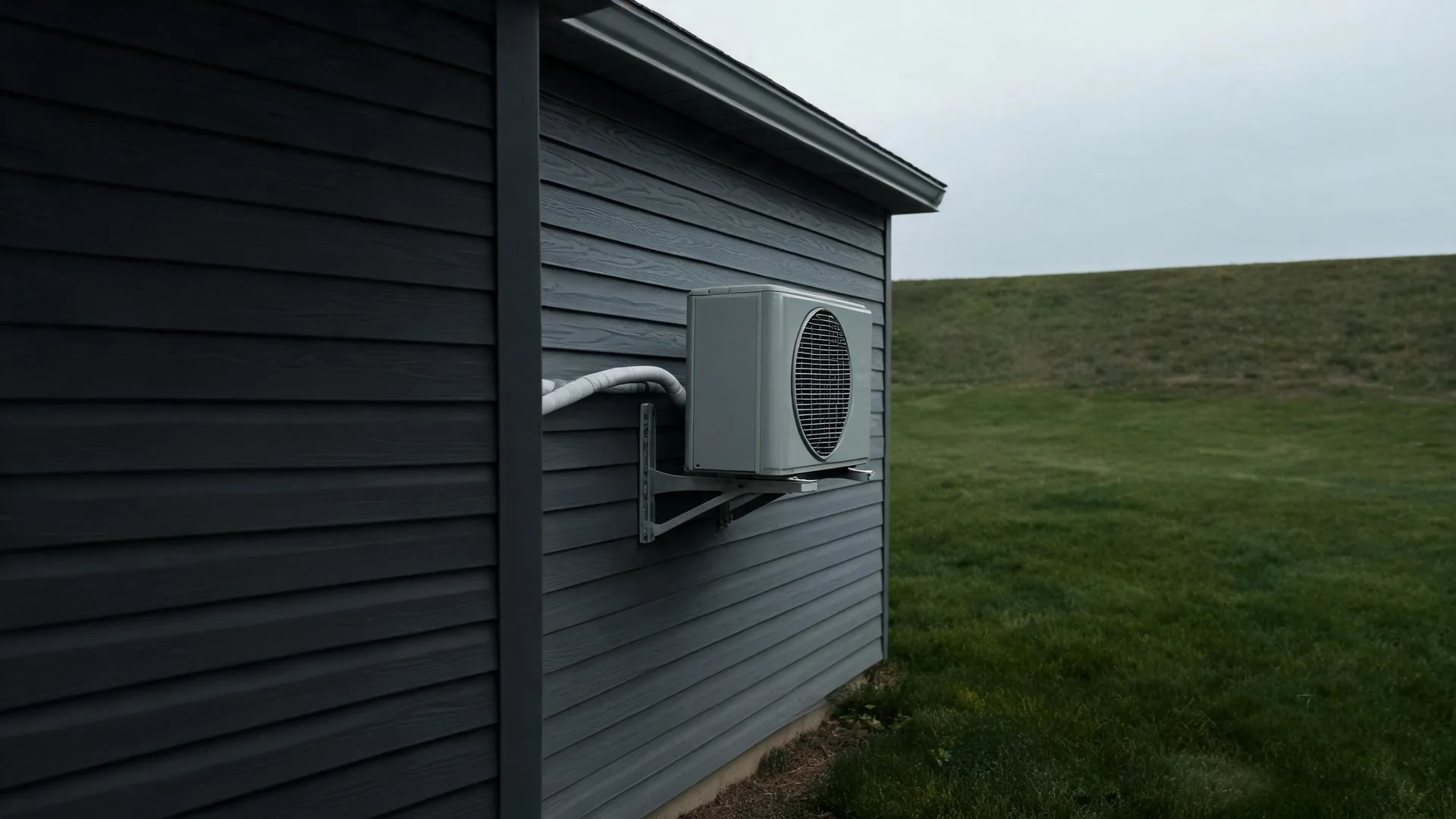
Outside the house sits the condenser unit, which holds the compressor and the outdoor coil. Running between the two is the refrigerant line set, a pair of insulated copper lines that pass through a small opening in the wall, along with the condensate drain and the control wiring. Faults in the compressor, a refrigerant leak along the line set, or a wiring failure at either end all show up as symptoms inside.
The drawing shows the general layout of a mini-split system, and a licensed contractor determines which components and connections apply to your specific installation.
Get matched in Warren CountyWarren County by the numbers
57 severe weather events were recorded in Warren County, Missouri between 2015 and 2024.
NOAA National Centers for Environmental Information, Storm Events Database, bulk CSV export, events 2015-01-01 through 2024-12-31.Half the homes in Warren County, Missouri were built in 1998 or earlier (2020-2024 ACS 5-year).
U.S. Census Bureau, 2020-2024 American Community Survey 5-Year EstimatesWarren County, Missouri holds 16,161 housing units (2020-2024 ACS 5-year).
U.S. Census Bureau, 2020-2024 American Community Survey 5-Year EstimatesOwners occupy 80.2% of the occupied homes in Warren County, Missouri (2020-2024 ACS 5-year).
U.S. Census Bureau, 2020-2024 American Community Survey 5-Year EstimatesSevere Weather Events in Warren County
Weather in Warren County puts real stress on heating and cooling equipment, and that stress shows up as repair calls. How often conditions push a mini-split to its limits is a local fact, not a general one.
57 severe weather events, 2015–2024. Source: NOAA National Centers for Environmental Information, Storm Events Database.