Tell us about the job
Takes about a minute. No obligation.
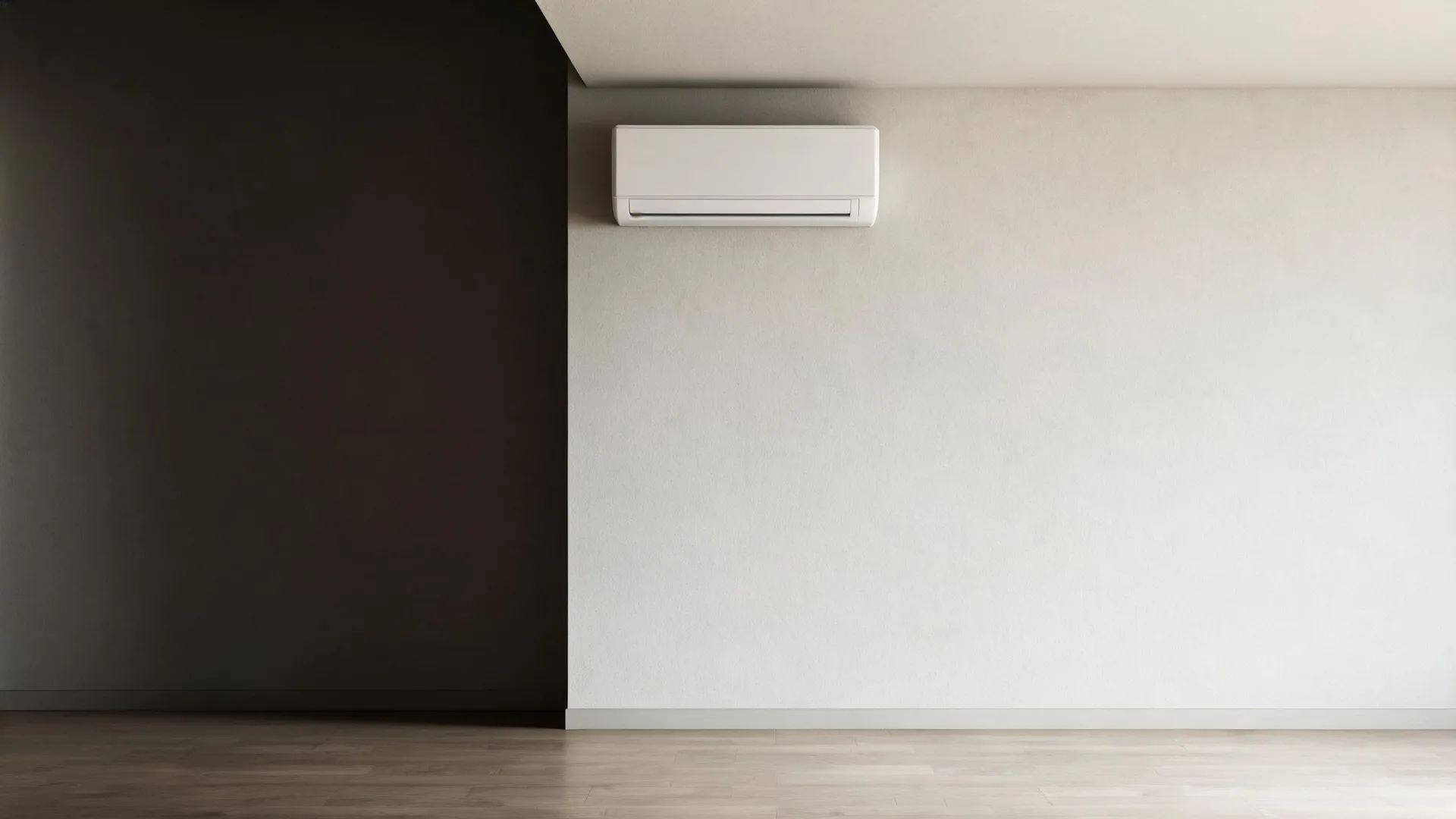
The compressor in a mini-split cycles hard through every cooling day, building heat stress on the contactor, the capacitor, and the refrigerant circuit each time it starts and stops. Homes in Camden County, MO run cooling about four months a year, from June through September. By late September, those components have absorbed a full season of starts, and the parts that fail first under that pattern are the ones a contractor checks before anything else. A worn contactor or a capacitor that tests low explains most of what homeowners report as weak cooling or a unit that won't start, and neither shows up on the outside of the unit.
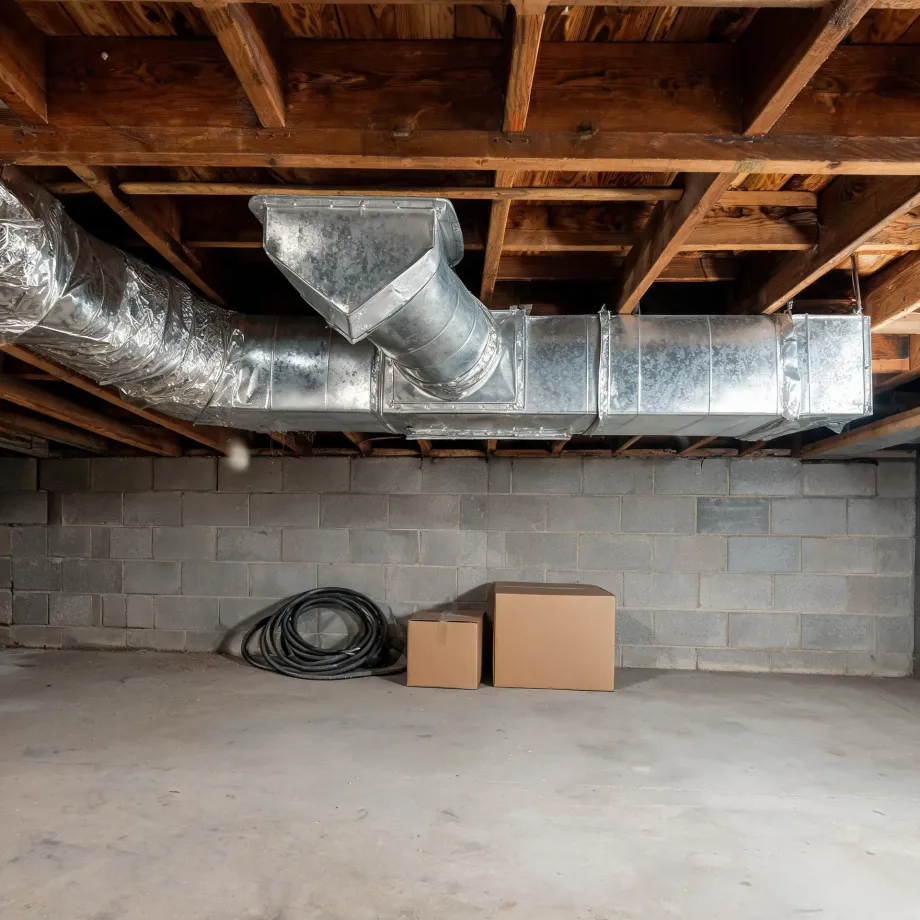
The mini-split running in a Camden County house is likely a retrofit into a structure built around something else. Refrigerant line sets, electrical runs, and mounting points were added after the fact, and what a contractor finds once the unit comes apart reflects that history. Half the homes in Camden County, Missouri were built in 1988 or earlier (2020-2024 ACS 5-year). A compressor that has been drawing power through undersized or improvised wiring ages differently than one installed clean, and that shows up in the repair scope.
The Parts of a Mini-split a Contractor Checks During Repair
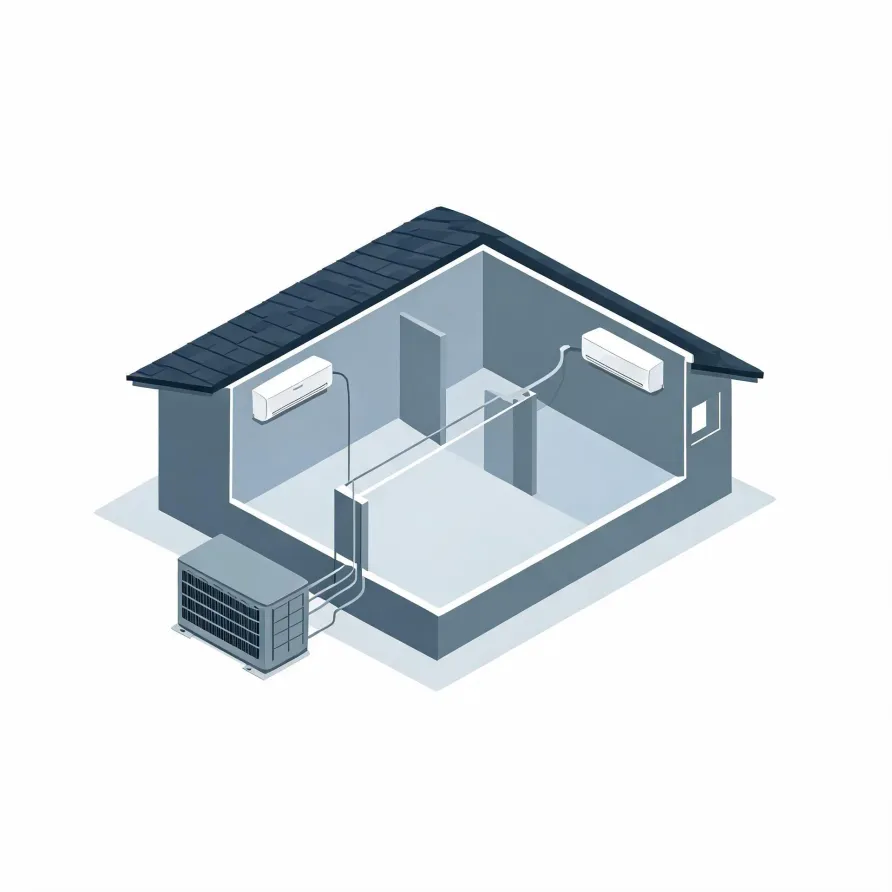
The indoor air handler mounts high on an interior wall and is where most homeowners notice a problem first: weak airflow, odd smells, or ice on the unit. Inside it sit the evaporator coil, the blower fan, and the drain line. Each one is a place a contractor looks when the system stops doing its job.
The outdoor condenser unit sits on a pad or bracket outside the house and holds the compressor and condenser coil. A refrigerant line set and a control wire run between the two units through a small opening in the wall, and a fault anywhere along that path shows up as a symptom somewhere else.
The drawing shows the general layout of a mini-split system, and a licensed contractor determines which parts apply to your specific installation.
Get matched in Camden CountyCamden County by the numbers
142 severe weather events were recorded in Camden County, Missouri between 2015 and 2024.
NOAA National Centers for Environmental Information, Storm Events Database, bulk CSV export, events 2015-01-01 through 2024-12-31.Half the homes in Camden County, Missouri were built in 1988 or earlier (2020-2024 ACS 5-year).
U.S. Census Bureau, 2020-2024 American Community Survey 5-Year EstimatesCamden County, Missouri holds 40,072 housing units (2020-2024 ACS 5-year).
U.S. Census Bureau, 2020-2024 American Community Survey 5-Year EstimatesOwners occupy 82.5% of the occupied homes in Camden County, Missouri (2020-2024 ACS 5-year).
U.S. Census Bureau, 2020-2024 American Community Survey 5-Year EstimatesSevere Weather Events in Camden County
Hard weather puts real hours on heating and cooling equipment. A mini-split running through the conditions Camden County sees is one that needs a contractor who knows what that kind of stress does over time.
142 severe weather events, 2015–2024. Source: NOAA National Centers for Environmental Information, Storm Events Database.