Air coming out cold and steady
The vents stay clean and the airflow reaches across the room. Set it to 72 and the room gets there and holds, even when it's 95 outside. That's a filter that gets washed on a schedule and a coil that's been looked at.
 Skip the calls
Fill out one short form instead of calling around.
A mini split that won't cool in a Washington, Missouri summer is more than an inconvenience. These stretches get hot and humid, and a unit that's running but not pulling the room down usually has a real cause: a dirty filter choking airflow, a dirty outdoor coil that can't shed heat, a refrigerant leak, or a failing component in the outdoor unit. Sometimes the indoor head is icing over and blowing warm air once the ice builds up. None of that sorts itself out by waiting.
Finding someone to look at it is its own chore. You could spend an afternoon searching for mini split repair companies, calling a few, explaining the brand, the model, and what the unit is doing to each one, then waiting on quotes to come back so you can compare them against each other. That's time you lose before anyone even looks at the system.
This page skips that part. One request connects you to a local contractor who works on mini splits in and around Franklin County, the kind of equipment that's common in additions, garages, and homes without ductwork. Someone who services these units through the season knows the usual culprits, whether that's a coil that needs cleaning or a charge that's dropped low, and won't need the history explained twice.
You're not handed a list of companies to sort through on your own. It goes to one contractor, licensed and local, so you're not fielding calls from five different outfits trying to win the job. The fix itself still takes what it takes. But the search for who's going to do it ends here.
A mini split that runs all day without cooling the room is a common complaint once Franklin County's summer humidity sets in. You turn it on, you feel air moving, but the room never drops to where you set it. Before you assume the unit is dying, it helps to know what actually causes this, because most of the time the fix is narrower than people expect.
A clogged filter is the most common cause, since it chokes the airflow the indoor unit needs to pull heat out of the room. Next is the outdoor unit: if leaves, grass clippings, or mulch are packed against the coil, it can't release the heat it's collecting, and the whole system struggles. In Franklin County, the long muggy stretch from June through September means mini splits run for hours at a time, which makes any one of these problems show up fast as warm air instead of cold. A refrigerant leak is less common but more serious, and it won't fix itself with cleaning. Short cycling, ice on the indoor coil, or a unit that runs constantly without the room cooling down all point toward needing someone to look at it directly.
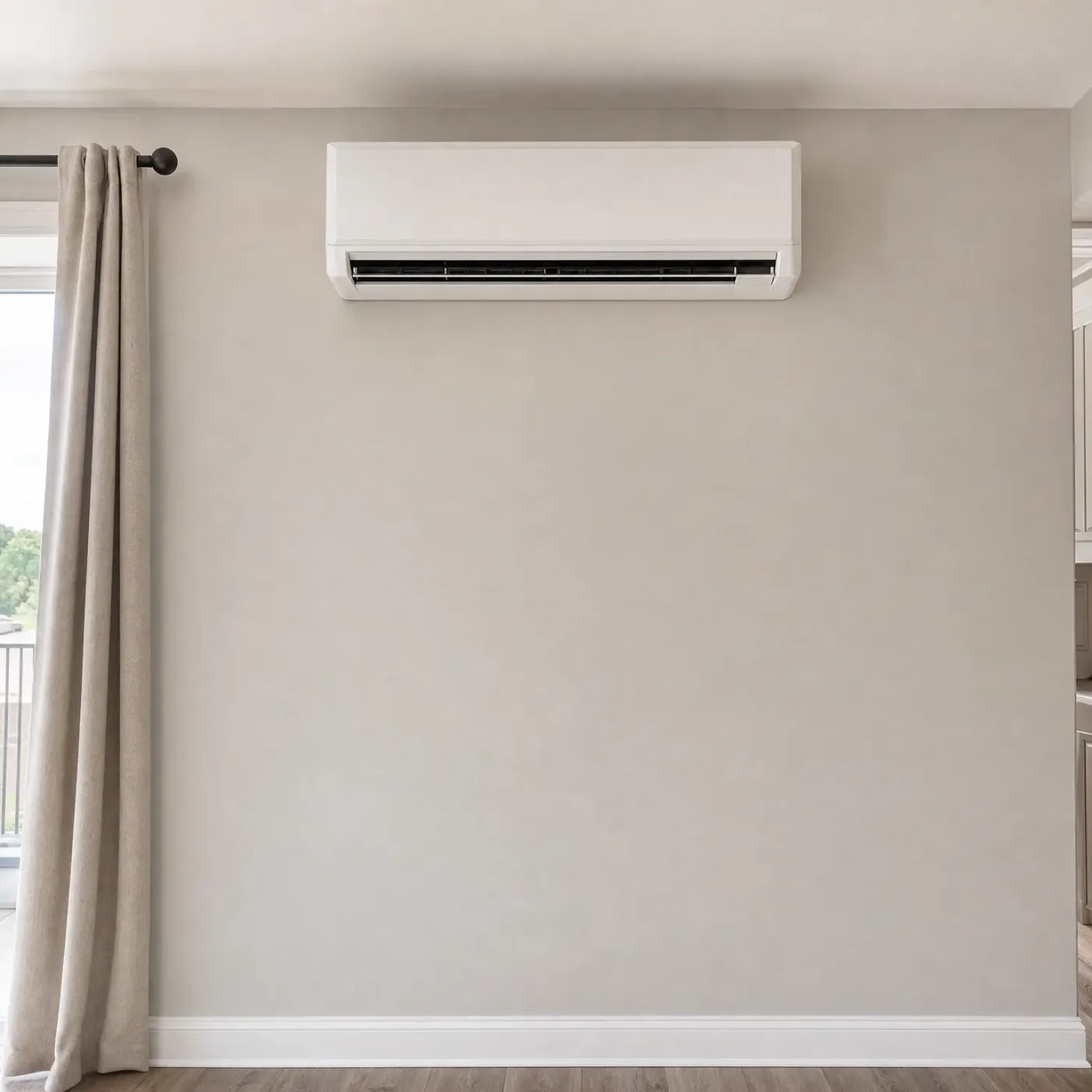
The vents stay clean and the airflow reaches across the room. Set it to 72 and the room gets there and holds, even when it's 95 outside. That's a filter that gets washed on a schedule and a coil that's been looked at.
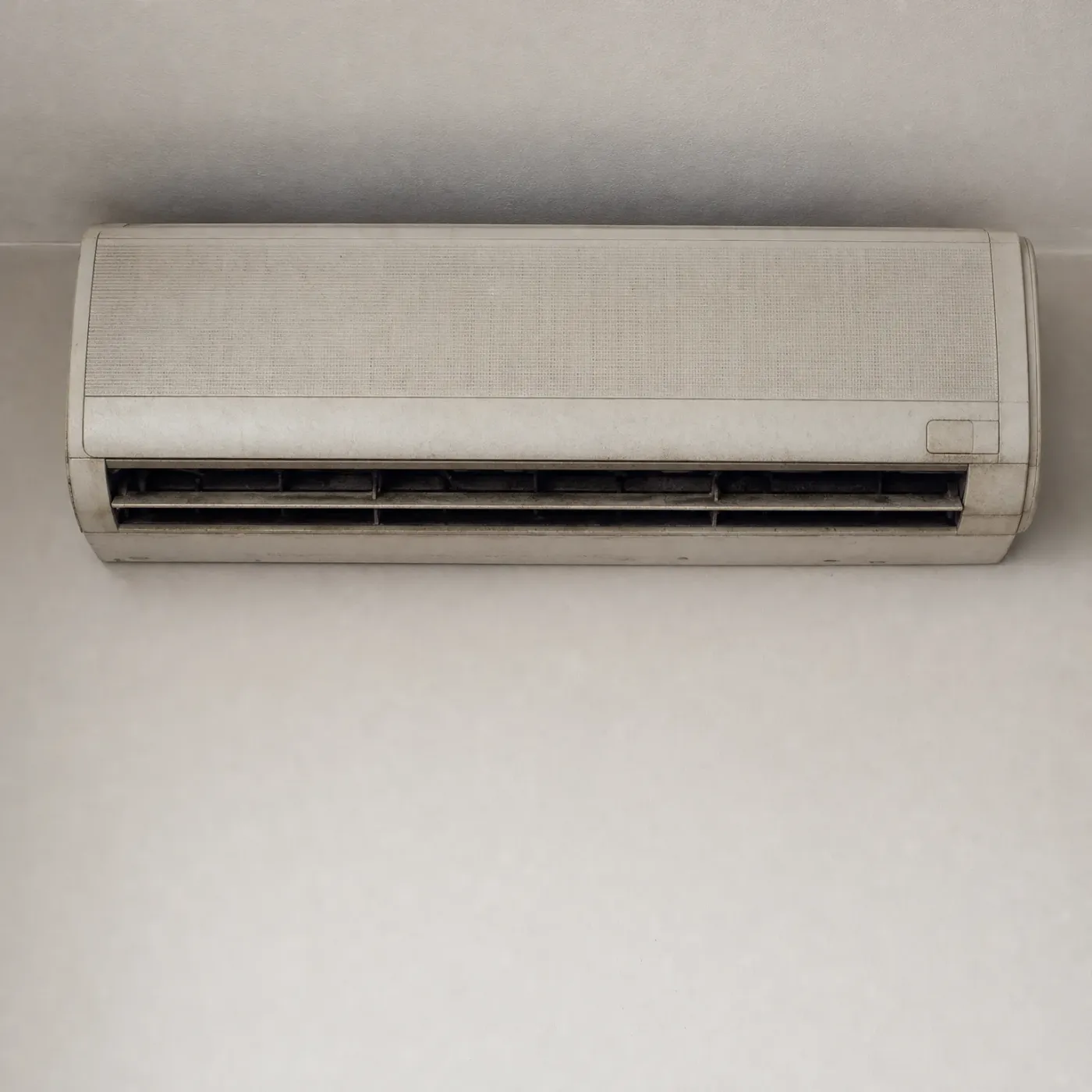
The outlet vents are streaked dark and the housing has a film of dust on it. Air is still coming out, but it's warmer than it should be and the room never quite catches up. That buildup on the coil behind those vents is often why.




A mini split that keeps running without cooling isn't something to leave until next weekend, especially once Franklin County's humidity sets in for weeks at a time. Figuring out whether it's a dirty coil, a refrigerant leak, or a failing sensor isn't something you can tell from across the room, and most homeowners don't want to spend an afternoon calling around Washington for someone who works on this brand, then waiting on callbacks to compare what each one says. Submitting this sends your situation to one local contractor who works on mini splits all summer in this area and has a good sense of what tends to fail first in this heat. No explaining the problem five separate times, no stack of quotes to sort through on your own. You still have a room that isn't cooling and a system that needs a hand on it. This is the part that gets you there without the extra legwork.
A mini split loses cooling capacity fast once its coil is caked with dust or its refrigerant has leaked down, because both cut into how much heat it can actually move out of the room.
That's why two systems the same age and size can perform completely differently in the same Franklin County summer. One's been serviced on schedule, the other hasn't, and the difference shows up at 95 degrees, not at 75.
Cooling runs May through September
Cooling runs May through September. That's five months of asking a struggling mini split to keep up, not a stretch where a small problem can wait.
Heat runs October through April
Heat runs October through April. Most mini splits here handle both jobs, so a unit that can't cool right now is worth watching once it has to heat too.
Power here costs 12.85 cents per kilowatt-hour
Power here runs 12.85 cents per kilowatt-hour. A mini split that's lost its charge or is clogged works harder for the same cooling, and that shows up on the bill before it shows up as a repair.
NOAA nClimDiv 1991-2020 · EIA-861 2025
A mini split that won't cool usually comes down to a dirty coil, a low refrigerant charge, or a sensor telling it the room is cooler than it is. All three show up the same way to you: air moving, no cooling. Sorting out which one it is takes someone who opens the unit and checks, not someone guessing over the phone. A contractor who services mini splits around Franklin County every summer has likely already seen the exact failure sitting in your indoor unit, because the same handful of problems account for most of these calls once the humidity sets in. You deal with one licensed contractor local to Washington, not a string of callbacks from different companies bidding on the job. That means one visit, one explanation of the problem, and someone who already knows what tends to go wrong on this equipment in this part of Missouri. Your mini split should bring the room down to the temperature you set and hold it there through a 95 degree afternoon. If it isn't doing that, something specific is wrong, and it's fixable.
Only one pro gets your request, so you hear from one company.