Tell us about the job
Takes about a minute. No obligation.
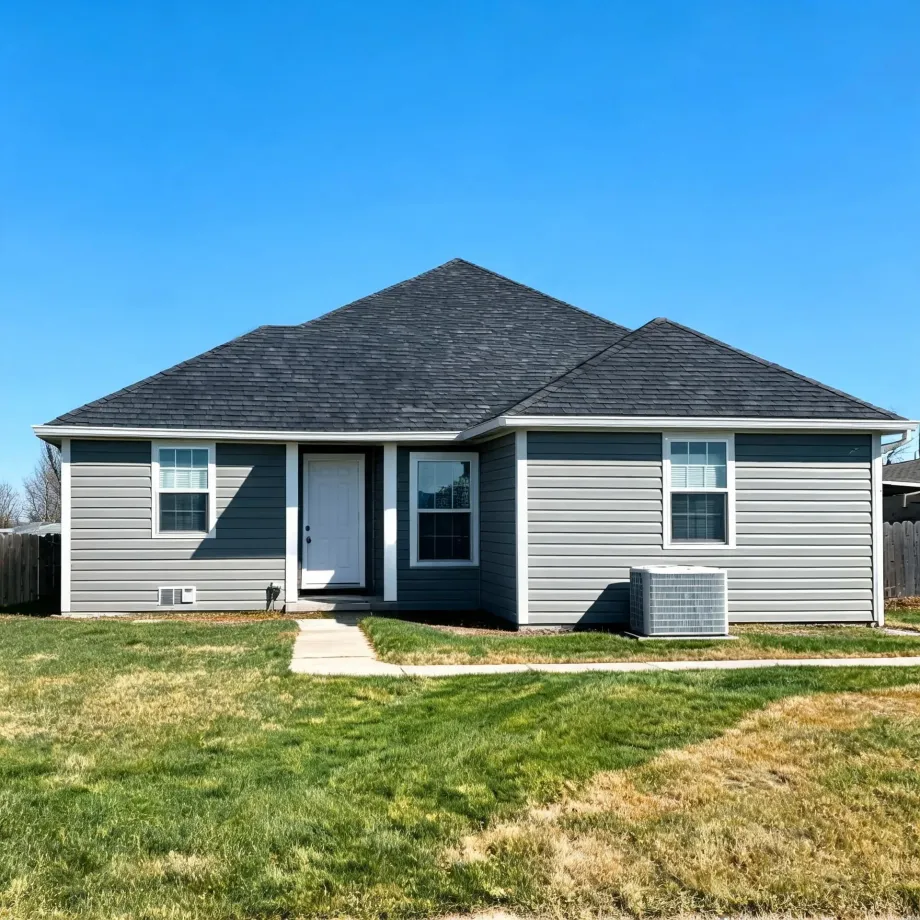
Sizing a mini-split here starts with what the compressor is actually being asked to do each year. Homes in Ste. Genevieve County, MO run cooling about four months a year, from June through September. That load falls entirely on the compressor, the condenser fan, and the contactor, cycling through heat that needs to be pushed outside. A contractor who does a real Manual J for this house will set refrigerant line lengths and BTU output around that specific cooling demand. One who does not will leave a unit that short-cycles or labors in August, and either failure shows up in higher electric bills before it shows up in a service call.
Older electrical panels are often the first obstacle a contractor hits when quoting a mini-split install here. Half the homes in Ste. Genevieve County, Missouri were built in 1981 or earlier (2020-2024 ACS 5-year). Service panels in houses of that generation were sized for smaller loads, and a mini-split's draw can exceed what the existing panel was built to handle. A contractor who does not open the breaker box before writing a quote is leaving a material cost off the estimate.
The Parts of a Mini-split System and What Gets Installed
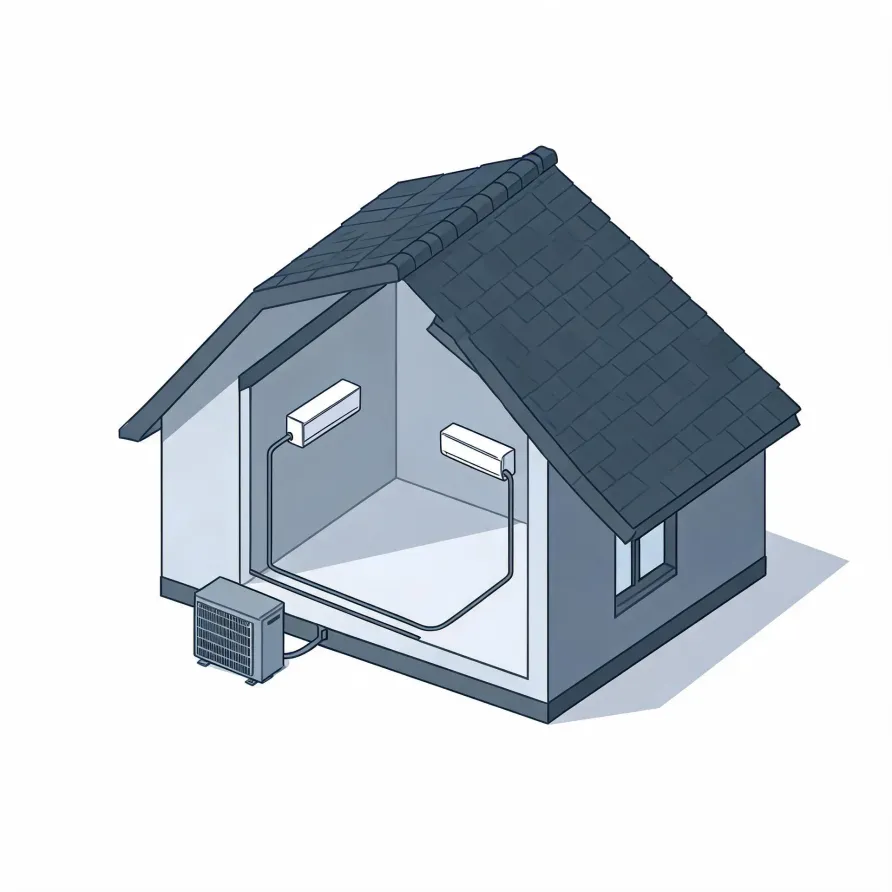
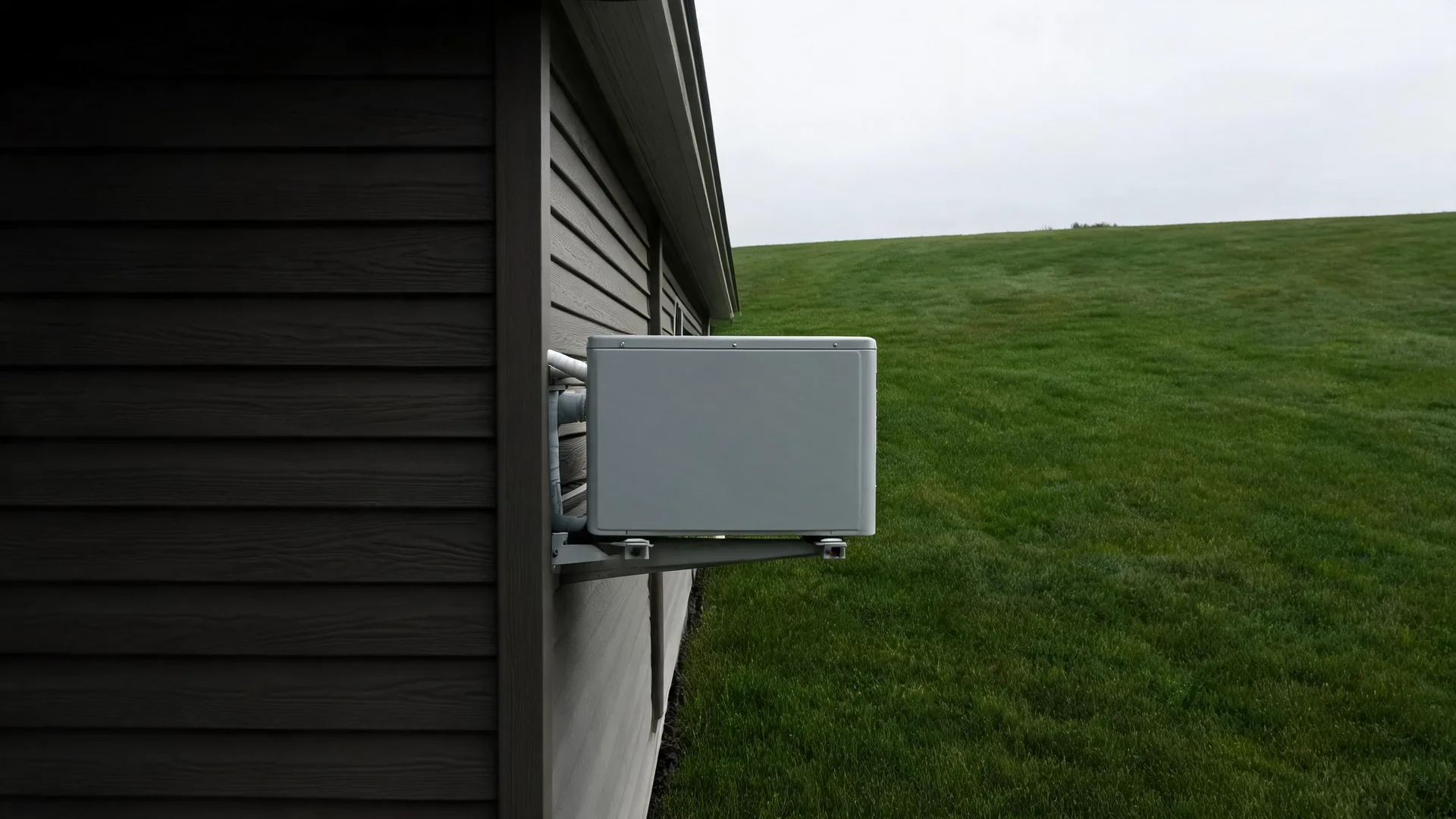
The indoor air handler mounts high on a wall inside the room being conditioned. It is the piece a homeowner sees every day, and it is where conditioned air enters the space. The outdoor condenser unit sits outside the house, typically on the ground or on a bracket, and houses the compressor and the components that shed or draw heat.
A refrigerant line set runs between the two units through a small penetration in the wall, carrying refrigerant back and forth. A condensate drain line runs from the indoor unit to move moisture out. A dedicated electrical disconnect is mounted near the outdoor unit to allow safe shutoff.
The drawing shows the standard layout of these components, and a licensed contractor determines exactly how each one is positioned and routed for this house.
Get matched in Ste. Genevieve CountySte. Genevieve County, by the numbers
43 severe weather events were recorded in Ste. Genevieve County, Missouri between 2015 and 2024.
NOAA National Centers for Environmental Information, Storm Events Database, bulk CSV export, events 2015-01-01 through 2024-12-31.Half the homes in Ste. Genevieve County, Missouri were built in 1981 or earlier (2020-2024 ACS 5-year).
U.S. Census Bureau, 2020-2024 American Community Survey 5-Year EstimatesSte. Genevieve County, Missouri holds 8,326 housing units (2020-2024 ACS 5-year).
U.S. Census Bureau, 2020-2024 American Community Survey 5-Year EstimatesOwners occupy 83.0% of the occupied homes in Ste. Genevieve County, Missouri (2020-2024 ACS 5-year).
U.S. Census Bureau, 2020-2024 American Community Survey 5-Year EstimatesSevere Weather Events in Ste. Genevieve County
Ste. Genevieve County's climate puts real demands on heating and cooling equipment, and those demands shape what a mini-split installation here needs to handle. Sizing and equipment choices that make sense in a mild region may fall short under local conditions, which is why weather history belongs in any honest look at HVAC work in this area.
43 severe weather events, 2015–2024. Source: NOAA National Centers for Environmental Information, Storm Events Database.