Tell us about the job
Takes about a minute. No obligation.
Sizing a mini-split in Phelps County starts with what the compressor is actually being asked to carry. Homes in Phelps County, MO run cooling about four months a year, from June through September. Compressed into that window, every start-stop cycle the compressor runs happens in a burst rather than spread across a longer season, which puts the quality of the refrigerant charge, the line set connections, and the bracket mounting under pressure early. A contractor who skips the load calculation and drops in a unit by rule of thumb leaves the compressor running longer per cycle than it should, and short seasons have a way of revealing that in the equipment's second or third summer.
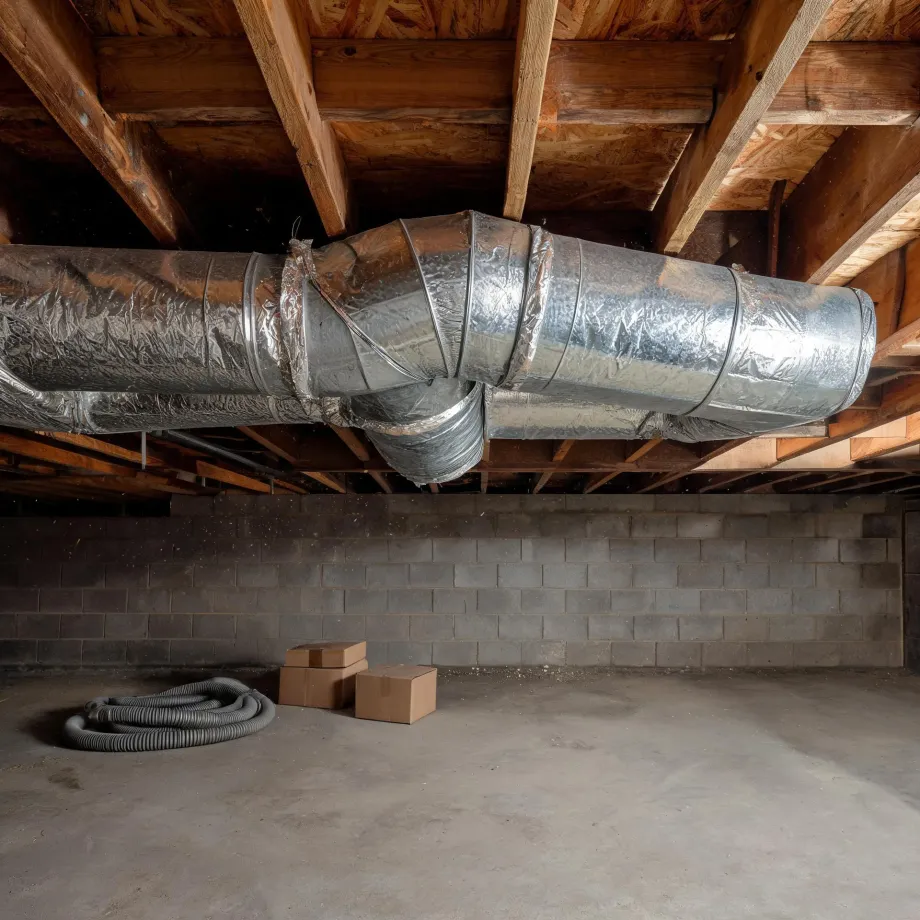
Ductwork is one question a mini-split sidesteps, but the electrical is not. Half the homes in Phelps County, Missouri were built in 1984 or earlier (2020-2024 ACS 5-year). Service panels in houses of that vintage were designed around loads that predate modern heating and cooling equipment, and a contractor installing a mini-split here often finds a panel that needs work before the new system can run. That finding changes the scope of the job in a way the equipment selection alone never does.
The Parts of a Mini-split System and What Gets Installed
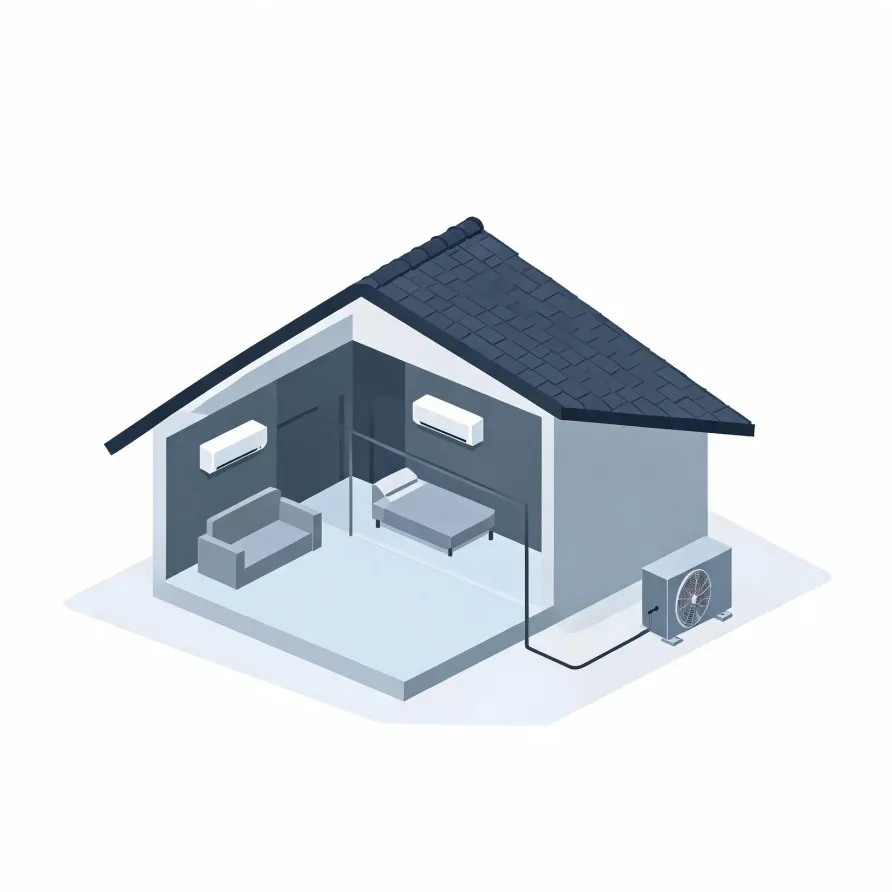
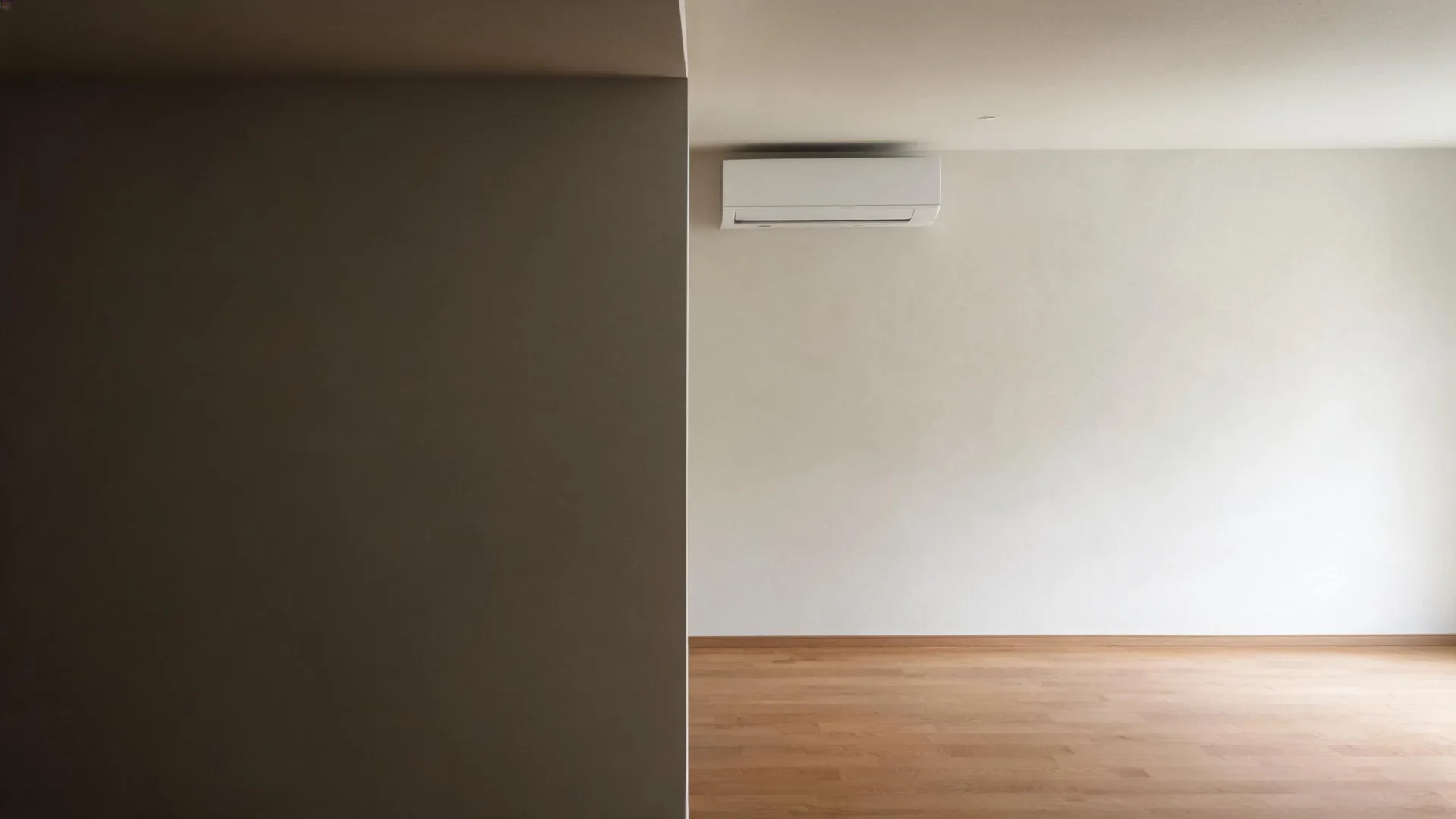
The indoor air handler mounts high on a wall inside the room being conditioned. It is the piece the homeowner sees every day. Outside the house, the outdoor condenser unit sits on a pad or bracket against an exterior wall, housing the compressor and the components that do the heavy mechanical work.
A refrigerant line set runs through a small opening in the wall to connect the two units, carrying the lines that link the indoor and outdoor sides. A condensate drain line runs alongside it, moving moisture away from the indoor unit. A contractor also routes the control wiring that lets the thermostat or remote signal the system.
The drawing shows a typical layout, and a licensed contractor determines exactly how the system is configured for your house.
Get matched in Phelps CountyPhelps County, by the record
130 severe weather events were recorded in Phelps County, Missouri between 2015 and 2024.
NOAA National Centers for Environmental Information, Storm Events Database, bulk CSV export, events 2015-01-01 through 2024-12-31.Half the homes in Phelps County, Missouri were built in 1984 or earlier (2020-2024 ACS 5-year).
U.S. Census Bureau, 2020-2024 American Community Survey 5-Year EstimatesPhelps County, Missouri holds 20,295 housing units (2020-2024 ACS 5-year).
U.S. Census Bureau, 2020-2024 American Community Survey 5-Year EstimatesOwners occupy 61.7% of the occupied homes in Phelps County, Missouri (2020-2024 ACS 5-year).
U.S. Census Bureau, 2020-2024 American Community Survey 5-Year EstimatesSevere Weather Events in Phelps County
Local weather puts real stress on heating and cooling equipment, and the load it places on a mini-split shapes what size and configuration makes sense for a home here. That is why weather history belongs on a page about installation.
130 severe weather events, 2015–2024. Source: NOAA National Centers for Environmental Information, Storm Events Database.