Tell us about the job
Takes about a minute. No obligation.
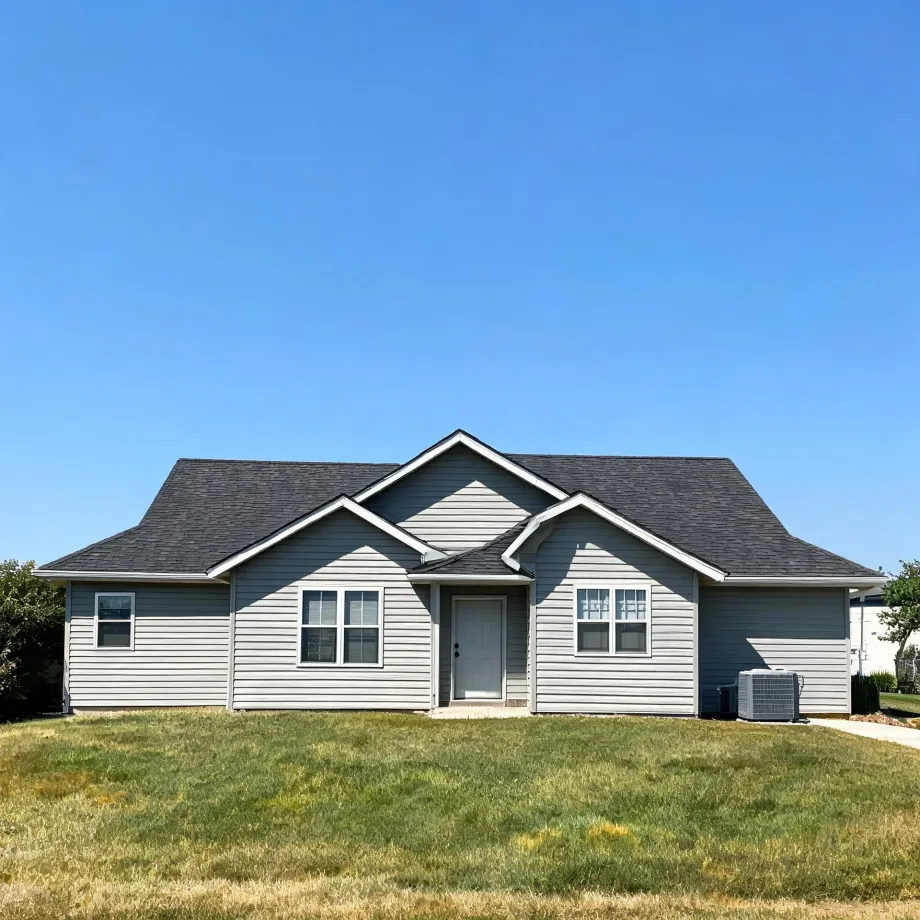
Sizing a mini-split for Iron County starts with what the compressor is actually asked to carry. Homes in Iron County, MO run cooling about three months a year, from June through August. A compressor that starts up after months of inactivity puts stress on the refrigerant circuit and the contactor in ways that steady summer use does not, so a contractor choosing equipment here weighs how the unit handles repeated cold starts as much as how it handles peak load. Sloppy installation tolerances that a busier system might work around show up fast when the equipment runs hard in a concentrated burst each year.
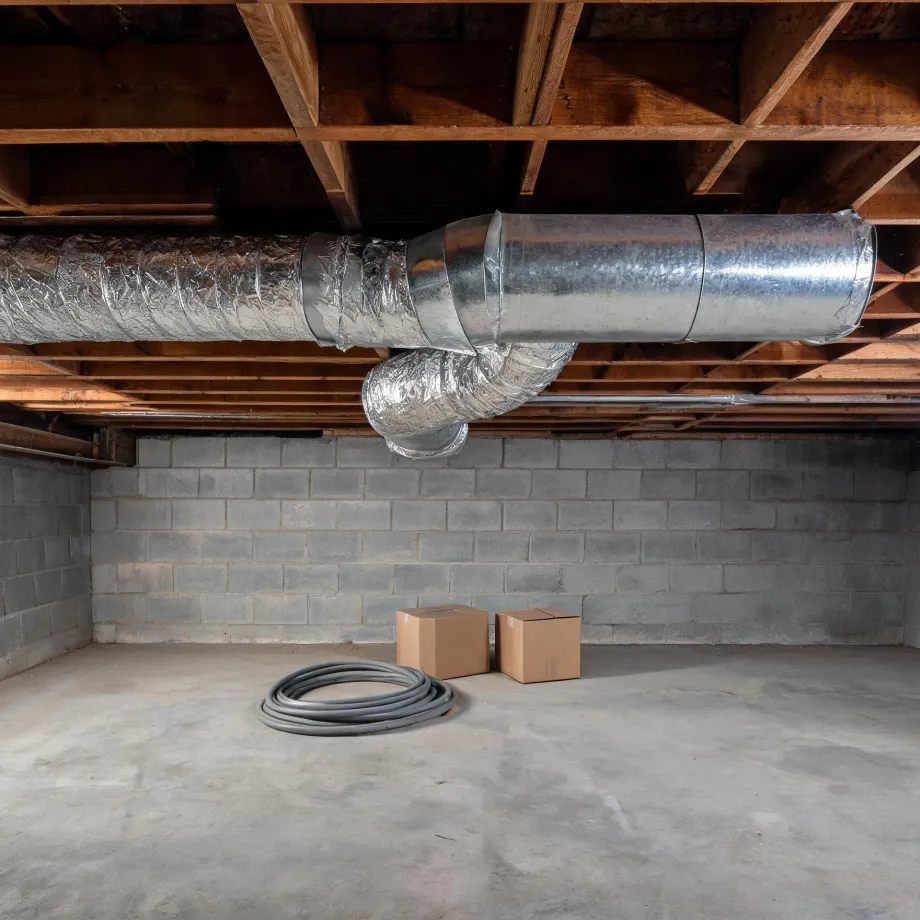
The electrical service in a house is what settles whether a mini-split goes in cleanly or whether the work starts somewhere behind the breaker box. Half the homes in Iron County, Missouri were built in 1974 or earlier (2020-2024 ACS 5-year). A house built around that point was wired for loads that looked nothing like a modern inverter-driven unit, and the original service panel reflects that. A contractor here checks what the panel actually carries before anything else gets priced. If the service needs an upgrade, that bill lands before the equipment bill does.
The Parts of a Mini-Split System and What HVAC Installation Involves
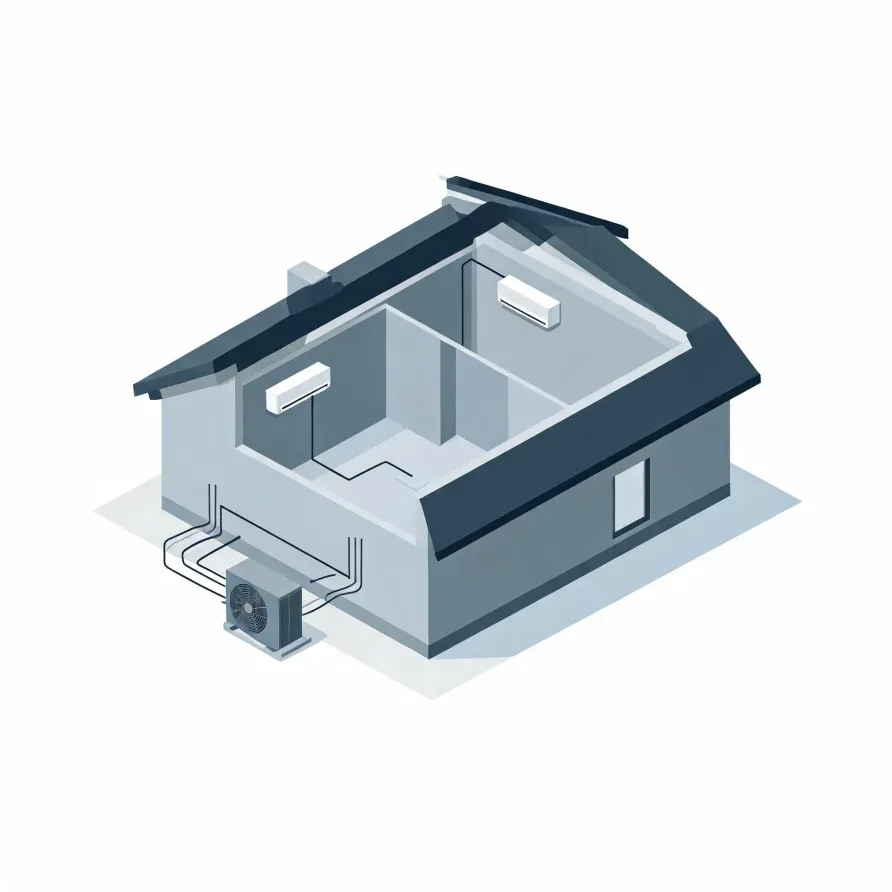
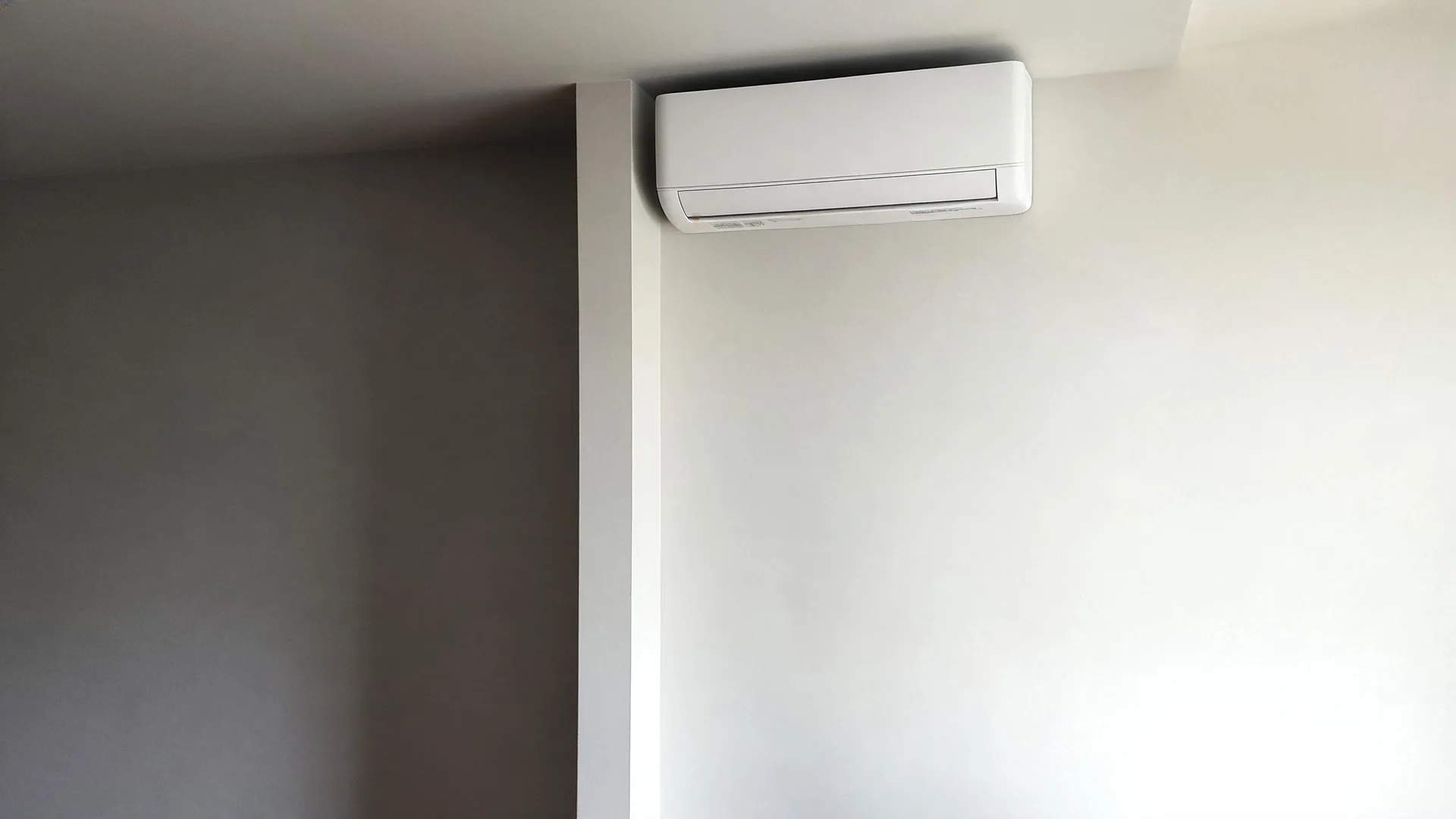
The indoor air handler mounts high on an interior wall in the room being conditioned. It pulls in room air, passes it across a coil, and sends treated air back out. Each zone in the house gets its own unit, sized and positioned by the contractor to match that room.
The outdoor condenser unit sits on the ground or a wall bracket outside the house. A conduit carrying refrigerant lines, a condensate drain, and low-voltage wiring runs through a small penetration in the wall to connect the two units. A lineset cover is often fitted along the exterior to protect and conceal that run.
The drawing shows a typical layout, and a licensed contractor determines what the configuration looks like in your specific home.
Get matched in Iron CountyIron County, Missouri, by the numbers
53 severe weather events were recorded in Iron County, Missouri between 2015 and 2024.
NOAA National Centers for Environmental Information, Storm Events Database, bulk CSV export, events 2015-01-01 through 2024-12-31.Half the homes in Iron County, Missouri were built in 1974 or earlier (2020-2024 ACS 5-year).
U.S. Census Bureau, 2020-2024 American Community Survey 5-Year EstimatesIron County, Missouri holds 4,682 housing units (2020-2024 ACS 5-year).
U.S. Census Bureau, 2020-2024 American Community Survey 5-Year EstimatesOwners occupy 75.1% of the occupied homes in Iron County, Missouri (2020-2024 ACS 5-year).
U.S. Census Bureau, 2020-2024 American Community Survey 5-Year EstimatesSevere Weather in Iron County
Heating and cooling equipment installed in Iron County works against whatever the local climate puts on it year after year. How hard that is depends on what the weather actually does here, and that makes the load a local question, not a general one.
53 severe weather events, 2015–2024. Source: NOAA National Centers for Environmental Information, Storm Events Database.