

Run it iced up and you can crack the compressor
A frozen coil forces the compressor to work against blocked airflow. Keep running it that way and you risk a repair that costs a lot more than clearing the ice would have.

Ice on your mini split's coil usually means the indoor unit isn't getting enough airflow, or it's low on refrigerant. A dirty filter or a blower struggling to move air lets the coil get too cold, and moisture in the air freezes right onto it. Low refrigerant does the same thing, dropping the coil's temperature below what the system is built to handle. In Boone County, this shows up both ways: in winter, a heat pump running flat out in the cold can ice over if it's not defrosting properly, and in summer, a unit fighting the humidity with a dirty filter or weak airflow can freeze up just as easily. Either way, running it harder won't clear the ice. The fix is finding what's blocking the airflow or where the refrigerant is leaking out, and that's a job for someone who can check the charge and the coil properly. Shutting the system off and letting it thaw is the right move while you wait.
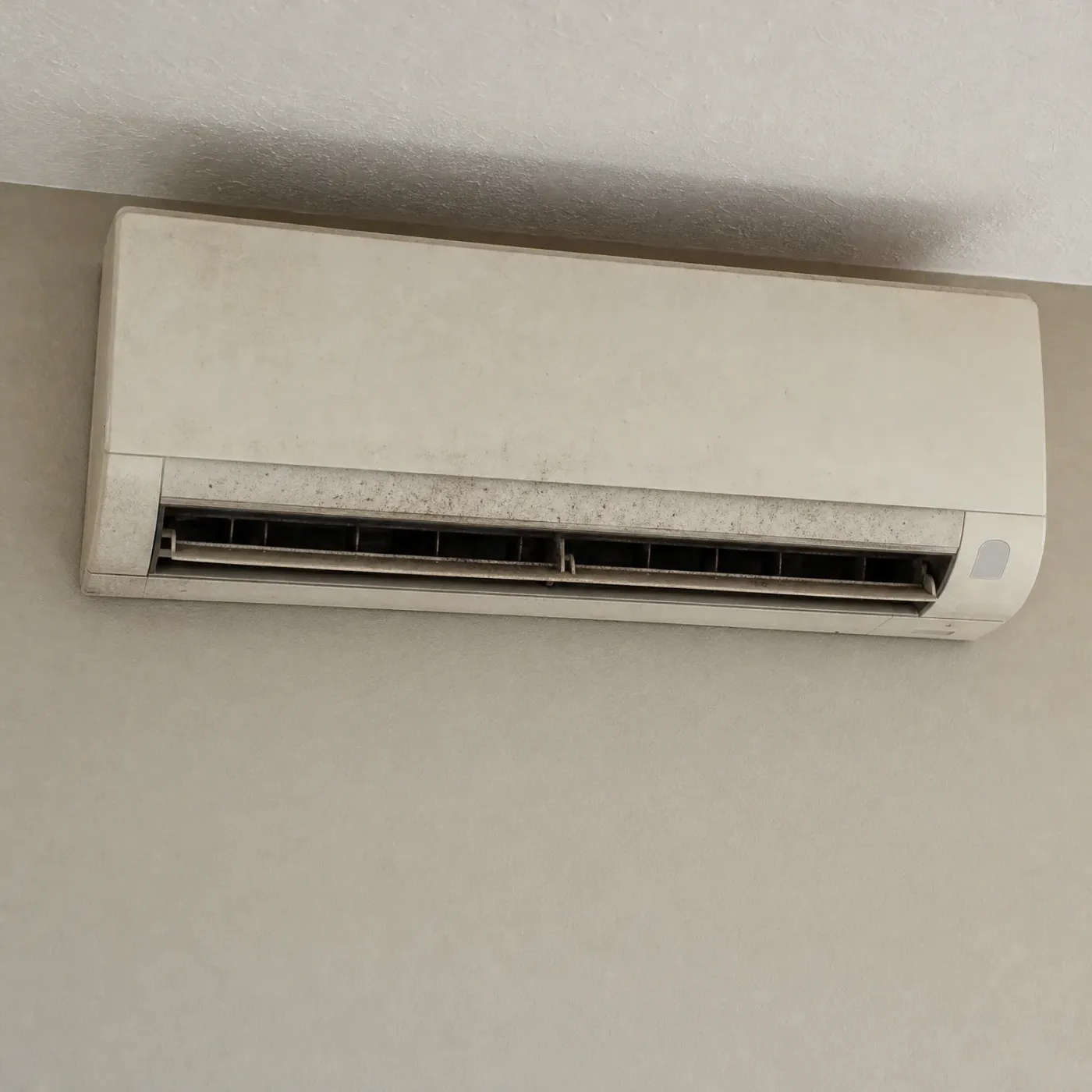
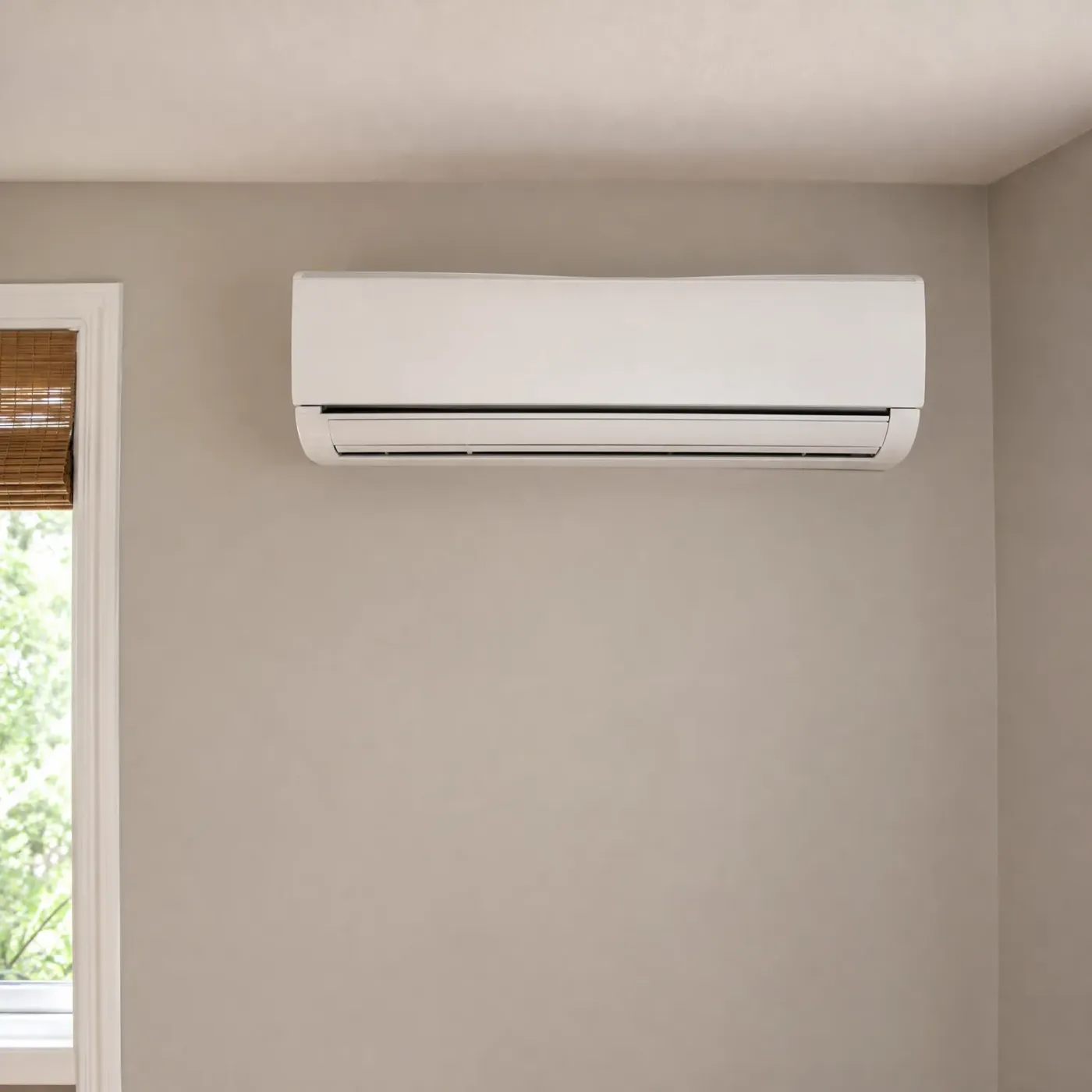
A mini split's indoor coil runs cold by design, cold enough to pull moisture out of the air that passes over it. That only works if the air keeps moving. Slow the airflow down, with a dirty filter, a dusty blower wheel, or a fan speed set too low, and the coil gets colder than it should. Once it drops below freezing, the moisture in the air stops condensing and starts freezing onto the metal instead. That frost blocks more of the coil, which cuts the airflow even further, and the ice builds from there. Low refrigerant does the same thing from a different direction. A leak drops the pressure in the line, and low pressure means a colder line, cold enough to frost over even with good airflow. Because the indoor and outdoor units share the same line set, ice from either problem can show up on both ends, not just the one you can see from inside the house.
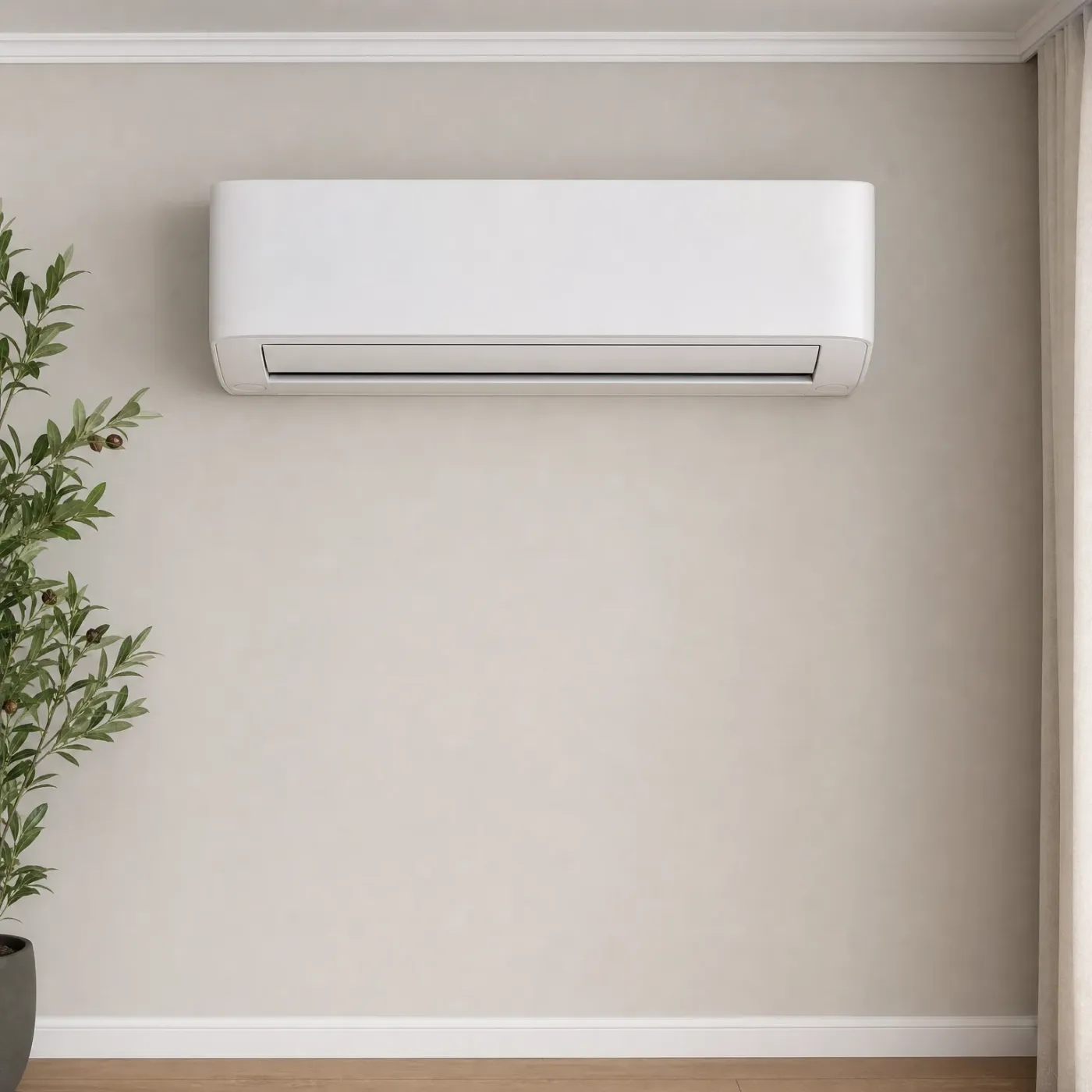
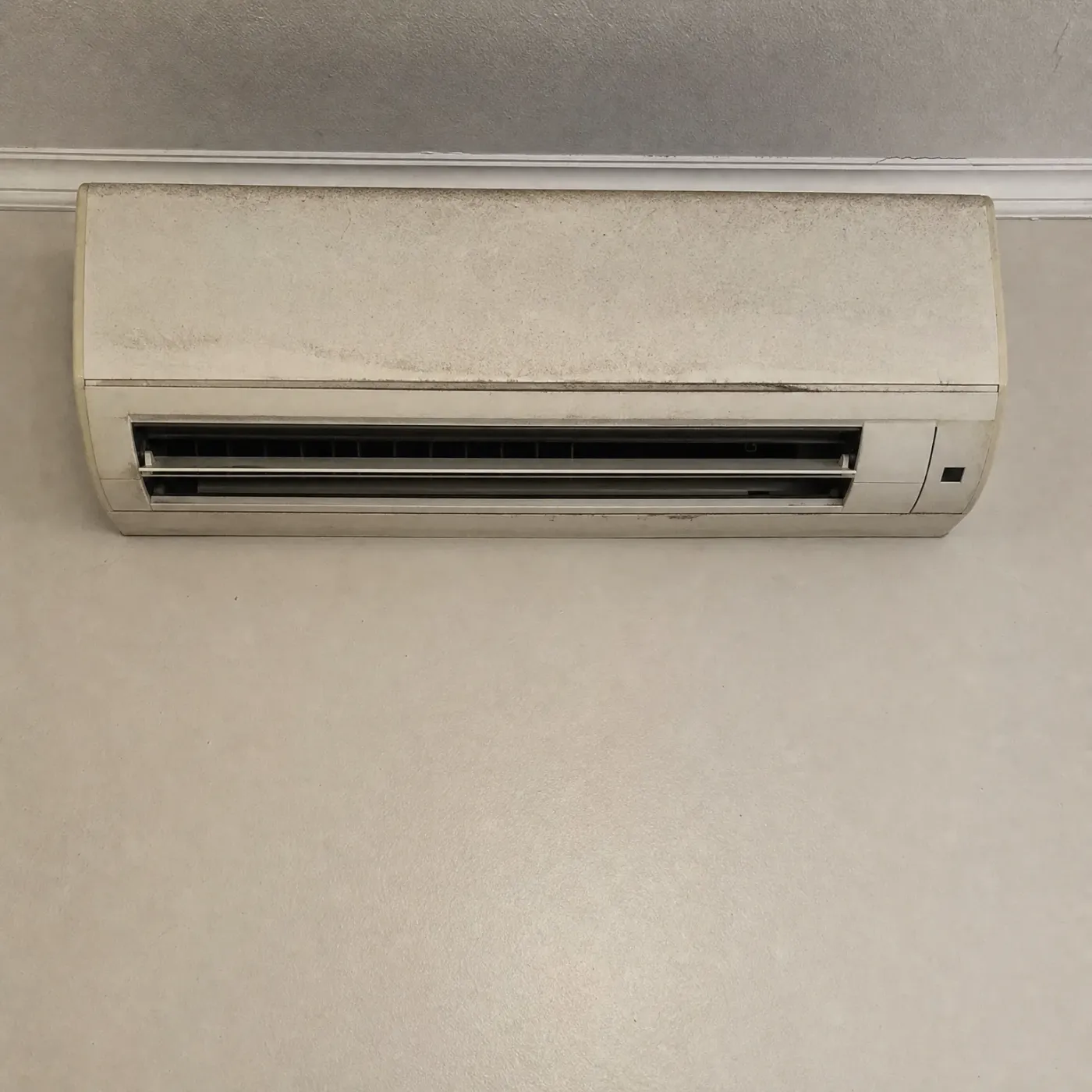

Summer air in Boone County holds a lot of moisture, averaging a dew point of 65°F across June, July and August, according to NOAA climate data. That's a lot of water for your mini split's coil to pull out of the air every time it runs. A coil that's already struggling with weak airflow has more moisture to deal with here than it would somewhere drier, and that's exactly the kind of load that turns a dirty filter or a low refrigerant charge into a block of ice. If your unit has frozen once this summer, the air outside makes it likely to happen again before fall. A contractor who knows how Boone County summers run your system can track down which of the two it is.
NASA POWER T2MDEW
Get the mini split repair search off your mind today.
Sending the form costs nothing.
Running a frozen mini split keeps pushing warm, wet air across a coil that's already iced over, and that just builds more ice instead of cooling the room. Switch the unit off and set the fan to run on its own. That lets the ice melt without the compressor working against it, and it keeps a thin layer of frost from turning into a solid block packed around the coil and the lines behind it.
Ice that reaches the copper lines running outside can trap water against them as it melts, and that water has nowhere to go but down into the wall or the unit below. A compressor running low on refrigerant while still iced over is also working harder than it should, and that's the kind of strain that shortens how long it lasts. Letting it thaw fully before anyone opens the unit back up matters too.
You flipped the mini split on hoping it would push through the ice, or maybe you just want to know if leaving it running will make things worse before you get someone out to look at it.
Running it while the coil is iced over doesn't help and it can turn a simple fix into a bigger one. The compressor is built to pump refrigerant that's picking up heat as a gas. When ice blocks airflow across the coil, refrigerant can come back to the compressor still liquid, and a compressor isn't built to compress liquid. That's how a frozen coil problem turns into a compressor problem. Switch the unit off, but leave the fan on if your remote lets you run it alone. That moves air across the coil without the compressor working, and it melts the ice faster than just sitting off would.
Warm, moist Boone County air crosses the indoor coil as the blower pulls it through.
Weak airflow or a low refrigerant charge lets the coil drop below freezing.
Moisture in the air lands on that cold coil and freezes instead of draining off.
Ice spreads across the coil face, blocking even more of the airflow.




A frozen coil forces the compressor to work against blocked airflow. Keep running it that way and you risk a repair that costs a lot more than clearing the ice would have.
Once the airflow or refrigerant problem behind the ice gets fixed, the coil stays clear and the unit keeps your home comfortable through the rest of a Boone County summer.
Five months of that stretch is real work for your mini split, and every one of those months is warm and humid here. A unit already running long hours on a struggling coil or low charge freezes up faster, and it'll keep happening until the actual cause gets fixed.
NOAA nClimDiv 1991-2020
A frozen coil has a cause, and it's one of two things: the indoor unit isn't pulling enough air across that coil, or it's running short on refrigerant. Either one lets the coil drop below freezing, and the moisture in Boone County's thick summer air turns to frost the moment it lands there. Nothing about the heat outside did this directly. It's the airflow or the charge, and once you know that, the rest of what you've seen on this page makes sense, from the caked filter to the iced coil to the months of humid air this unit has to work through every summer.
Turning the unit off and letting the fan run clears the ice without adding to whatever damage has already started. Leaving it running does the opposite. It keeps pushing warm air across a coil that can't do anything with it, and that's how a frozen coil turns into a cracked compressor.
Thawing the ice isn't the same as fixing what caused it. A dirty filter gets cleaned, a weak blower gets checked, a low charge gets found and corrected, and a contractor who actually looks at the system can tell you which of those is yours. Once you send the form, that part stops being something you have to figure out on your own. Someone who knows this equipment takes it from here.
Send the request today and let a mini split pro reach out to you.
It costs nothing to send, and you don't have to hire anyone.