Running clean
When a mini split is clean and maintained, it pulls heat from outside air at a fraction of the electricity baseboard would use for the same warmth. That gap is where the savings in your power bill actually come from.
You've got baseboard heat in part of the house and a mini split somewhere else, and you're trying to figure out which one is actually costing you less to run. Baseboard heaters warm by converting electricity straight to heat, no way around that. A mini split moves heat instead of making it, so the comparison isn't as simple as it sounds, especially with power priced the way it is here.
Baseboard heat turns one unit of electricity into one unit of heat. A mini split moves heat from outside air into the room, so it can produce two or three units of heat for the same unit of electricity. That difference holds even down into the 30s and 40s, which covers most of a Missouri winter. With power priced cheap here, the gap in the bill won't be dramatic, but it's still real, and it shows up every month the mini split is running instead of the baseboard. Most homes around here heat with gas furnaces, so if your mini split is covering one room, a sunroom or an addition where baseboard was the old fix, you're looking at a direct swap between the two, and the mini split wins it.
Baseboard heat makes warmth by pushing power through a resistance wire, and every watt that goes in comes out as heat. A mini split moves heat instead of generating it, pulling warmth from outside air and concentrating it indoors. For the same amount of heat delivered to a room, it can use a fraction of the electricity baseboard needs, because it's moving energy rather than converting it from scratch.
Missouri power is cheap compared to a lot of the country, which keeps baseboard heat from being as painful here as it is elsewhere. But cheap power multiplied by a resistance heater running all winter still adds up faster than the same hours on a mini split. If your mini split covers the rooms you spend evenings in, that's where the baseboard-to-mini-split swap pays off most directly.
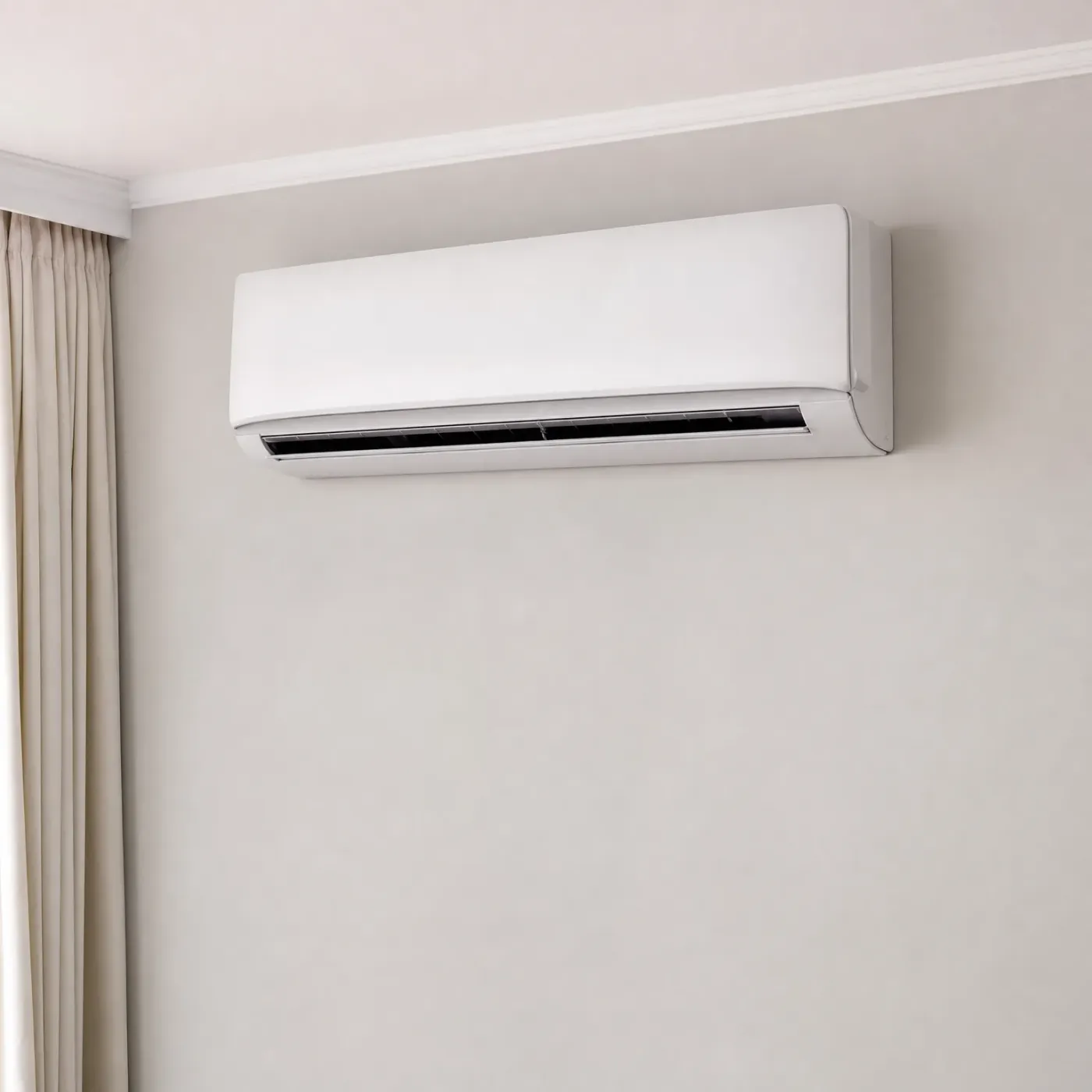
When a mini split is clean and maintained, it pulls heat from outside air at a fraction of the electricity baseboard would use for the same warmth. That gap is where the savings in your power bill actually come from.
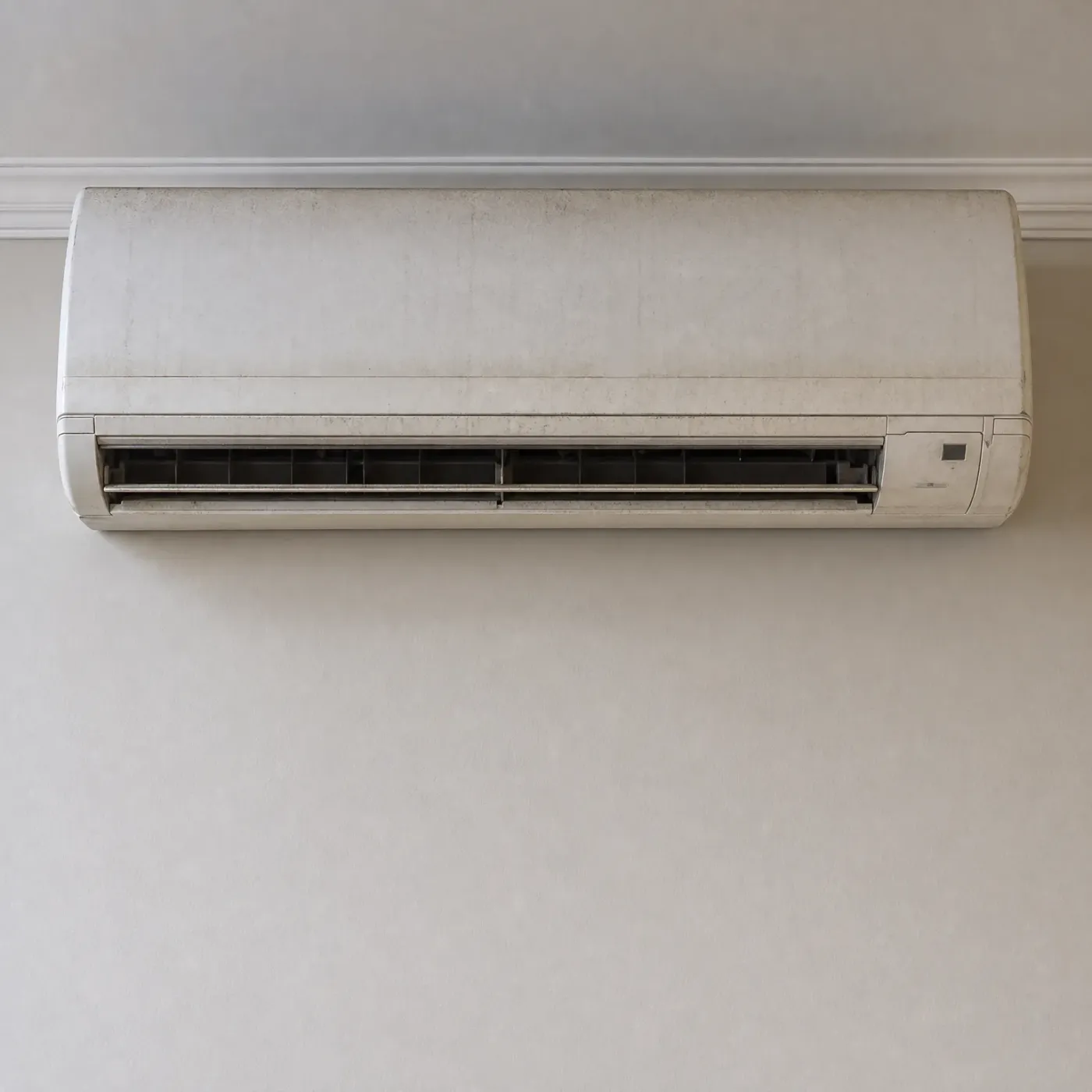
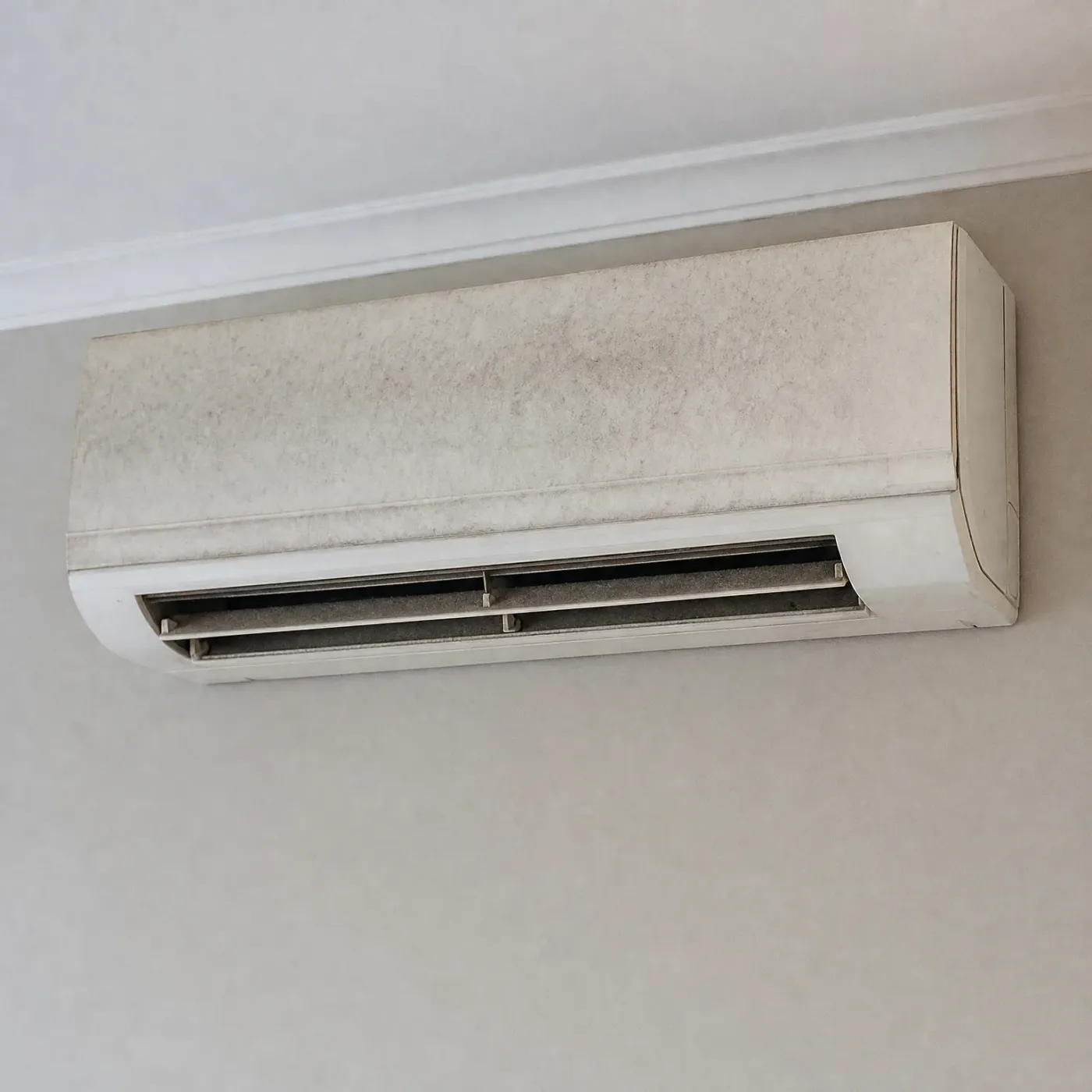
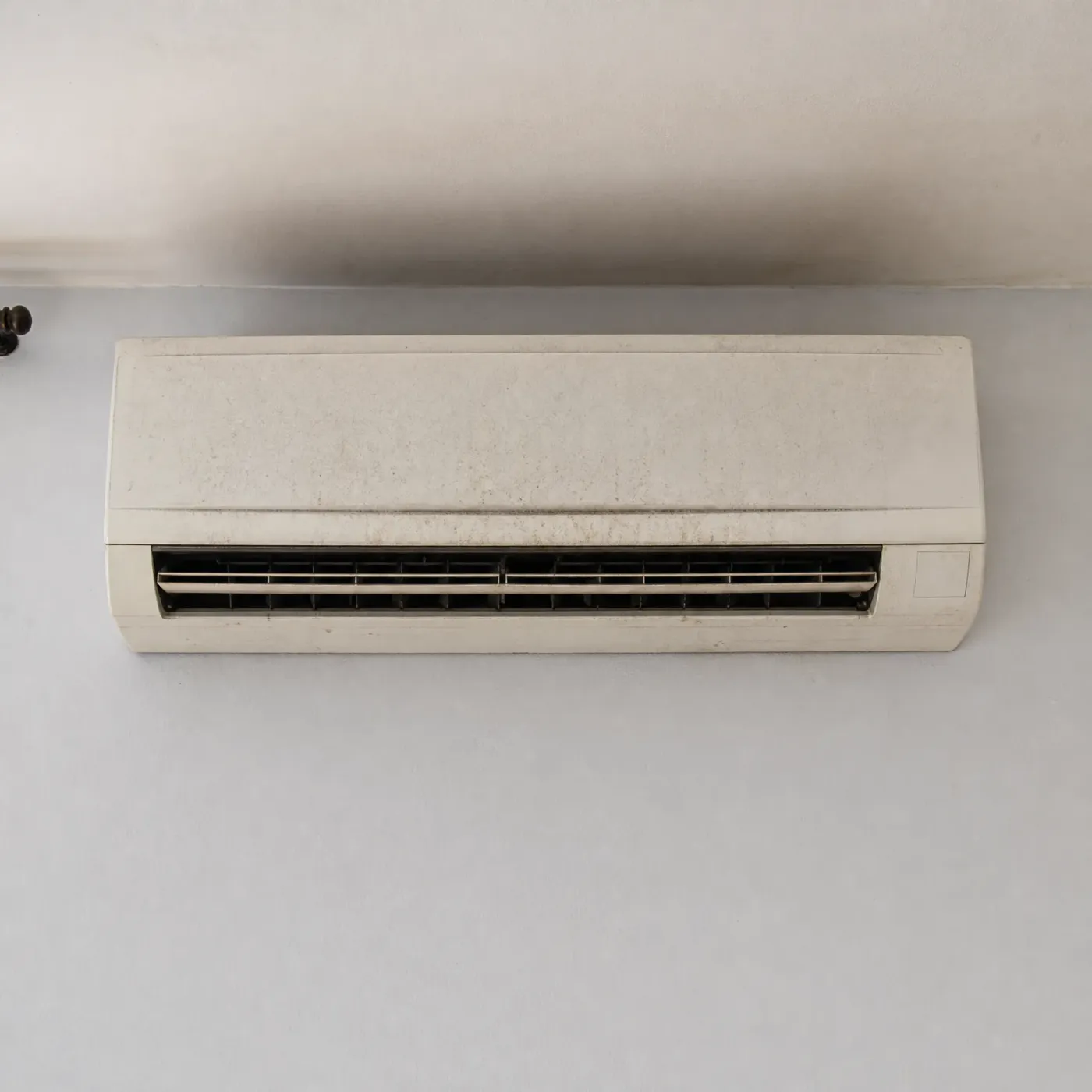
Dust built up like this on the casing usually means dust built up inside too, on the coil and the filter. A mini split working that hard to push air through loses some of its advantage over baseboard, and the bill creeps up with it.




Skip collecting and comparing quotes for the new mini split.
One request ends the search for a mini split installer.
There's no charge for the request.
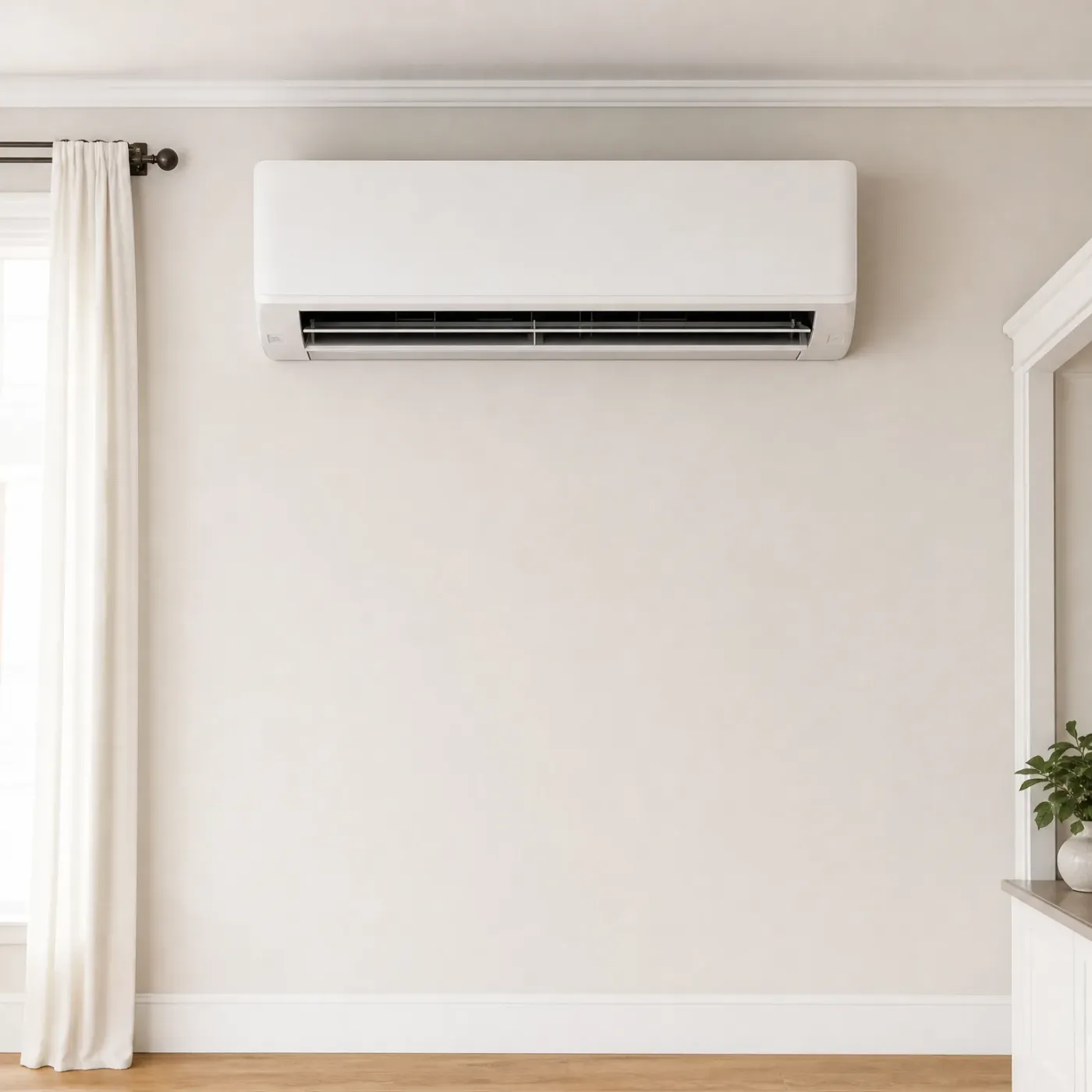
A mini split starts outside. The compressor in that outdoor unit pulls heat energy out of the air around it, even when that air feels cold, and sends it inside through a line of refrigerant. Indoors, a coil carries that heat into the room, and a fan pushes air across the coil to move it where you need it. Nothing burns, nothing resists. The reversing valve is what makes the whole thing flexible. Come summer, that valve flips the cycle so the same equipment pulls heat out of your house instead of into it. It is the reason one piece of equipment handles both jobs year round.
Cold changes the math. Once the outdoor temperature drops far enough, the compressor can't pull heat as fast, and the unit leans on electric resistance strips to cover the gap. Those strips work exactly like baseboard heat, current through an element, no transfer involved. That's the one stretch where a mini split and baseboard cost close to the same to run.
Baseboard heat has none of this. No compressor, no refrigerant, no outdoor unit. Just a resistance element that heats up when current runs through it, the same way every time, with nothing to maintain and nothing to go wrong. That simplicity is also its ceiling. It can't do better than one unit of heat per unit of power, and a mini split, left clean and given room to breathe outside, almost always can.
Set it back further than the manufacturer recommends to save power and the compressor has to work harder to catch back up, which can erase the savings you were trying to get.
A dirty filter or a blocked outdoor unit makes the compressor run longer for the same heat, and that extra runtime shows up on your power bill before you'd ever see it.


The thermostat calls for heat and the compressor starts.
Refrigerant absorbs heat from the outdoor air.
The compressor concentrates that heat, raising its temperature.
The indoor fan blows across the hot coil into the room.
At 13.30 cents a kilowatt-hour, every unit of heat your mini split moves costs you less than the same unit pushed out by resistance wire. Baseboard turns all that power straight into heat, so it never gets the benefit of cheap power the way a mini split does.
EIA-861 2025 statewide residential average
A mini split that's clean and sized right costs less to run than baseboard, and in Missouri, with power this cheap, that gap is worth having. Baseboard will never close it, because it turns every watt straight into heat with nothing extra to show for it. Where your mini split actually stands, clean or dusty, undersized or right for the room, comes down to the install and the upkeep behind it. If you're ready to get one in or get the one you have looked at, you don't have to spend your evening searching contractor sites, calling around to see who answers, explaining the same thing to three different people, then laying out quotes side by side to figure out who's worth trusting. Send the details once and that work is off your plate.
Explain the job once and skip repeating it on every call.