

Clean filters, steady output
This is what a mini split looks like when it's kept up with. Air moves through it freely, the coil behind that panel stays clear, and it holds its output whether it's fighting July humidity or a January cold snap.
A mini split in Washington, MO needs its filters cleaned every 2 to 4 weeks during the stretch it runs hardest, which here means both the long muggy summer and the cold months when it's pulling double duty as your heat. The coils and blower wheel should get a full cleaning once a year, usually in spring before cooling season starts. Mini splits pull air through a mesh filter right at the indoor unit, and in a county where the system runs close to year round, that filter loads up with dust and pet hair fast. A dirty filter makes the unit work harder to move the same air, which shows up as weaker cooling, longer run times, and eventually ice forming on the coil in summer or a system that struggles to keep up with a January cold snap. Keeping up with cleaning now means fewer breakdowns later and a unit that lasts as long as it's built to.
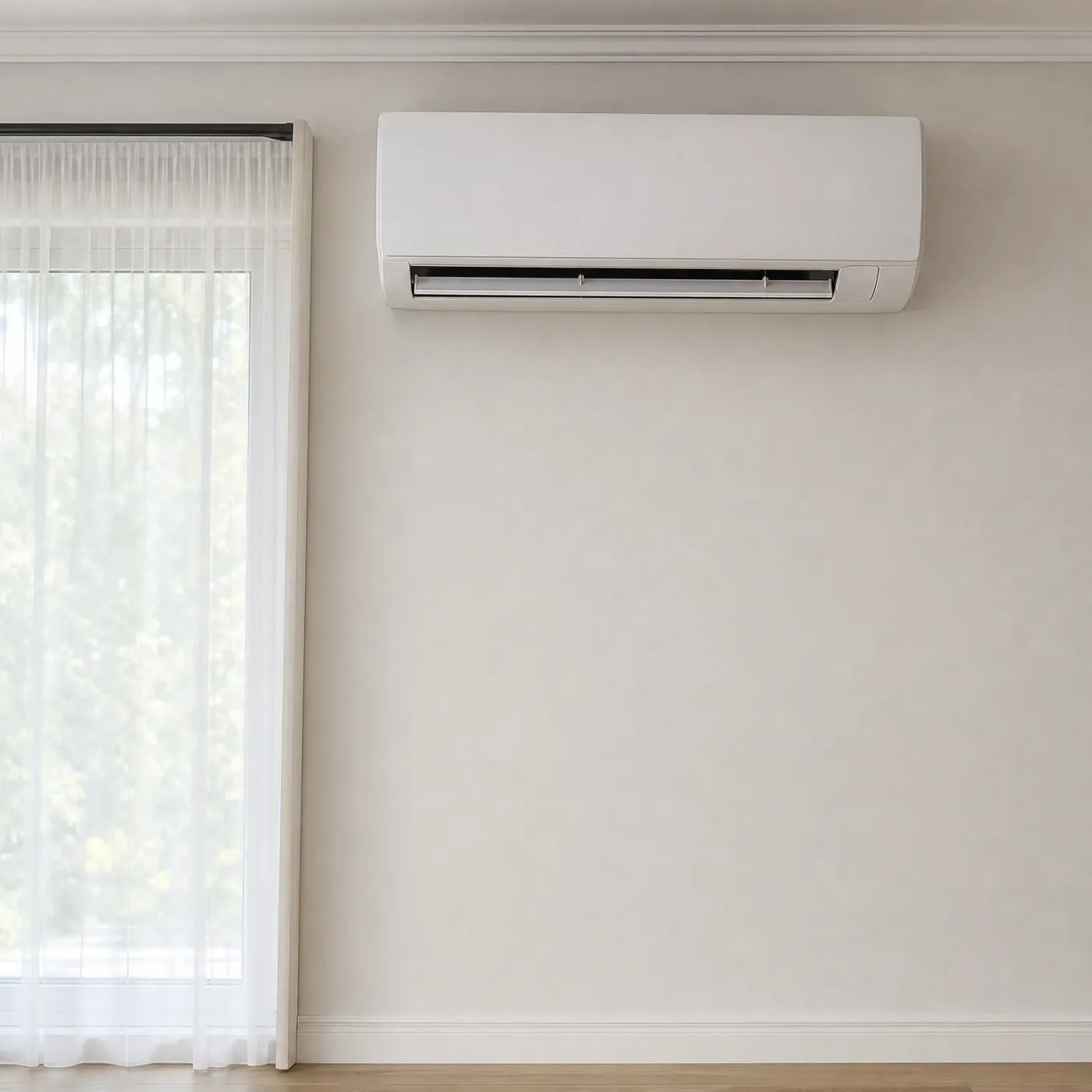
This is what a mini split looks like when it's kept up with. Air moves through it freely, the coil behind that panel stays clear, and it holds its output whether it's fighting July humidity or a January cold snap.
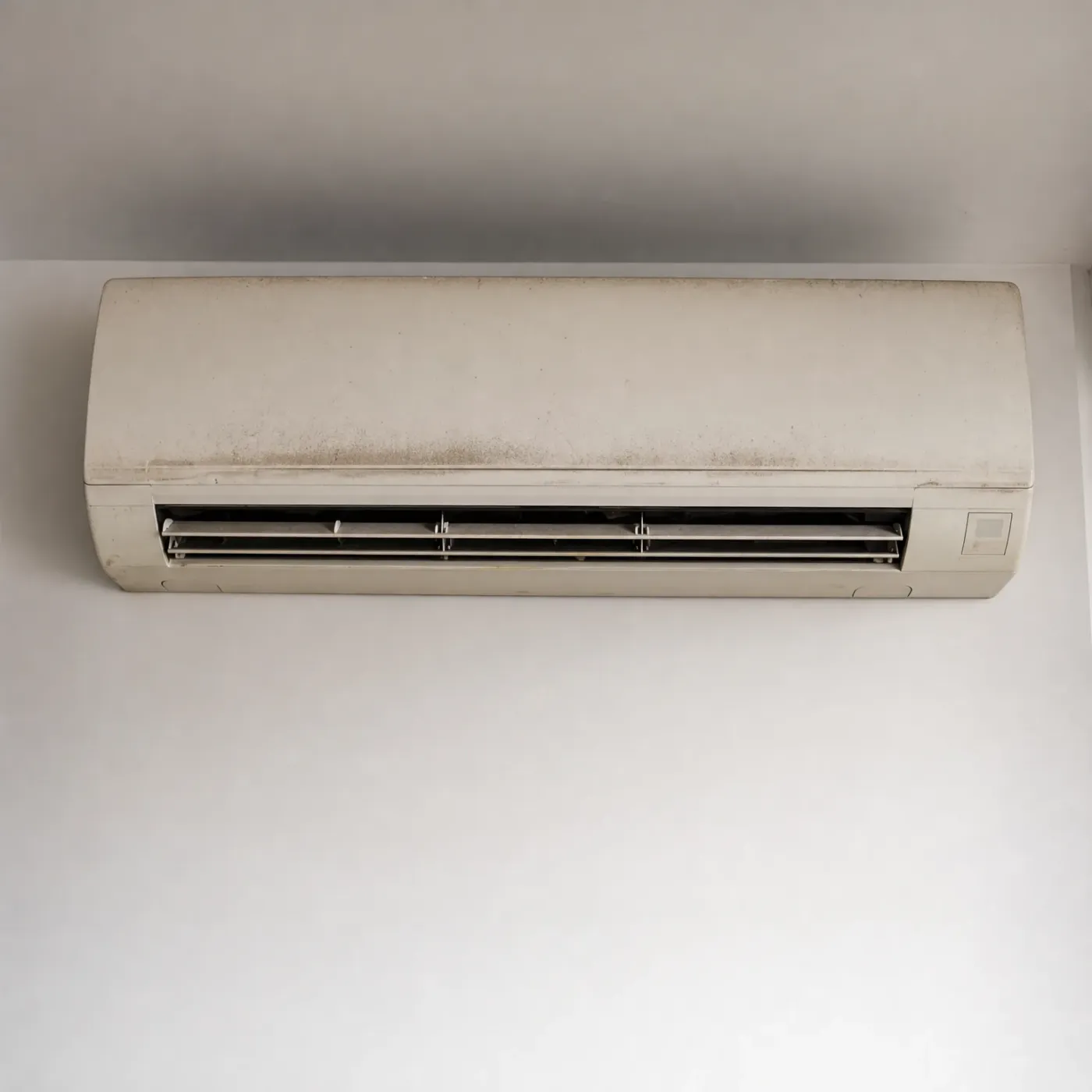
Dust like this on the housing means more built up on the filters and coil inside. The unit has to work harder to move the same air, and in a Franklin County summer that runs long, that strain doesn't let up.
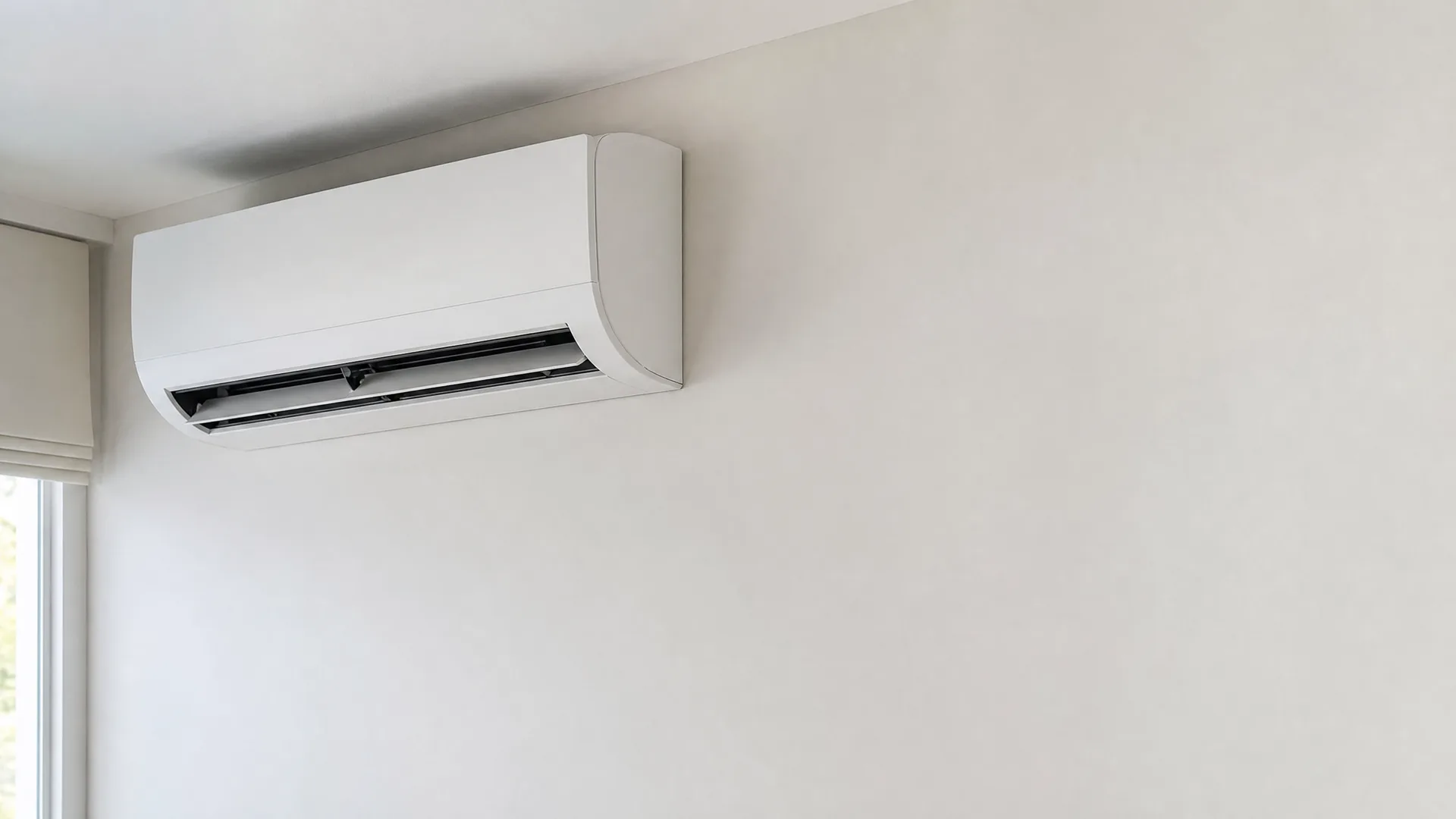
The filter is the only thing standing between the air in your house and the coil behind it. A mini split moves air constantly whenever it's running, and dust rides along with it. When the filter loads up, less air gets through, so the system has to run longer to put out the same heat or cooling. That shows up on your electric bill before it shows up anywhere else.
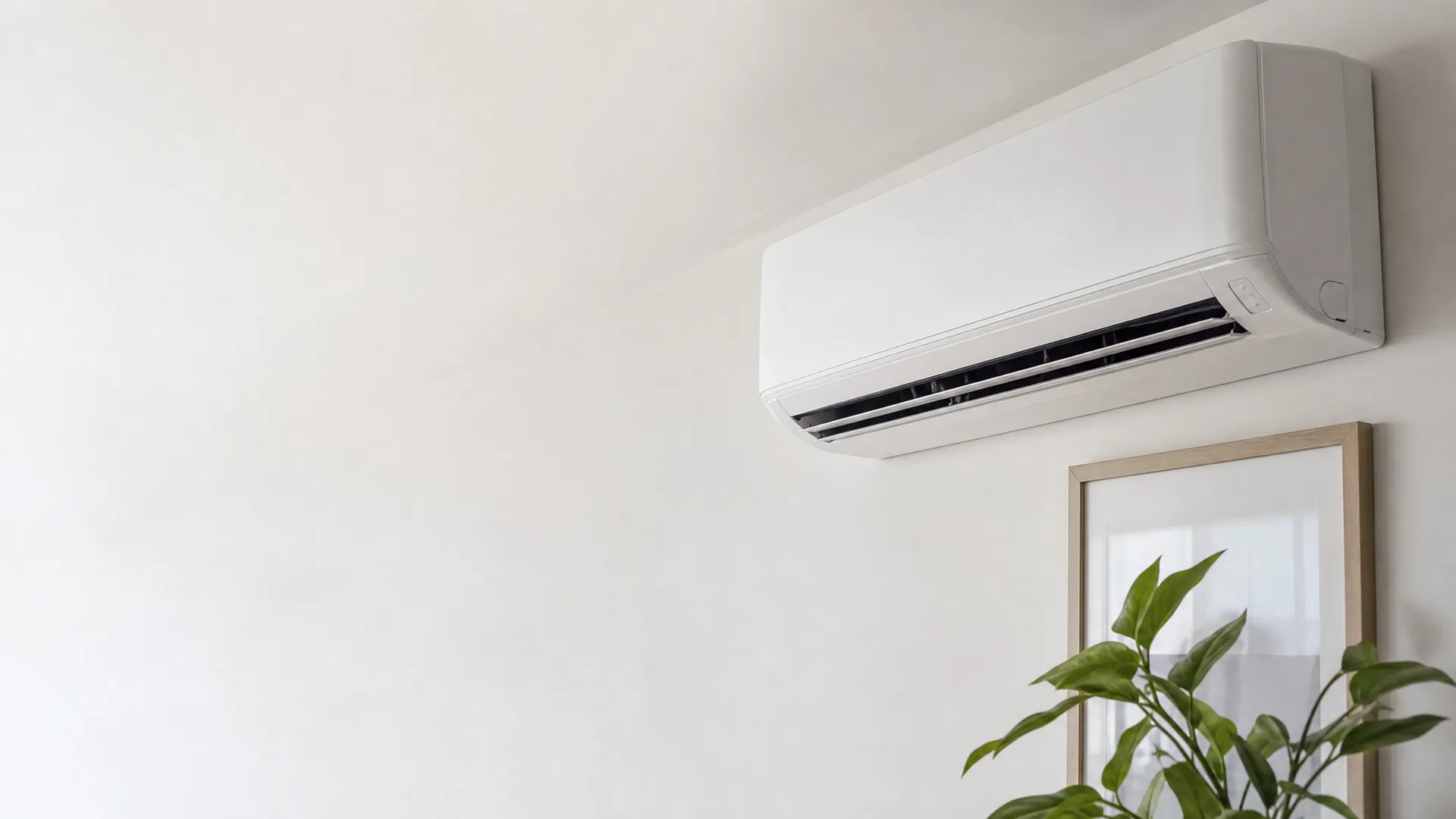
Behind the filter sits a coil that has to stay exposed to moving air to do its job. Dust that gets past a dirty filter settles there, and a coated coil can't transfer heat the way a clean one does. In summer that means the unit struggles to pull humidity out of the air. In January it means the heat pump works harder to get the same warmth into the room.
You might notice the air coming out feels weaker than it used to, or the unit runs longer to hit the same temperature. Sometimes there's a musty smell when it first kicks on, or the indoor unit seems louder than you remember. A little water pooling near the base, or ice building up on the line outside, both point the same direction. None of this means the unit is broken. It usually means the filter or coil is choked with dust and the system is working past what it should have to. Left alone through another Franklin County summer or winter, that strain can shorten how long the unit lasts and push your power bill higher than it needs to be.




Answer a few questions instead of calling shop after shop.
No fee to send it, and nothing to sign.
Wiping down a filter is the part you can see. The rest of the unit needs a contractor's attention, and it needs it on a schedule, not just when something seems off. The indoor coil sits right behind that filter, and it collects a film of dust and grease that a brush or coil cleaner has to lift off, since rinsing it the way you'd rinse a filter doesn't touch it. Next to the coil is the blower wheel, the part moving air across it, and when dust builds up unevenly on its blades it throws the whole wheel out of balance. That shows up as noise before it shows up as anything else. Below both of those runs the drain line, carrying off the condensation the unit pulls out of the air, and algae growing inside that line will eventually clog it. When it clogs, water backs up into the indoor unit and either drips into your house or trips a shutoff. Outside, the unit has a second coil, and whatever collects against it, grass clippings from mowing, leaves off the trees in the yard, makes the system work harder to move heat in both directions. Most manufacturers want all of this done once a year, with a second look before summer or winter asks the most of it. That same visit is when a contractor checks the refrigerant lines and electrical connections, which matters because a slow leak is far easier to catch during a routine check than after it's already cost you cooling or heat.
Cooling runs May through September
Cooling runs May through September. That's five months of the filter loading up with dust and the coil working to pull humidity out of the air.
Heat runs October through April
Heat runs October through April. Seven months on the other side of the thermostat, which is most of the year leaning on this one unit.
Power here costs 12.85 cents per kilowatt-hour
Power here costs 12.85 cents per kilowatt-hour. A mini split running dirty pulls more of it to move the same amount of air.
NOAA nClimDiv 1991-2020 · EIA-861 2025

Wash the filters every 2 to 4 weeks whenever the unit is running hard, and have the coil and blower wheel looked at once a year. That's the whole answer. Skip it and the unit works harder for less air, in July and in January both.
If you'd rather not spend an afternoon searching for someone, calling a few numbers, and explaining the same thing to each one, send the form on this page. You'll stop sorting through names and quotes yourself, and you'll know who's handling it instead of still looking.






Fill out one form instead of calling around for a mini split tune-up.
Sending the form costs nothing.