Does a mini split lower heating bills in Missouri

Step 1 of 3: Equipment

A mini split can lower your heating bill, mainly because of what it's replacing. Most homes in Missouri heat with gas, and a mini split runs on electricity instead, moving heat from outside air rather than burning fuel to make it. Since power here is cheap, that trade often works in your favor. It will pull double duty too, since Missouri summers get sticky and the same unit cools the room. Where it falls short is deep cold. A heat pump loses capacity as outdoor temperatures drop, so on the coldest nights it leans harder, or your gas furnace picks up the load if the two are set up to share the house. Whether you come out ahead depends on how your home is set up now and which rooms the mini split is meant to cover. That's worth sorting out before you install one, not after.

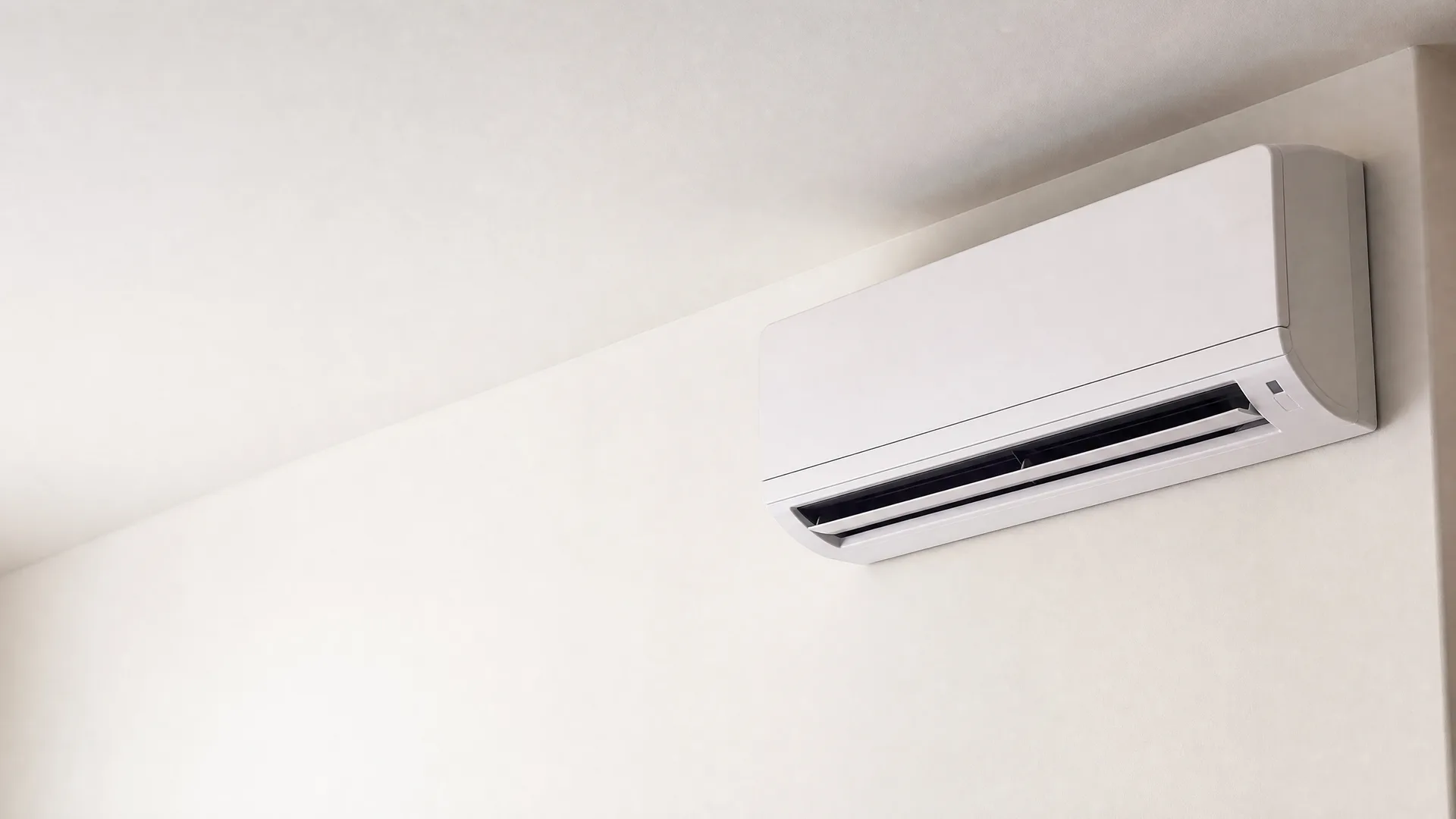
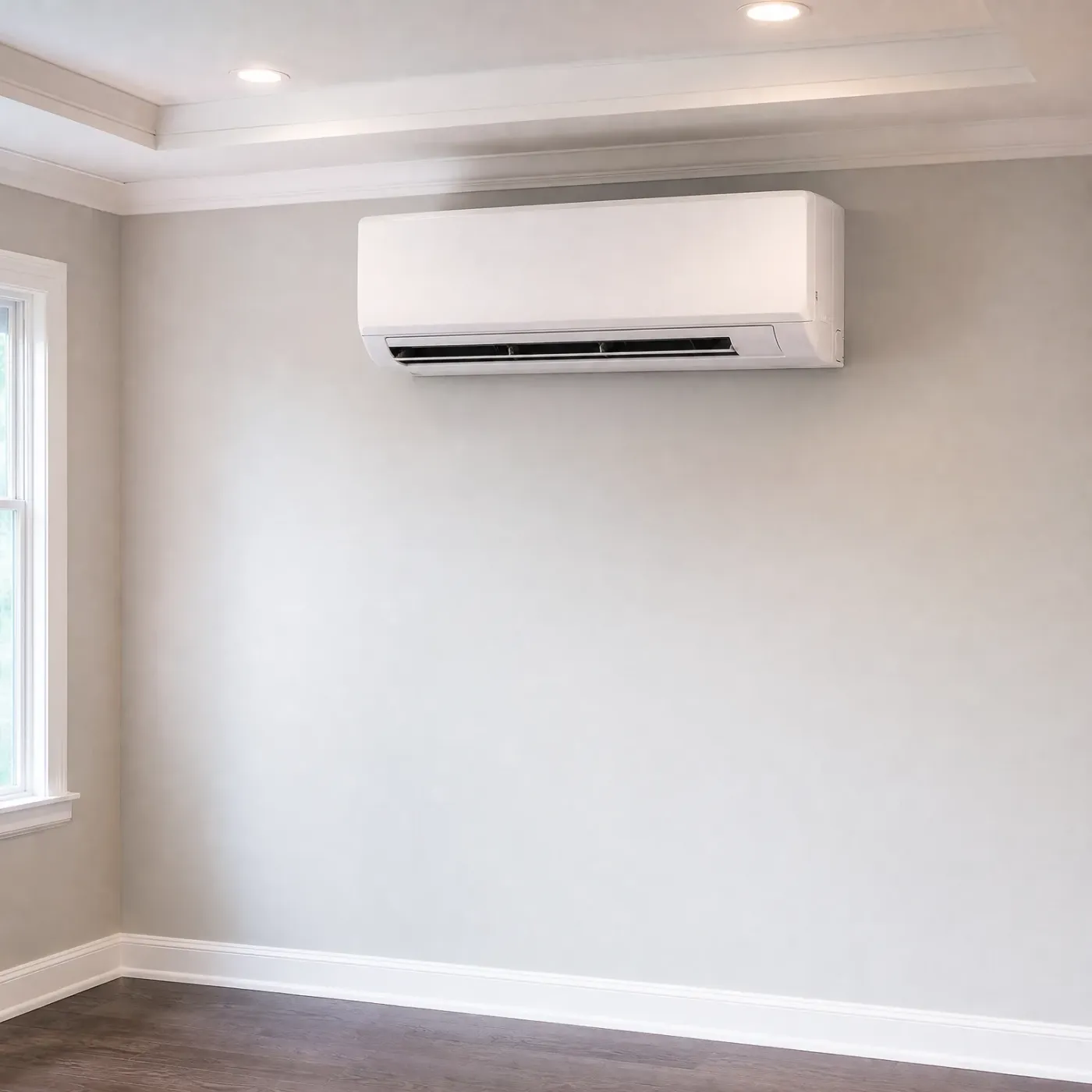
A white wall-mounted mini-split air conditioner on a light gray wall in an empty room with dark wood flooring, white baseboards, a tray ceiling with recessed lights, and a window at the left.

Running clean

A mini split that's kept clear pulls heat out of cold outside air without straining. The coil stays open, the filter stays clear, and the unit moves warm air into the room the way it's built to. That's where the savings against gas actually show up.
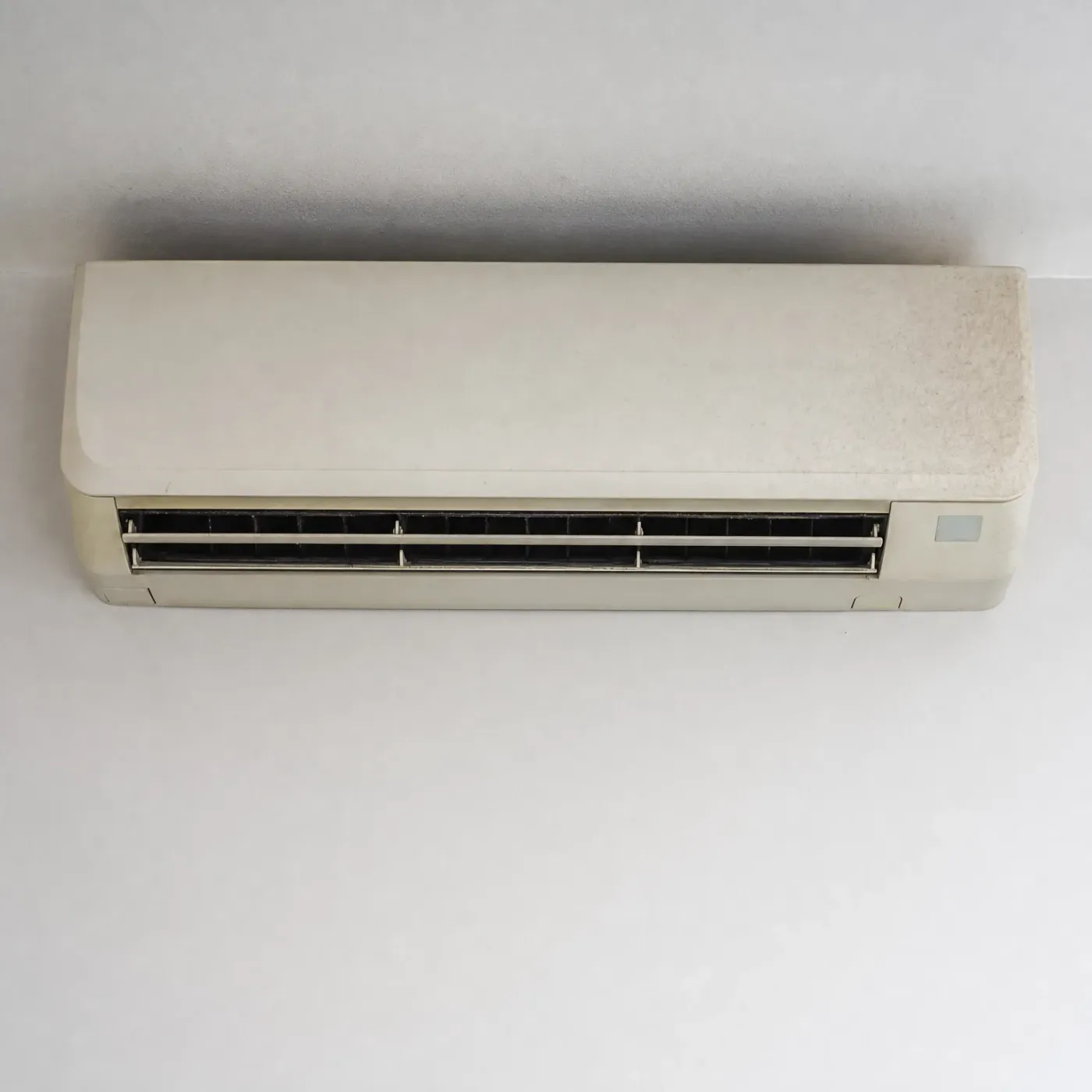
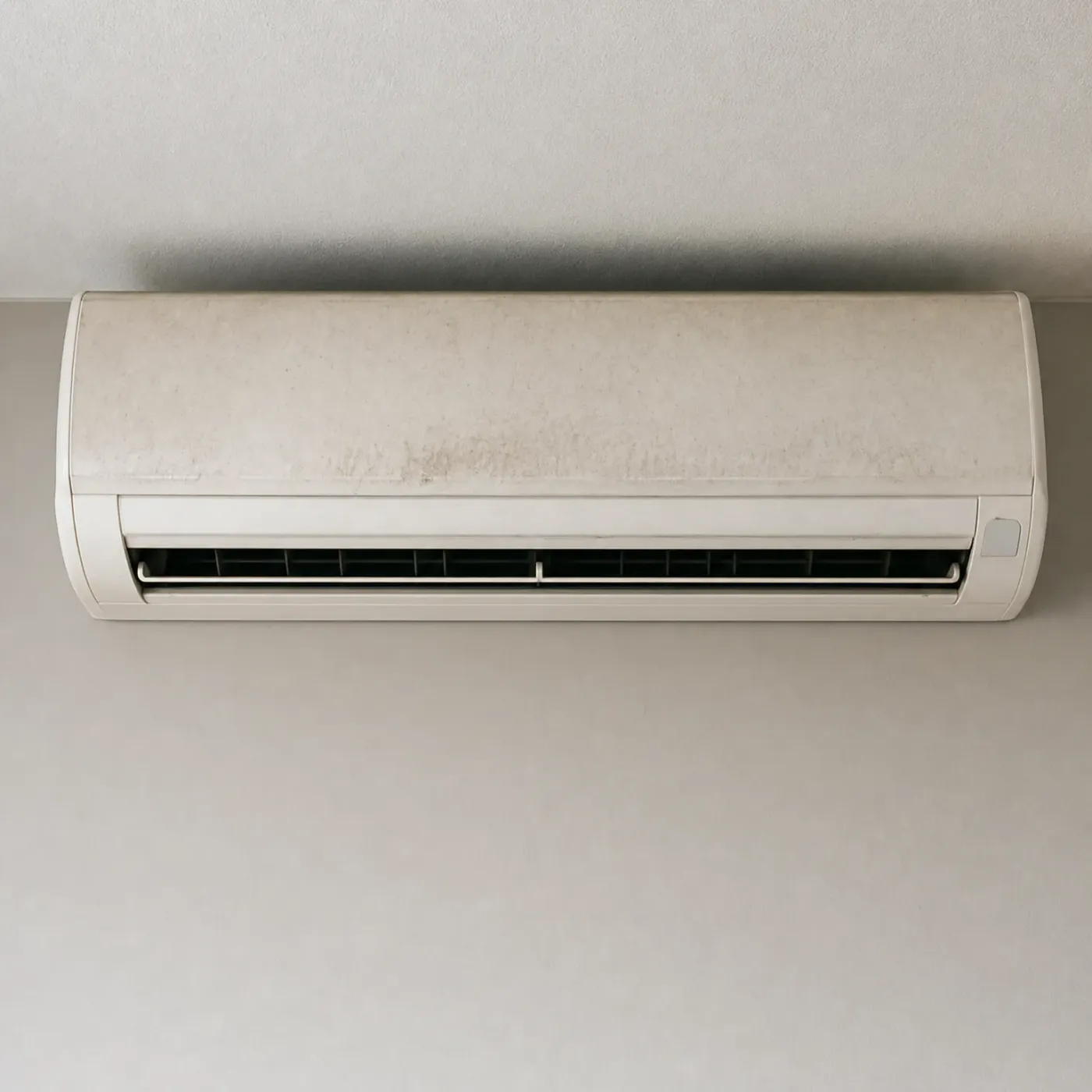
A wall-mounted mini-split air conditioner indoor unit with a yellowed plastic casing and dark horizontal vent louvers, installed on a plain light-gray wall.

Running dirty

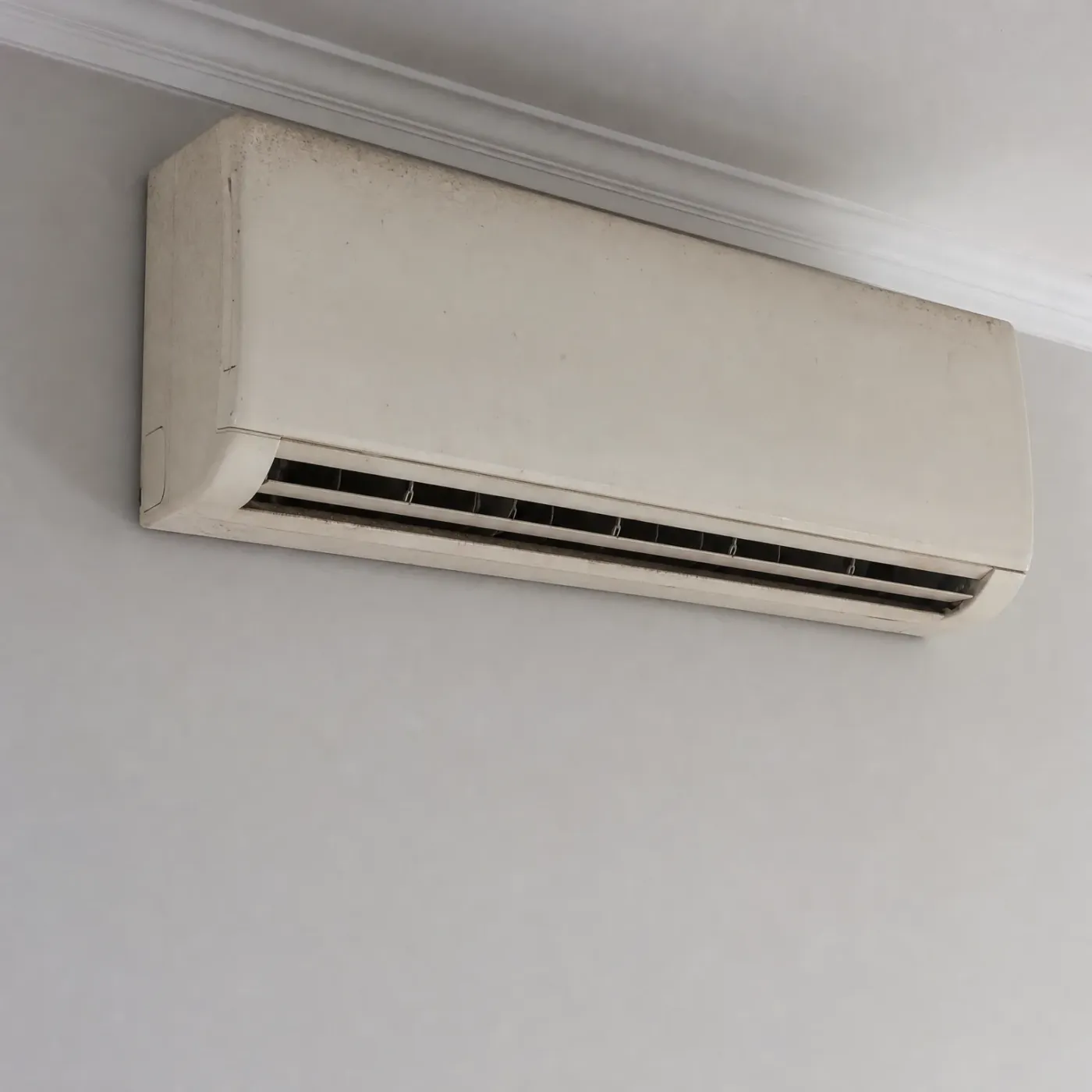
Dust on the housing and residue around the vents mean the filter behind them is worse off. A clogged filter blocks airflow, so the unit works harder to move the same heat. Any bill advantage over gas narrows the longer it runs this way.

Cold snap vs. mild day

Working against gas

  • A mini split loses ground below freezing, when the compressor has to work harder to pull heat from the outside air.
  • Missouri gets stretches of single-digit and below-zero nights, and that's where a gas furnace holds its output better.
  • A furnace burns fuel to make heat, so its cost per hour doesn't rise the colder it gets outside.
  • If your mini split is undersized for the room, it may run constantly during a cold snap and still fall short.
  • Many homes here keep the furnace as backup, which means two systems to maintain instead of one.

Working for electric

  • Electricity here is priced lower than in a lot of the country, so each hour of mini split heat costs less to begin with.
  • A mini split that's sized right for the space can carry most of a Missouri winter on its own.
  • Gas prices move with the market, and a bill tied to the furnace moves with them too.
  • No pilot light, no burner, no flue to maintain, which is less that can go wrong over a winter.
  • On the mild days that make up a good share of a Missouri winter, a mini split does the job cheaper than the furnace would.
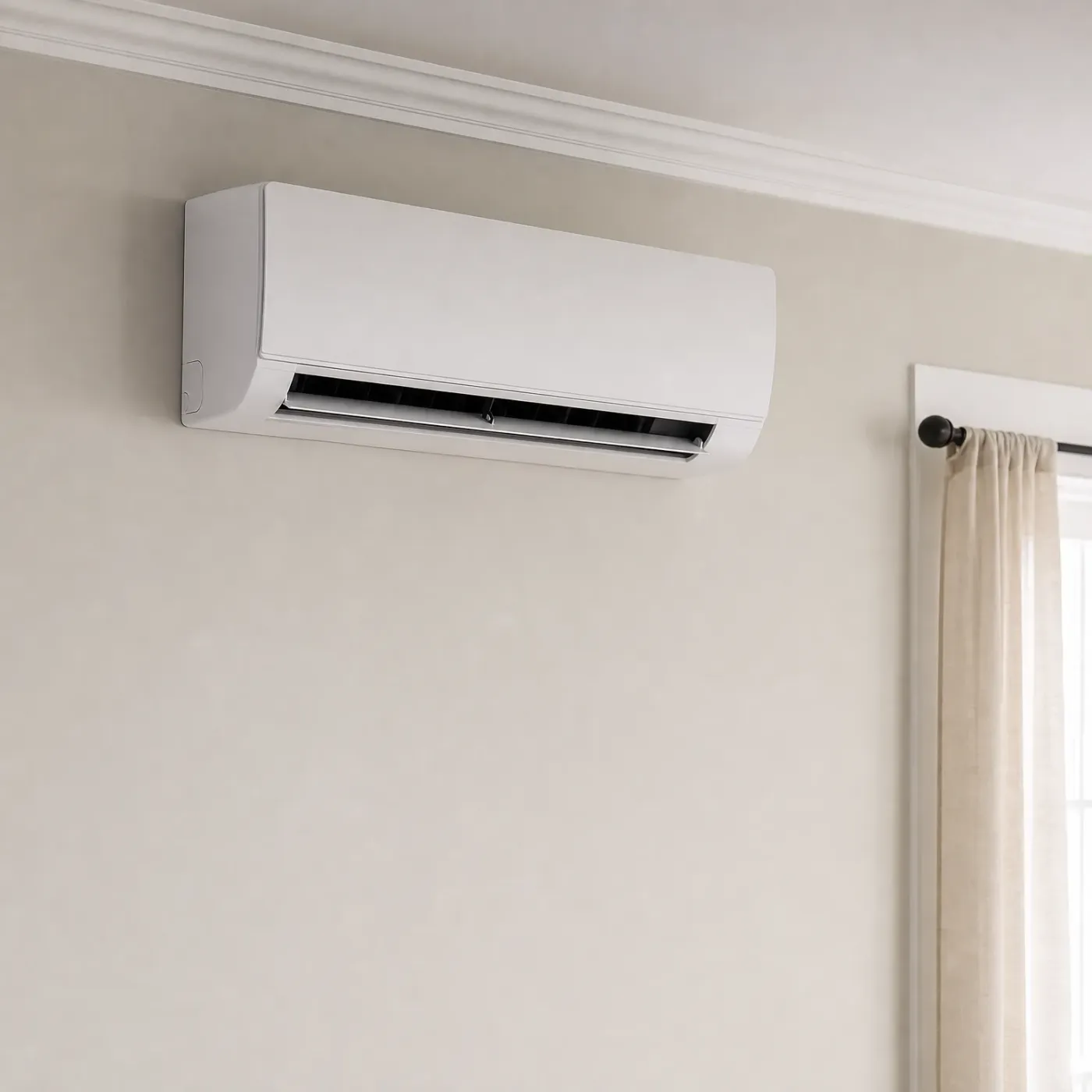
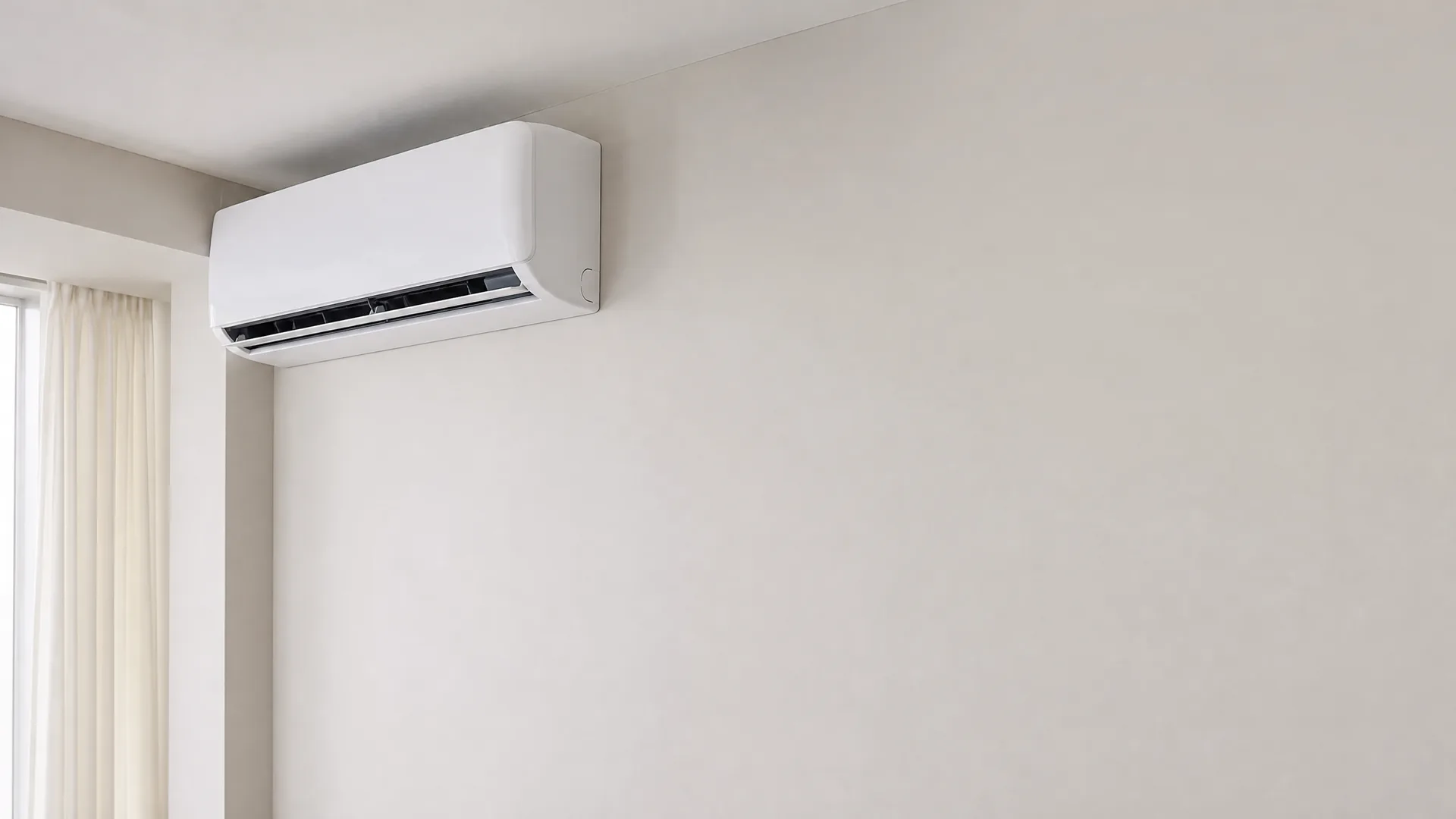
A white wall-mounted mini-split air conditioner near the ceiling of a room with plain beige walls and a pale curtain at the left edge.

How a mini split moves heat

A mini split does not make heat the way a furnace does. The outdoor unit pulls heat out of the air outside and the refrigerant line carries it in, where the indoor head releases it into the room. Even air in the 30s and 40s still holds heat to pull from. That's the whole reason it can run on electricity and still keep a room warm, and why cheap power in Missouri works in its favor.

A white wall-mounted mini-split air conditioner indoor unit installed near the ceiling on a plain off-white interior wall.

Where the output comes from

The indoor head blows air across a coil, and that coil has to stay warm enough to give off heat efficiently. A mini split sized right for the room it serves will cycle less and hold temperature steadier than one that's undersized and running flat out. That matters most on the coldest Missouri nights, when the gap between outside air and the temperature you've set is widest and the system has the most work to do.

Is your mini split actually keeping up this winter

If the room it heats feels cool by evening, or the unit runs long stretches without the air coming out warm, something's cutting into what it can pull from the outside air. Check the outdoor unit after a cold night. Frost is normal, but a thick coat of ice that doesn't clear during the day means the defrost cycle isn't keeping up. Inside, a weak stream of air from the head often means the filter needs a clean. Left alone through a Missouri winter, a struggling mini split pulls more power for less heat, and the gas furnace backing it up ends up carrying more of the load than it should.

A man in a gray sweater reclines in a brown leather armchair with his eyes closed, beside a wooden side table holding a mug, a folded newspaper and a potted plant, with a bookshelf and sunlit window behind him.
A man with greying hair and a dark sweater leans back on an armchair with his eyes closed and a slight smile, in a living room with a bookshelf, plant, folded newspaper and mug on a wooden table.
A man in a gray fleece jacket sits reclined in a leather chair with his eyes closed, in a room with bookshelves, a table lamp, a window, and a desk holding a folded newspaper and a dark mug.
A bearded man in a gray fleece pullover sits with eyes closed in a brown leather armchair in a living room, with a floor lamp, bookshelf, potted plants, a side table holding newspapers and a dark mug, and a bright window behind him.

It's off your list after this

Answer a few questions instead of calling shop after shop.

Asking costs nothing, and the choice to hire stays yours.

Gas is already cheap to run here, so the furnace sets a low bar. A mini split only beats it on the coldest nights if the install was sized and placed to handle them.

A furnace doesn't care if the outside air is 40 degrees or 4. It burns the same fuel either way. A mini split's output moves with the temperature, so the install decides how much of the winter it actually covers.

A gray-haired man with a beard in a blue button-placket shirt reclines on a couch with his eyes closed, beside a sunlit window with a green plant.
A woman in a cream knit sweater sits in an armchair with her eyes closed near a window showing yellow autumn foliage, with a mug on a round wooden side table beside her.

Above freezing

On a mild Missouri day the mini split pulls heat from the outside air without much strain. This is where it costs less to run than the gas furnace it's replacing.

Hand off my installation

Single digits and below

On the coldest nights the compressor works harder for less heat. Whether it still beats gas depends on how the system was sized for your home.

Hand off my installation
A wall-mounted mini-split air conditioner indoor unit with a dusty, discolored cover, installed near the ceiling on a plain light-colored wall.
Before you get your mini split installation
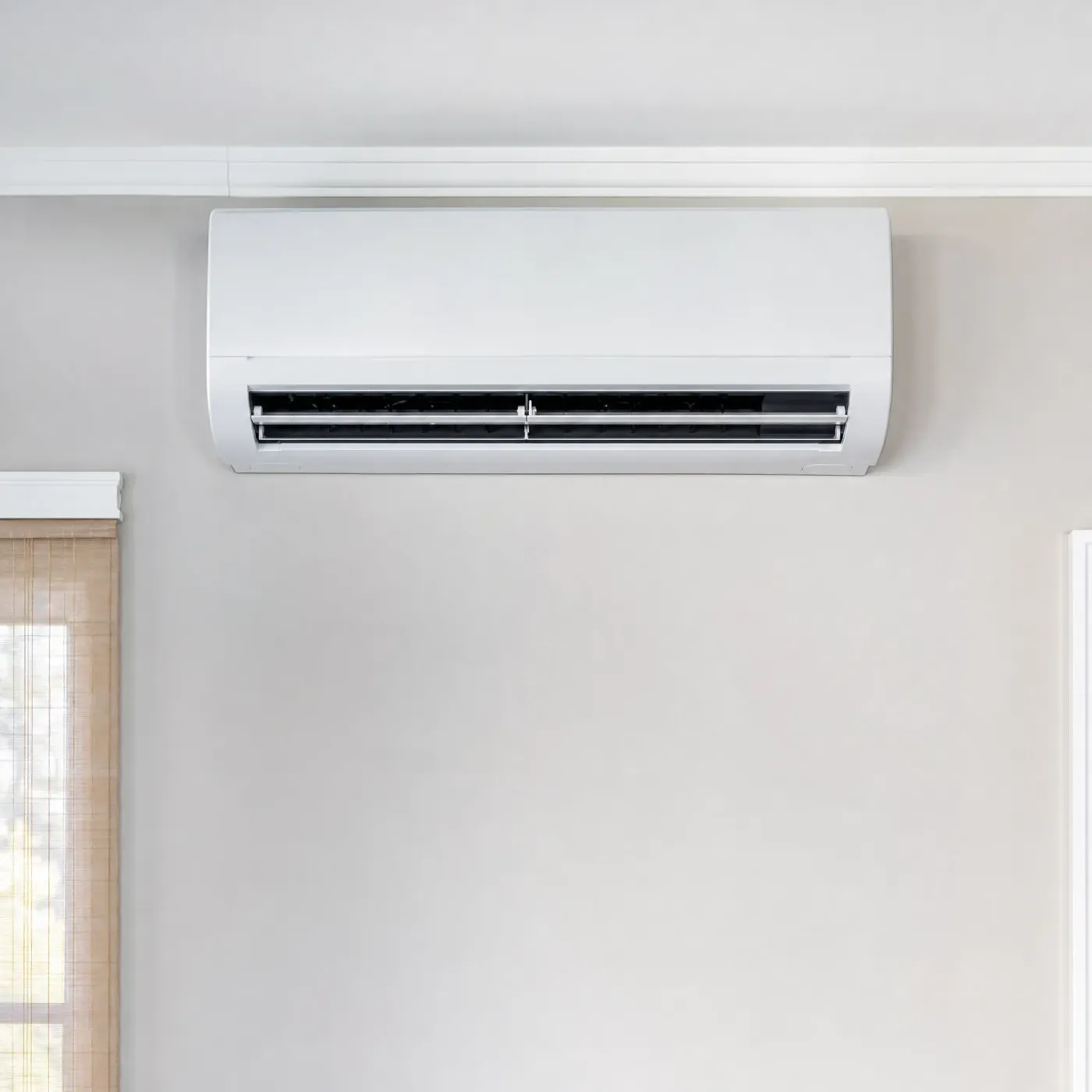
A white wall-mounted mini-split air conditioner unit installed high on a light gray interior wall below crown molding, with a bamboo-shaded window at the lower left.
After you get your mini split installation
A white wall-mounted mini-split air conditioner installed high on a beige interior wall below crown molding, with a window and light curtain on a black rod at right.

Clean and clear

A mini split with an open coil and a clean filter pulls heat from outside air the way it's supposed to. Air moves through freely, the compressor isn't straining, and what you spend stays close to what the install was sized for.

A wall-mounted mini-split air conditioner indoor unit with a dusty off-white casing and dark lower vent, installed high on a plain light-colored wall below a ceiling molding.

Dusty and neglected

A mini split like this is working harder than it should to move the same amount of heat. Dust on the casing usually means buildup inside too, on the coil or the filter, and that's what narrows the gap with gas instead of widening it.

Power costs 13.30 cents per kilowatt-hour statewide

At 13.30 cents a kilowatt-hour, running the mini split costs less per hour of heat than most places pay. That's part of why it can beat a gas bill here, as long as the unit isn't straining against a hard freeze to do it.

EIA-861 2025 statewide residential average

Where this leaves you

  • A mini split lowers your heating bill in Missouri on most days, because it runs on cheap power instead of burning gas.
  • It loses that edge on the coldest nights, when the compressor has to work hardest to pull heat from freezing air.
  • A unit sized and placed for Missouri winters holds its advantage longer before a gas furnace catches up.
  • A clogged filter or a blocked outdoor coil eats into the savings no matter how the install was done.
  • Whether it beats your gas bill over a full winter comes down to how often your nights hit single digits.
  • What you spend depends more on the install than on the mini split itself.

A mini split can beat what you're paying to heat with gas, and in Missouri it usually will, because power here is cheap and that's what the unit runs on. Where it loses ground is on the coldest nights, when the compressor is working hardest just to pull heat out of air that's near zero. A gas furnace doesn't notice the difference between 40 degrees and 4. A mini split does. How much that matters over a full winter depends on how many of those single-digit nights you actually get, and on whether the install was sized for them in the first place. It also depends on upkeep that has nothing to do with the equipment itself. A blocked outdoor coil or a dirty filter costs you savings no matter how well the unit was installed to begin with.

None of that is something you can answer by guessing, and it's not something you should have to figure out by calling around, explaining your setup to one contractor after another, and sorting through quotes that size the job differently. A mini split installed and sized for your home, with the outdoor unit placed where it won't fight Missouri winters, is what decides whether it actually lowers your bill or just shifts where the money goes. Once you send the form, finding someone to look at your situation stops being something you have to chase down yourself.

A curving paver walkway runs alongside a house with beige lap siding and a white-trimmed window, bordered by low shrubs, grassy plants, and trees in sunlight.
A dark-framed casement window with divided upper panes set in a stucco wall beside a stone-clad section, with hydrangeas, hostas and trimmed shrubs in a mulched bed above a lawn.
White horizontal lap siding wall with a single six-pane double-hung window, above a mulched bed of hydrangea shrubs with browning blooms, bordered by mown grass in low sunlight.
Interior corner with tan plaster walls, a potted olive tree in a large terracotta urn beside a floor-to-ceiling window, and a wooden bench with a beige cushion on a herringbone brick floor partly covered by a woven jute rug.
A wooden bench beneath a window holds a green linen cushion and a fringed cream throw, with a woven basket stored underneath on a wood plank floor.

Send one request and you're done looking

Skip collecting and comparing quotes for the new mini split.

Skip calling around

Sending the form costs nothing.