
Can a mini split cool a whole house in Raymore, MO
Can a mini split cool my whole house?
You've got a mini split, or you're thinking about one, and you want it to handle more than just the one room. Maybe it's cooling the living room fine but the bedrooms upstairs stay warm, or you're wondering if you really need to keep running window units in the rest of the house. Before you plan around it, it helps to know what one system is actually built to do and where it runs out of reach.
It depends on how many zones it has and how your house is laid out
A single mini split head cools the room it's in and maybe the space right next to it, not the whole house. A multi-zone system, with several indoor heads tied to one outdoor unit, can cover more ground, but each head still only reaches the room it's mounted in. Summers in Cass County get sticky and run long, and a house with closed doors and separate rooms puts real demand on a system that isn't sized or placed to reach all of them. Whether a mini split can cover your whole house comes down to how many zones you install and whether the layout lets the air actually get where it needs to go.
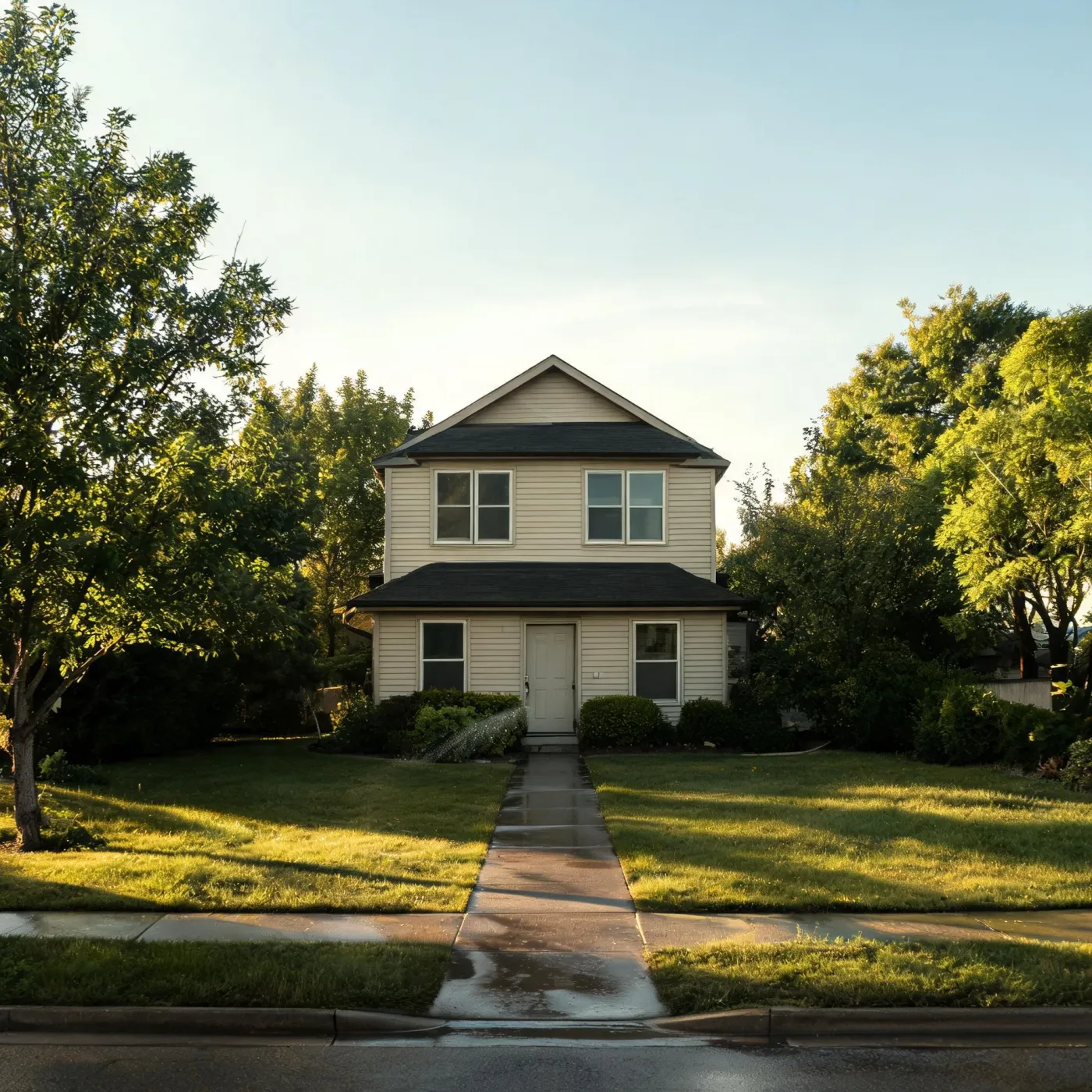
A single mini split head is sized to cool the room it sits in, not the whole house around it. That matters more here than it would somewhere dry. Summer dew points in Cass County average 66°F, according to NOAA climate data, which is the kind of air that sits heavy and doesn't let sweat evaporate off your skin. A one-head system can get that one room cold and still leave the rest of the house feeling damp and close, because the air isn't moving or getting pulled through the other rooms at all. If you're trying to cover more than one or two spaces, that's where a multi-zone setup earns its keep.
NASA POWER T2MDEW
How a Multi-Zone System Covers a House
- Each indoor head has its own thermostat sensor, so it only responds to the temperature in the room it's mounted in.
- The outdoor compressor is variable speed, ramping up or down to match the total load of every head connected to it.
- A single outdoor unit can run two to eight indoor heads, called a multi-zone system, each sized for its own room.
- Refrigerant lines run from the outdoor unit to each indoor head separately, which is why whole-house coverage means more than one head.
- Adding heads to cover more rooms means sizing the outdoor compressor for the combined load, not just the biggest room.
- A mini split moves heat rather than burning fuel to make it, which is why outdoor temperature affects how hard it has to work.
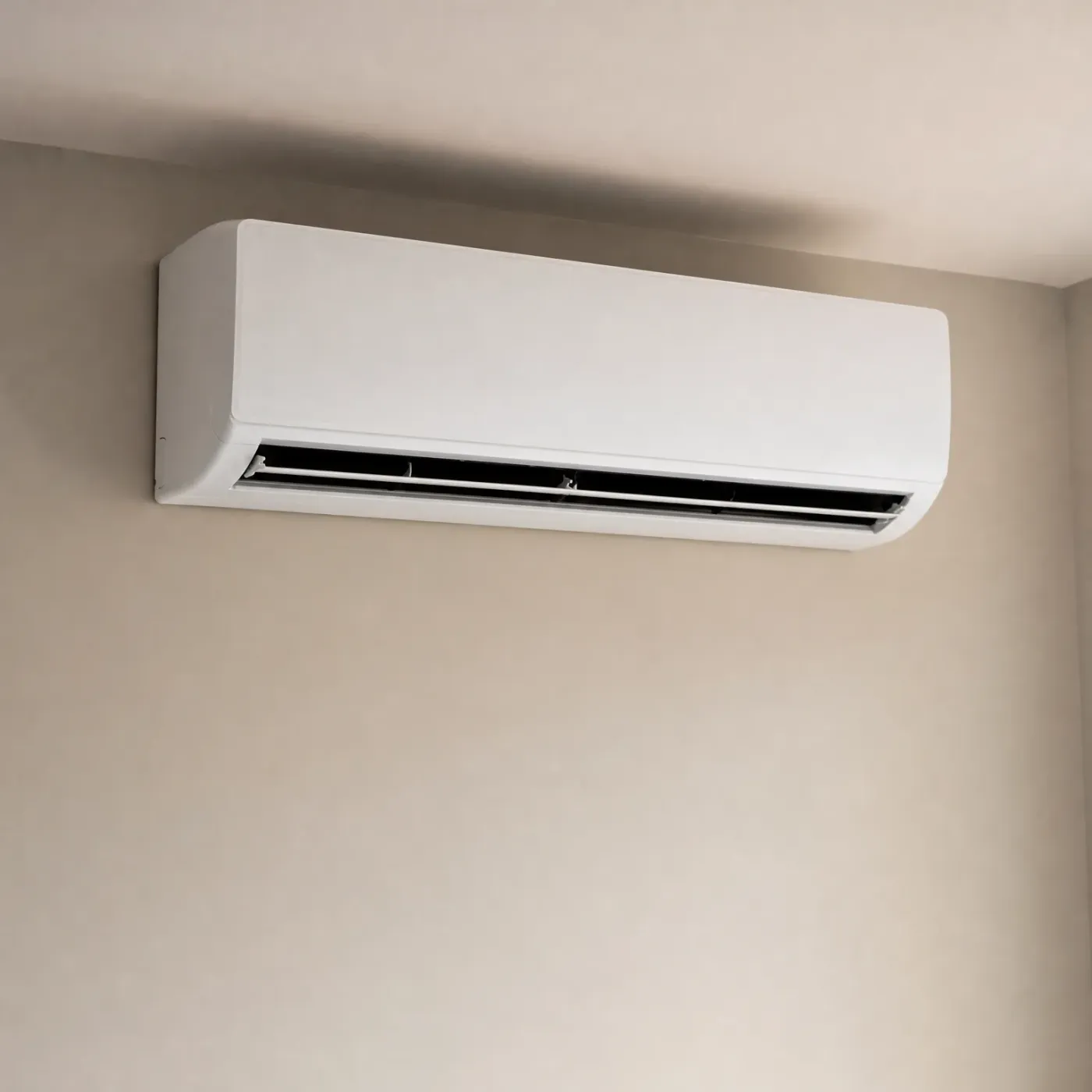
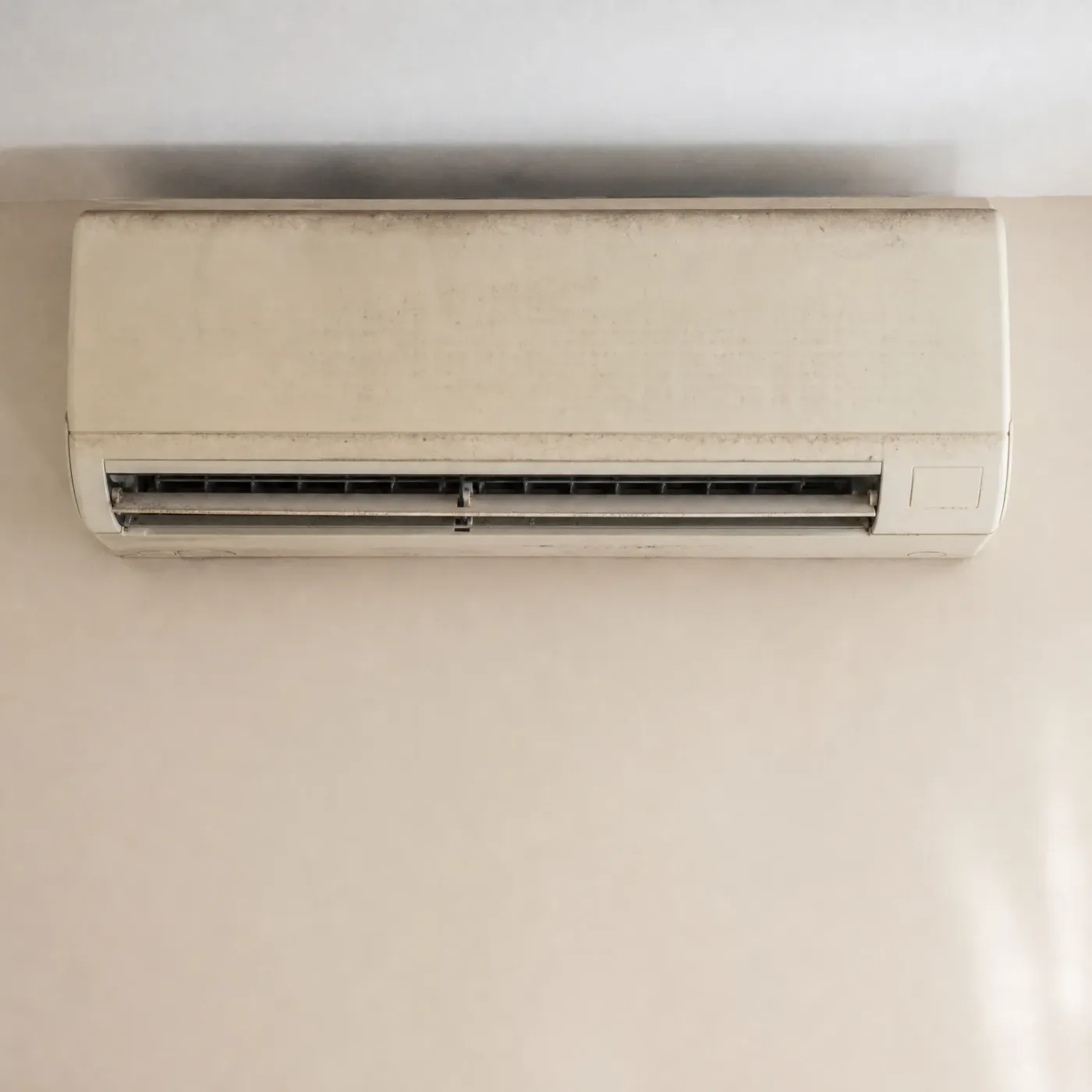
A mini split works by moving heat out of the house, not by burning anything to cool it, and that single fact explains most of what it can and can't do. One indoor head reads the air around it and tells the compressor outside how much work to do, but it only knows about its own room. If you want the bedrooms upstairs covered too, you need a head in each one, wired back to the same outdoor unit. That setup is called a multi-zone system, and a single compressor can run anywhere from two heads up to eight, depending on the model. Each head gets its own refrigerant line running out to the compressor, so three rooms means three lines, not one line split three ways. The compressor itself is variable speed, which means it doesn't just turn on and off like older AC units did. It ramps up when every zone is calling for cooling at once, on the hottest afternoons, and eases back when only one or two rooms need it. That's part of why sizing matters so much here. The outdoor unit has to be matched to the total load of every room it's feeding, not just the square footage of the biggest one. Undersize it and it struggles when Cass County humidity peaks and every zone is running. Oversize it and it cycles too fast to pull moisture out of the air properly. A contractor sizing a whole-house system is doing that math for every room, not just the one that's uncomfortable now.
It's off your list after this
A licensed installer who works in Cass County gets your project.
One request ends the search for a mini split installer.
Asking costs nothing, and the choice to hire stays yours.
What does a mini split actually cost you to run here?
Cooling runs May through September
Cooling only runs May through September, so a mini split carrying the whole house isn't working against the weather most of the year.
Heat runs October through April
Heat runs October through April, nearly twice as long as cooling, which is the stretch where an undersized system gets tested hardest.
Power here costs 13.08 cents per kilowatt-hour
At 13.08 cents per kilowatt-hour, running extra heads or a bigger outdoor unit to cover the whole house costs less here than in most places.
NOAA nClimDiv 1991-2020 · EIA-861 2025
What a single head leaves behind
If one indoor head is doing the work for the whole house, you already know which rooms lose. The bedrooms farthest from it run warm by July and stay that way into September. Doors get left open to push air down a hall, which only spreads the cooling thinner. A closed door, upstairs especially, usually means that room is on its own once the sun's been on the roof all afternoon. You can check this yourself with a thermometer in the room farthest from the head. If it's running five or more degrees warmer than the room the head is in, the system isn't undersized by a little, it's covering ground it was never set up to cover.
What it costs the equipment
A single head forced to cover square footage beyond its room runs longer to chase a setpoint it can't reach, and the compressor behind it ramps harder and more often to try. That shortens the life of a system built to cycle, not grind. It also means the room the head is actually in gets overcooled while you wait for the far end of the house to catch up, so the one space that should be comfortable ends up too cold just to keep pace. A house that needs whole-home coverage needs the heads and the outdoor unit sized for that from the start, not one head asked to do more than it was built for.
Cooling runs May through September
Five months is long enough that an undersized mini split shows its limits well before Labor Day. If you're set up with the right number of heads for the square footage, that stretch runs quiet. If not, you'll feel it in the back rooms by mid-June.
NOAA nClimDiv 1991-2020
One indoor head can carry a small, open layout if the doors stay open and the space is close to where it's mounted. Ask it to reach a split-level with bedrooms down the hall and it falls behind by July.
A multi-zone system gives every room its own head and its own thermostat, so the compressor is sized for the whole house from the start. That's what holds Raymore homes steady through a long, sticky summer.


A mini split can cool your whole house in Raymore, but only the version sized for it. One head in the living room will never reach the back bedrooms once July settles in. A multi-zone system, with a head in every room that needs one and an outdoor unit sized for all of them together, will. That's the difference between a system that struggles against a Cass County summer and one that was built for it from the start. A contractor who installs these every season in this area can walk your house, room by room, and tell you what it actually needs, then size the equipment to match rather than guess. You've got five months of real heat ahead most years. Whatever you decide, decide it with the layout of your own house in front of you, not a general idea of what a mini split can do.




Stop chasing a mini split pro
Getting this right comes down to sizing, room by room, against your layout, and that's a load calculation, not a guess. A local contractor who installs these every summer in Cass County knows how a split-level or a two-story here behaves once the dew point climbs, and sizes the outdoor unit and head count to match. Send the form and one licensed local contractor takes it from there, not a handful of companies competing for your callback.
One installer gets your project, so there's no bidding war over it.
No fee to send it, and nothing to sign.