
Running clean
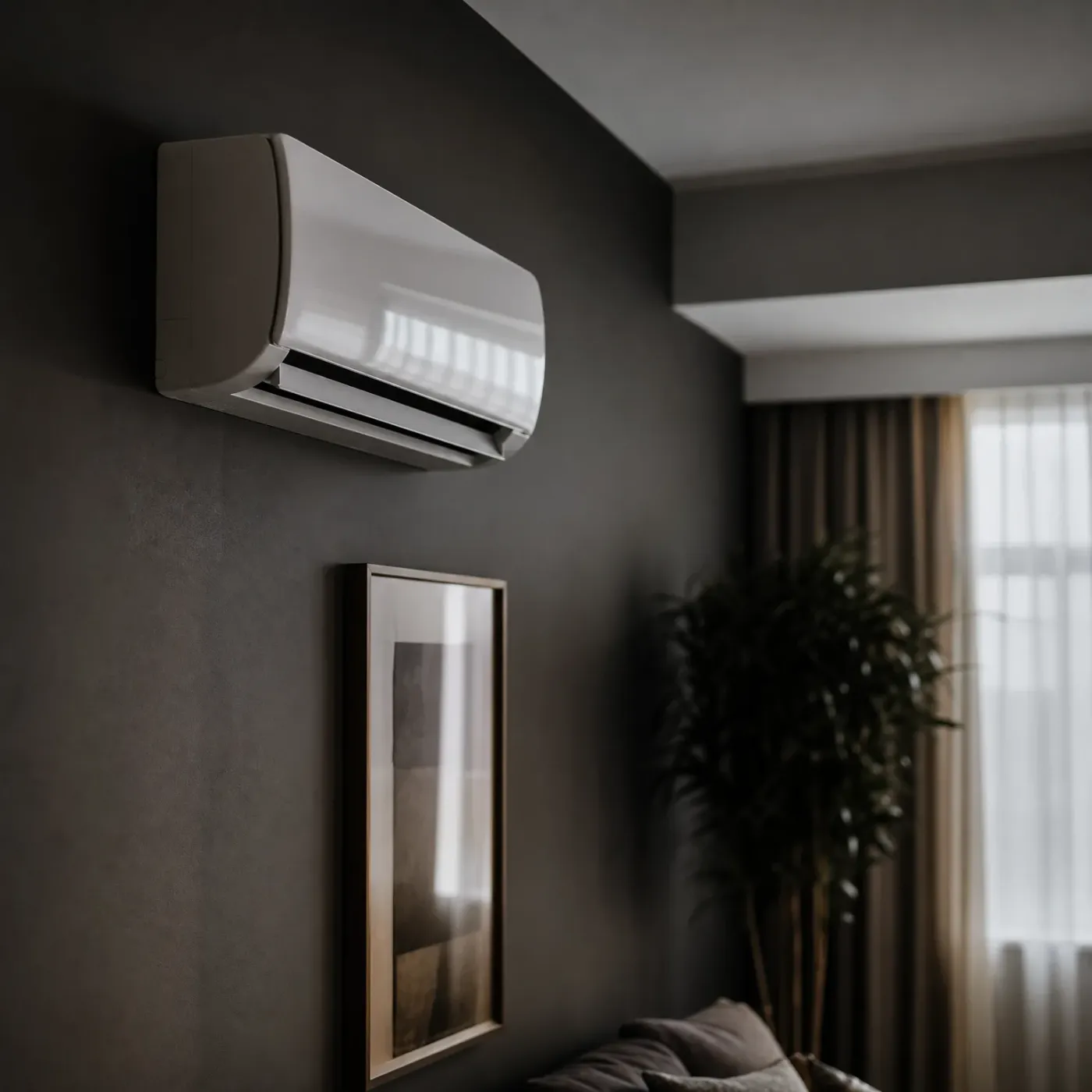
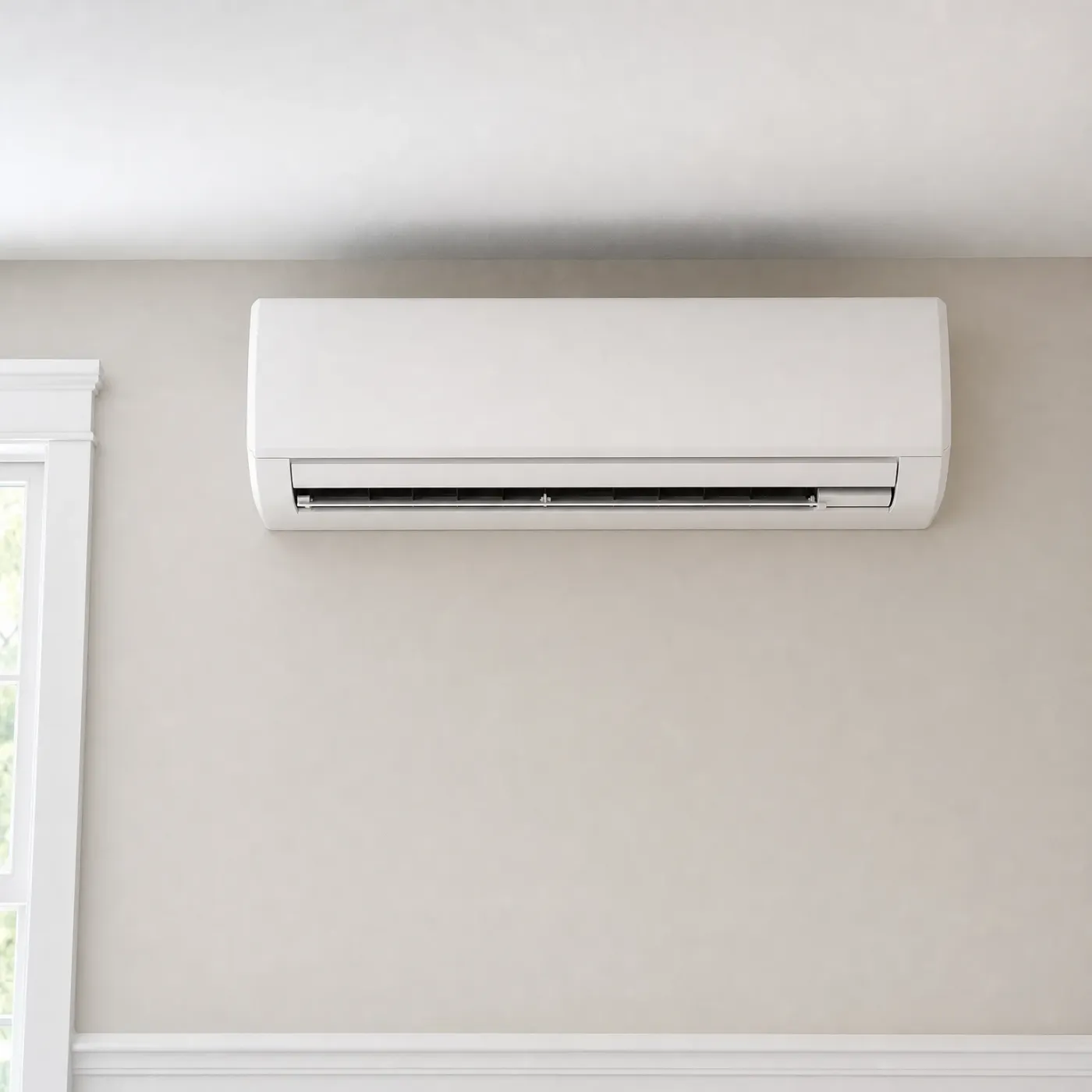
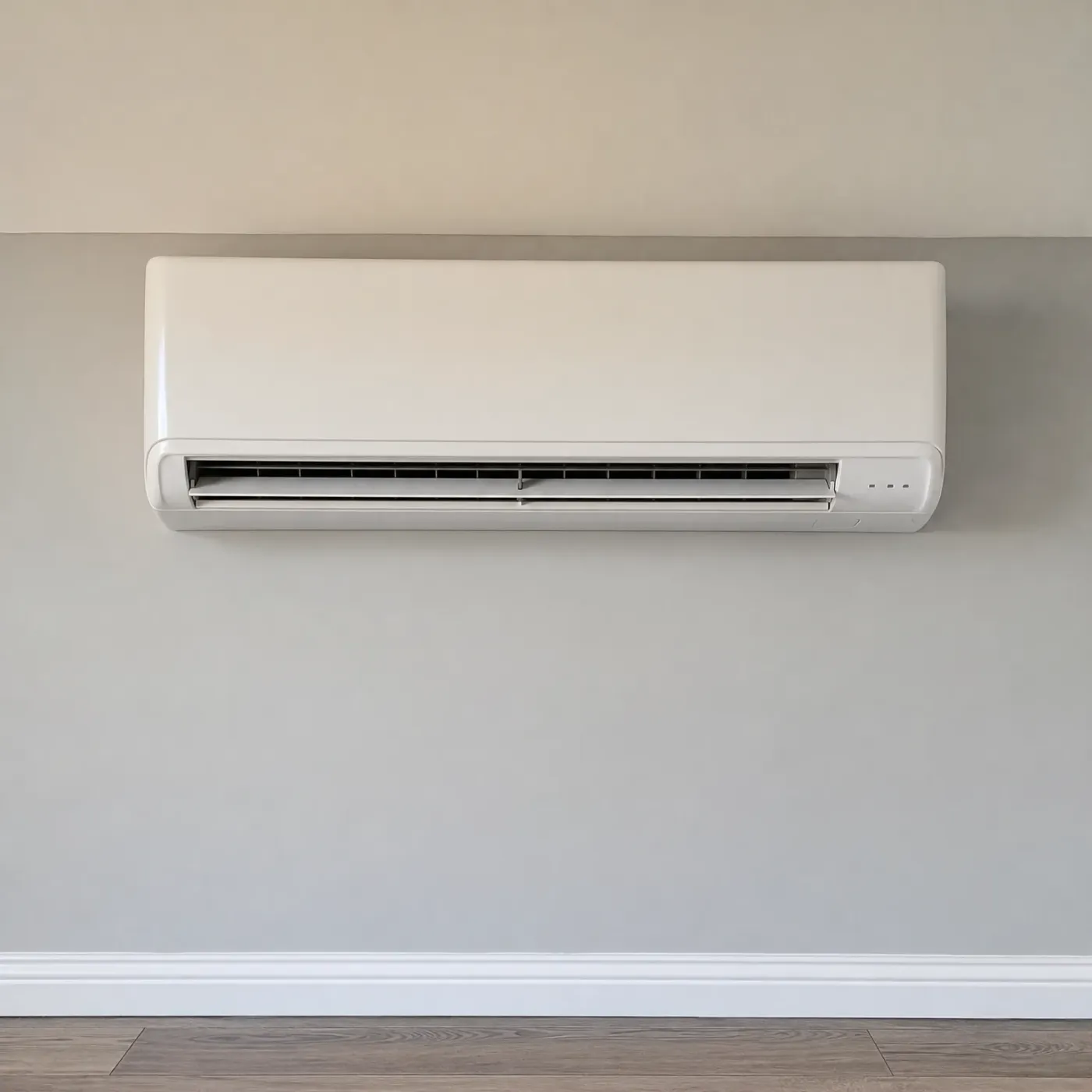
The indoor unit pulls air in, cools it, and pulls the moisture out of it before sending it back into the room. The front panel stays clear and the vents stay open, so the room gets the air it's rated for.
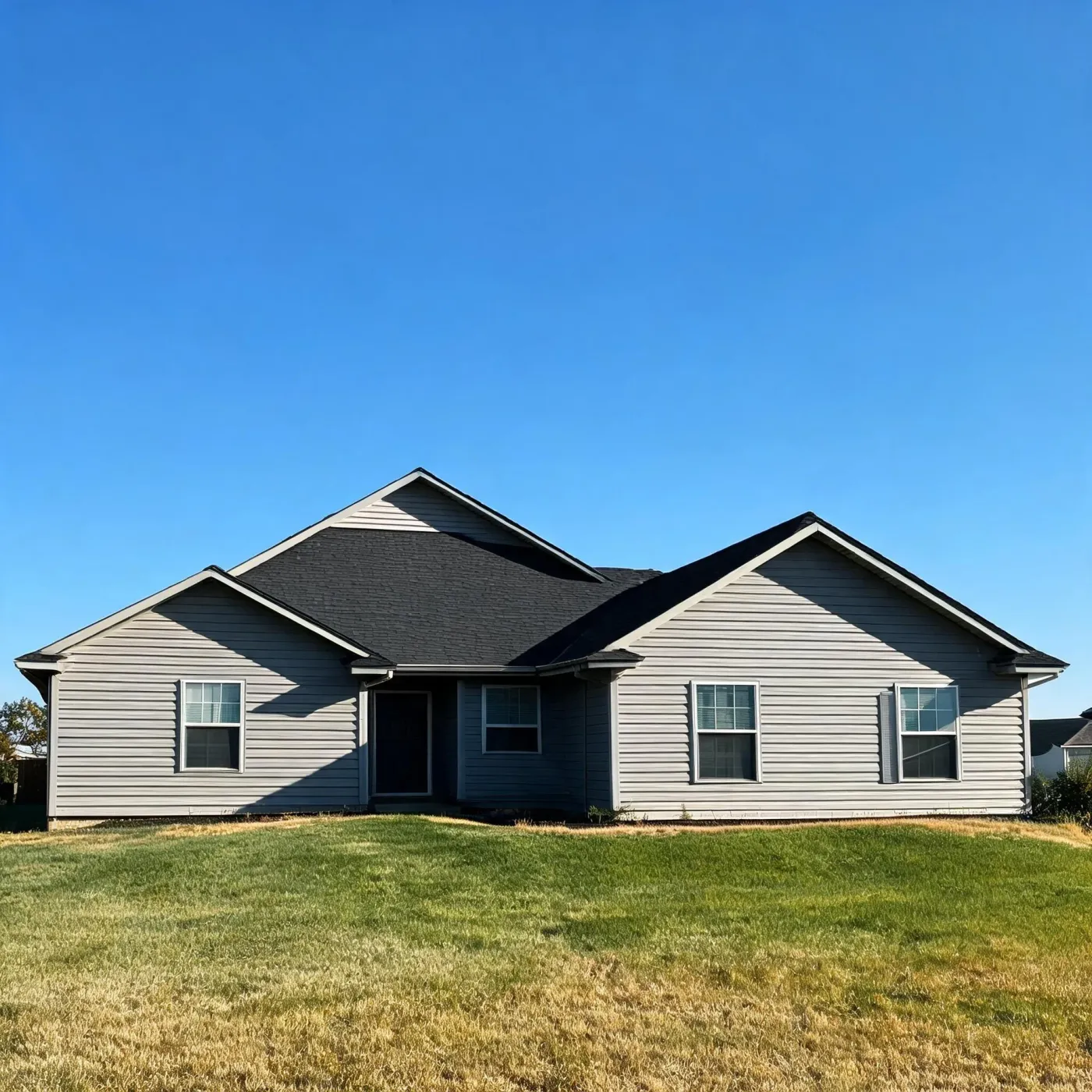
Get the right pro for your mini split
A mini split works alongside a gas furnace, not in place of it. It's a common setup here, adding cooling or backup heat to a room your ductwork doesn't reach well, without touching your gas line. What matters is sizing it right and placing the lines so it earns its keep in a Missouri summer. Answer a few questions and a contractor who installs these in homes like yours will reach out.
Request a proYou can add a mini split to a Missouri home that already heats with a gas furnace. It doesn't replace the furnace or touch the gas line. It runs on its own electrical circuit and handles one room or zone directly, which matters in a bonus room, a finished attic, or an addition that the furnace's ductwork never reached well. The furnace keeps heating the rest of the house as it always has. The mini split earns its keep in summer, when a room that runs hot gets its own dedicated cooling instead of fighting for airflow from a duct run that was never sized for it. Installation means mounting an indoor head, running refrigerant line to an outdoor unit, and wiring it in, work a licensed contractor sizes to the room rather than the whole house. Done right, it's a second system working next to the furnace, not a replacement for it.
Summer dew points here average 66°F through June, July and August, and that's the number that makes the air feel heavy even when the temperature itself isn't that high. A mini split pulls that moisture out of the room it serves as it cools, which is why a bonus room or finished attic can feel sticky under a window unit but dry and even under a mini split. You'll notice it most on the muggiest days, when the room stays comfortable without the clammy feel the rest of the house might still have. Sizing matters here. A unit too large for the room cools fast but cycles off before it's pulled the moisture down, leaving the air cold but still damp.
NASA POWER T2MDEW county cells weighted by homes




The outdoor condenser and the indoor air handler run on their own line, separate from the ductwork your furnace already uses. That line passes through one small hole in the wall, carrying refrigerant, the condensate drain, and the electrical wiring together as one wrapped bundle, so there's just the single penetration to deal with. Inside, the compressor is inverter-driven, which means it ramps up and down to hold the room at temperature rather than cycling fully off like a window unit would. Where the indoor head gets mounted matters more than people expect. It needs open air in front of it, so it goes high on a wall or up on the ceiling, clear of shelving or furniture that would block the throw across the room. On the outside, the condenser needs its own dedicated circuit, apart from whatever powers your furnace blower. And the condensate line needs to actually drain, either by sloping down the whole way or through a small pump, since the water pulled out of the air has to go somewhere once it leaves the coil.


A mini split earns its keep in the one room your furnace and central air never handled well. A bonus room over the garage, a converted porch, a finished attic, these are the spaces that sit unused half the year because they're miserable in August and no better in January. Once the indoor unit is up and running, that room joins the rest of the house as space you actually use.
You'll see it, though. The indoor head mounts high on a wall in that room, and it stays there year-round, not something tucked out of sight. Outside, the condenser needs its own patch of ground or wall space, clear of shrubs and foot traffic, which may mean rethinking where you park the trash cans or put a garden bed.
Running it changes your electric bill, not your gas bill. The furnace still handles the rest of the house the same way it always has. The mini split pulls its own power through July and August when it's cooling that room hard, and electricity here doesn't cost much, but a unit running most of the day for three months adds up on the meter.
One thing this setup skips: because the line never touches gas, there's no furnace permit or gas inspection to schedule. The paperwork involved is for the electrical circuit and the refrigerant lines, nothing tied to the furnace itself.
A contractor sizes the unit to the room it will serve.
The outdoor condenser gets set on a pad or wall bracket.
A hole is drilled through the wall for the line set.
The indoor air handler mounts to the wall or ceiling.
Send it once and finding someone is no longer on you.
A local installer who puts in mini splits gets your project.
You're not committing to anything by asking.
You've got a date in mind, maybe you're planning around a weekend or you want the bonus room ready before it gets muggy again. You want to know if this is a half-day job or something that ties up your house for a week.
A single-zone mini split, one outdoor condenser and one indoor air handler, is usually a one-day job. The time goes into drilling the wall for the line set, mounting the indoor unit, setting the outdoor condenser on its pad or bracket, running the electrical, and pulling a vacuum on the line before the system gets charged and tested. None of that touches your furnace or your gas line, so there's no part of the job that waits on those. If the room needs a dedicated electrical circuit run from the panel, or the condenser placement is tight against your lot line or siding, that can add time. A contractor walking the space beforehand will know which applies to yours.
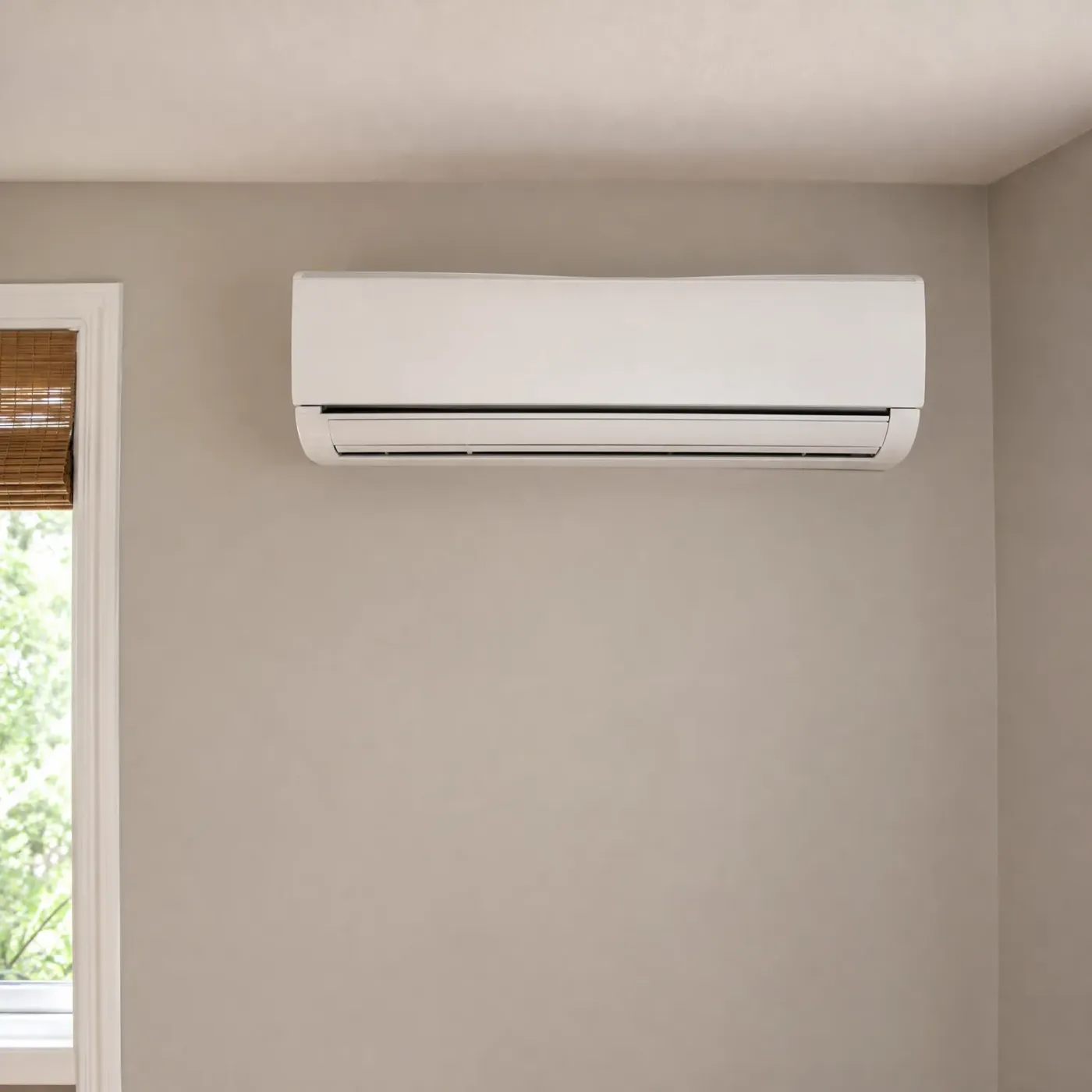
The indoor unit pulls air in, cools it, and pulls the moisture out of it before sending it back into the room. The front panel stays clear and the vents stay open, so the room gets the air it's rated for.
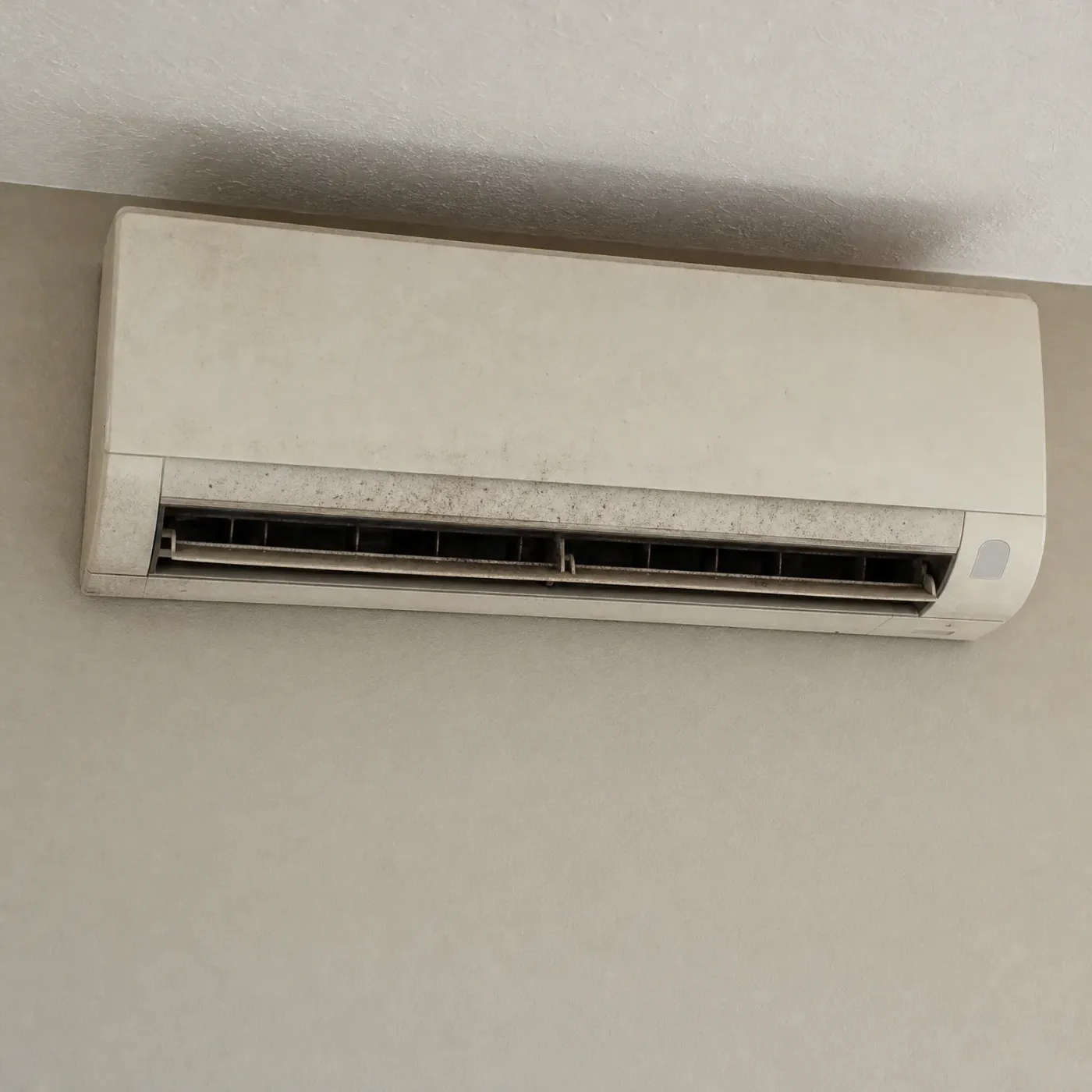
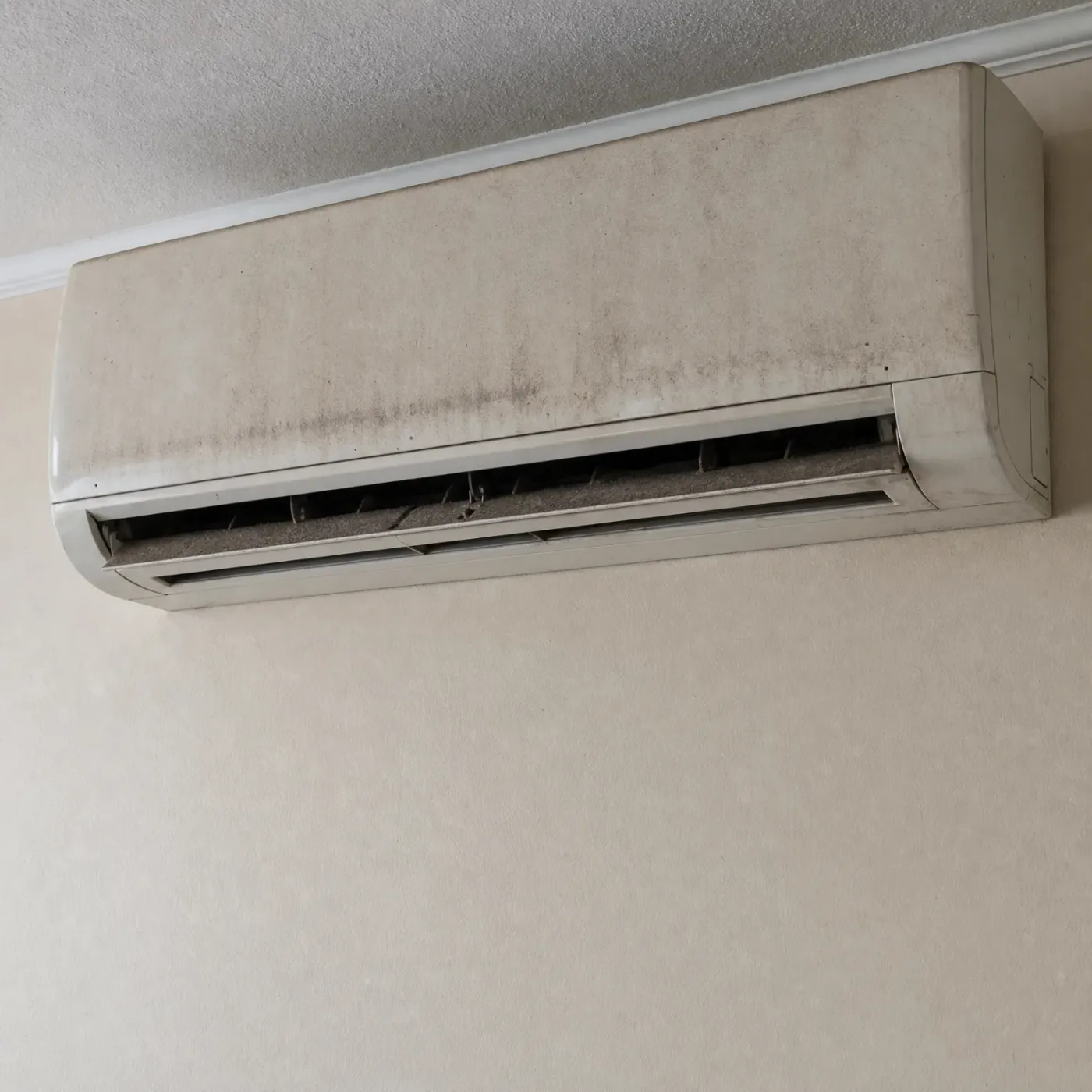
Dust builds up on the panel and the louvers, and it gets into the coil behind them. The unit still runs, but it's pushing air through grime instead of a clean coil, and the room stays warmer and stickier than it should.
A mini split runs on its own electric circuit, separate from the furnace. At 13.30 cents a kilowatt-hour, cooling one room this way costs less to think about than retrofitting ductwork, and you're only paying to condition the space it actually serves.
EIA-861 2025 statewide residential average
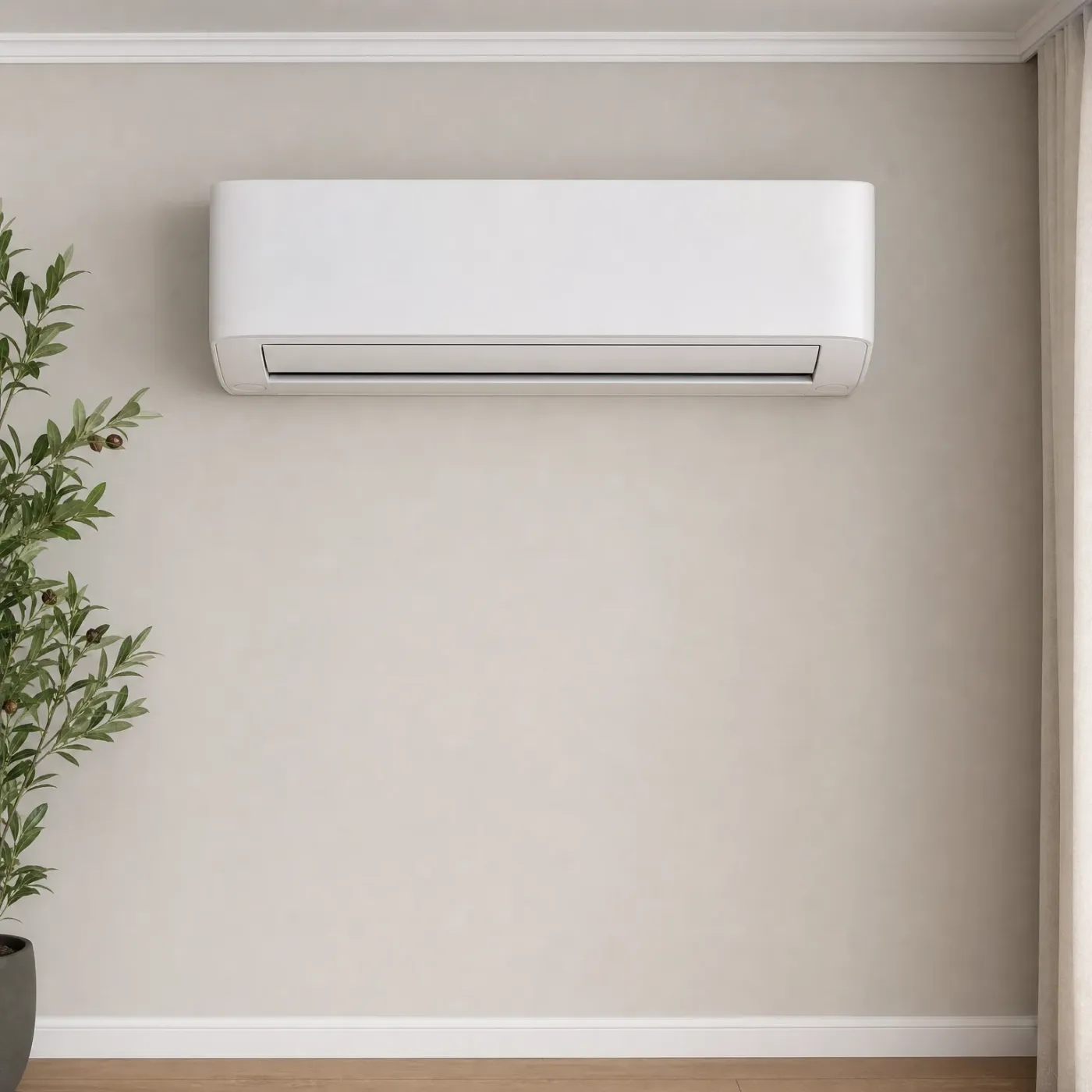
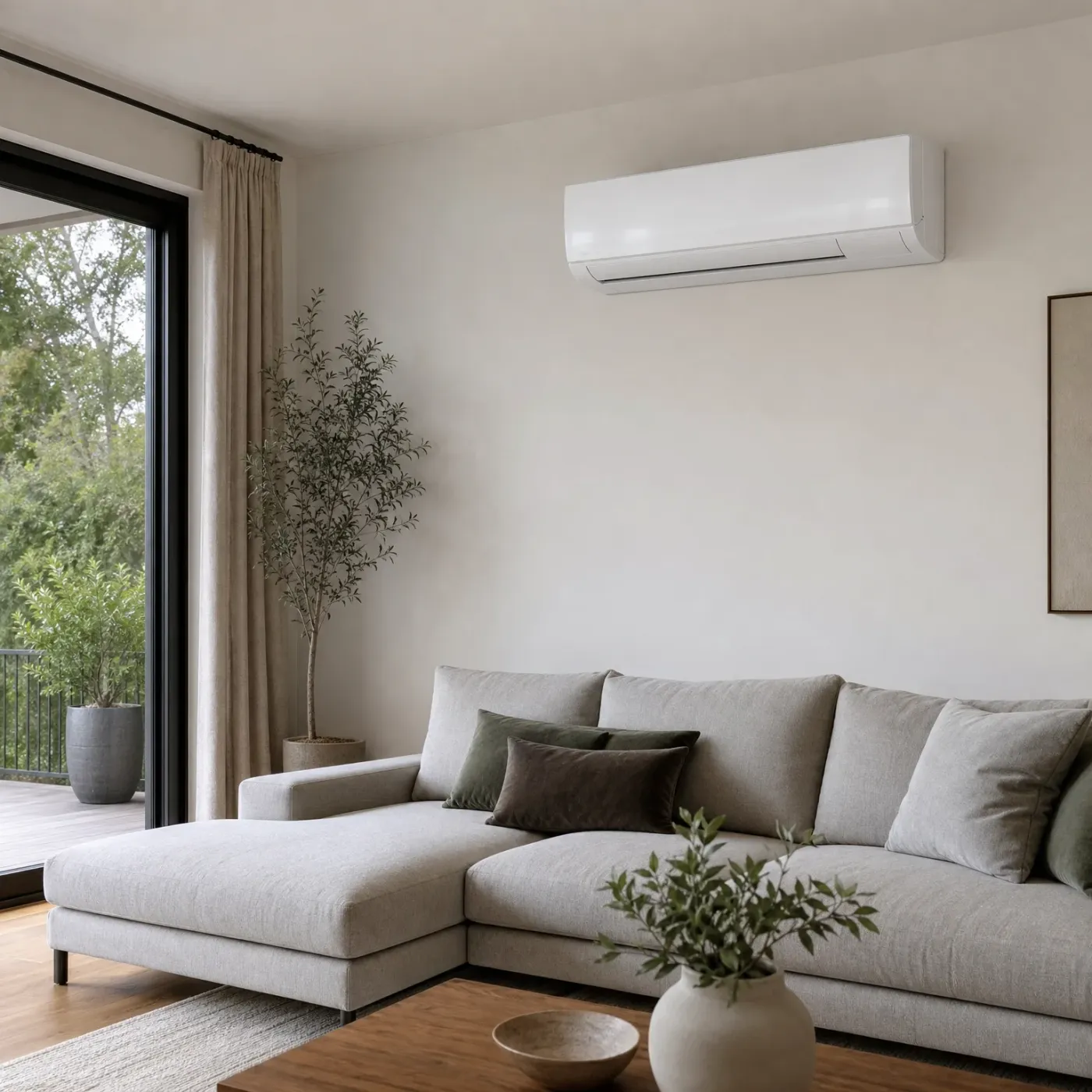
A mini split mounted high on the wall like this is pulling air in, cooling it, and sending it back out through clear vents. The plant and the curtain nearby tell you the room's air isn't getting pushed around hard enough to matter. That's what it should look like most of the year.
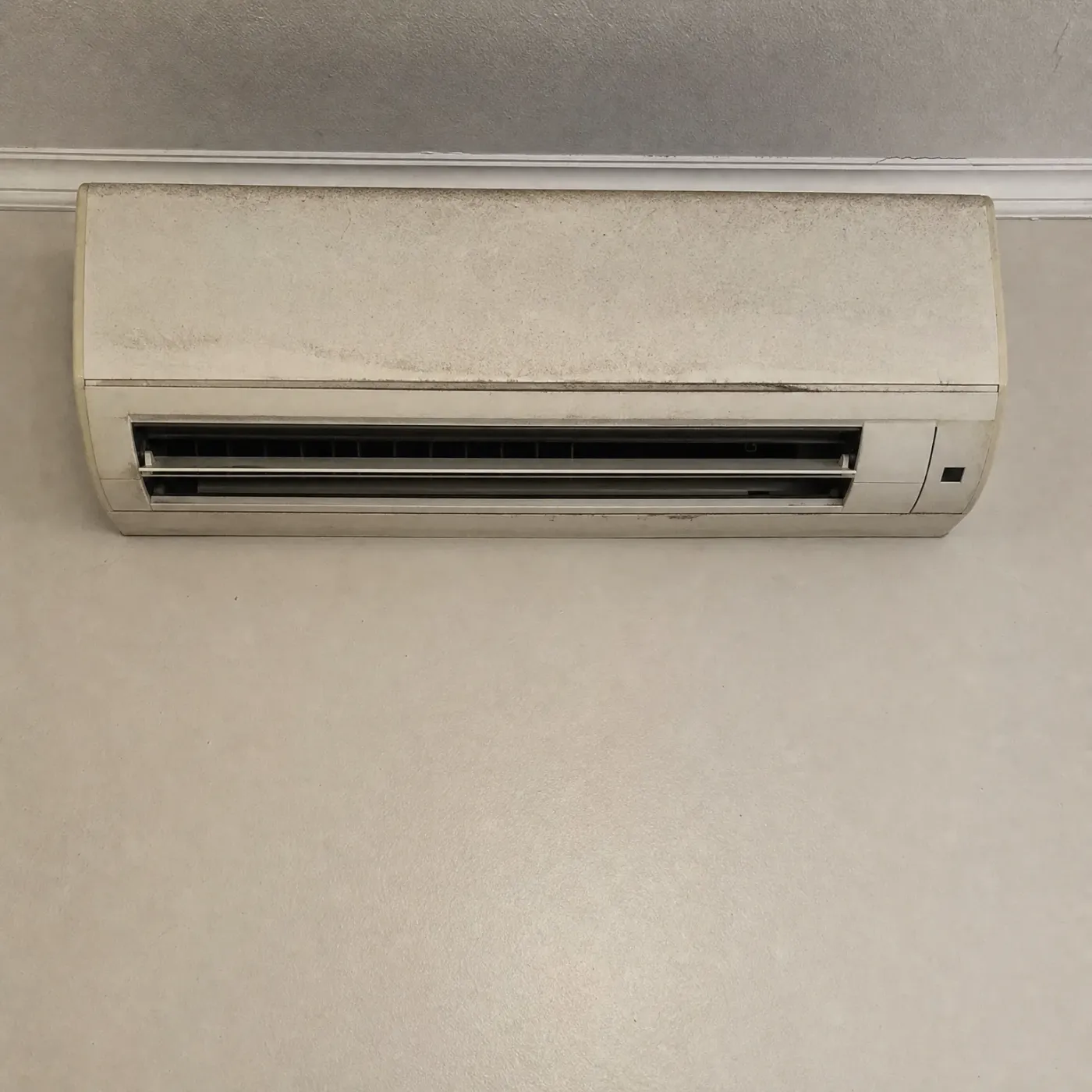
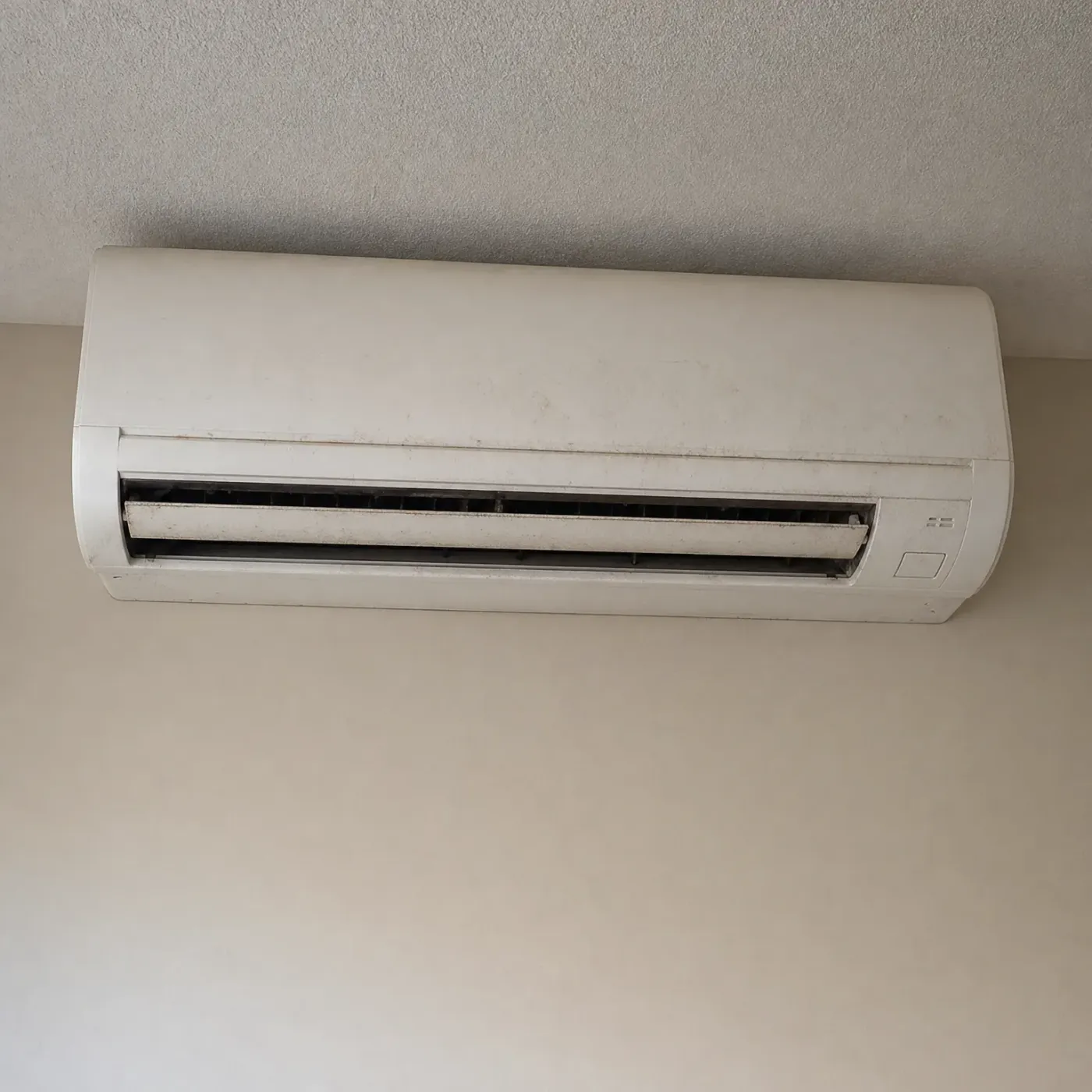
That gray film across the casing and vents is dust the filter stopped catching a while back. Air has to force its way through it now, so the coil behind it is working harder to pull the same heat and moisture out of the room. Left like this, the room stays warmer and stickier than it should.

A mini split adds cooling or backup heat to the one room your furnace and ductwork don't handle well. It runs on its own circuit, it leaves your gas line alone, and it only conditions the space it serves. Sizing it to the room and routing the line set through the wall is what makes it work the way it's supposed to, and that part is worth getting right the first time.
From here, the next step is getting matched with a contractor who installs mini splits in homes like yours and having them reach out to you directly. You won't need to track down who handles this kind of work or figure out the right questions to ask. That part is off your plate once you send the request.

Send the form and stop researching installers for the new mini split.